Skip to content

Category: Menu Guides

  • What Is Thai Rolled Ice Cream?

    What Is Thai Rolled Ice Cream?

    MENU GUIDES • 6 min read

    What Is Thai Rolled Ice Cream?

    Made to order on a freezing plate, scraped into rolls and stood upright in a cup — and denser than a scoop for a reason.

    Rolled ice cream served with toppings
    Quick answer

    Thai rolled ice cream is made to order on a freezing metal plate. A cream base is mixed with your chosen flavour, spread thin as it freezes, then scraped up into rolls. It is denser than scooped ice cream because almost no air is worked into it.

    Thai rolled ice cream is made to order on a freezing metal plate. A liquid cream base is poured on, mixed with whatever flavour you have chosen, spread thin as it freezes, then scraped up into rolls and stood upright in a cup. Nothing is scooped from a tub — the whole thing is built in front of you in a couple of minutes, and watching it happen is a fair part of the appeal.

    How it is made

    1. A cream base is poured onto a plate chilled well below freezing.
    2. Whatever you have picked — fruit, biscuit, chocolate — is chopped into the base directly on the plate.
    3. The mixture is spread out into a thin, even layer and left to set for a moment.
    4. It is scraped off the plate in strips, which curl into rolls as they lift.
    5. The rolls are stood upright in a cup and finished with toppings.

    The chopping step is what makes it different from ordering a flavour. Your mix-ins are worked into the base while it is still liquid, so the flavour runs through the whole thing rather than sitting in pockets.

    Why it tastes denser than a scoop

    Because it freezes fast and thin, very little air gets worked into it. Churned ice cream is aerated deliberately during freezing — the International Dairy Foods Association’s explanation of how ice cream is made describes the revolving blades that whip air cells into the mix as it freezes. Rolled ice cream skips that stage entirely.

    Less air means more ice cream by volume in the same cup, and a firmer, denser mouthfeel. It is the same reason gelato eats heavier than American-style ice cream despite usually having less fat in it.

    Rolled ice cream and scooped ice cream compared
    RolledScooped
    MadeTo order, in front of youIn advance, stored in a tub
    TextureDense, very little airSofter, lighter, aerated
    Mix-insChopped into the base as it freezesFolded in beforehand
    WaitA few minutesImmediate
    Holds upBest eaten straight awaySlightly more forgiving

    Where it comes from

    The technique is Thai street food in origin, where it goes by i-tim pad — stir-fried ice cream — and is made on a cold plate at the front of a stall. It spread well beyond Thailand through the 2010s, and the reason is not subtle: the making of it films well. A dessert you watch being built travels further than one handed over a counter.

    What survived the export is the method rather than the flavours. Thai stalls lean on tropical fruit and condensed milk; menus elsewhere, ours included, run much wider than that.

    What the flavours actually are

    Ours run to ten, and the names give away less than the mixers do. What is actually blended into the base:

    The ten flavours and what goes into them
    FlavourMixed into the baseFinished with
    Strawberry LadyStrawberryStrawberry, whipped cream, chocolate pocky, strawberry syrup
    Evil BerryBlueberry and strawberryBlueberry, strawberry, whipped cream, strawberry syrup
    Mango TangoMangoMango, whipped cream
    Hawaiian GroovePineapple and caramelPineapple, whipped cream, strawberry pocky
    Oreo’s SecretOreoOreo, whipped cream, chocolate pocky
    S’Mores GaloreGraham and chocolate syrupMarshmallow, graham, whipped cream, chocolate syrup
    Chunky Chocolate ChipCookie doughCookie dough, chocolate chips, whipped cream, chocolate syrup
    Monkey BusinessBanana and NutellaBanana, caramel, whipped cream, chocolate pocky
    Green GiantGreen tea matchaMarshmallow, whipped cream, chocolate pocky
    Morning LatteCoffeeChocolate chips, whipped cream, condensed milk

    Four of the ten are fruit-led, which makes them the safe pick if you are ordering for someone undecided. The biscuit and chocolate group — Oreo’s Secret, S’Mores Galore, Chunky Chocolate Chip — is the heaviest, and the one to skip after a large meal. Green Giant and Morning Latte divide opinion the most, which is exactly what makes them the interesting order if you already know you like matcha or coffee.
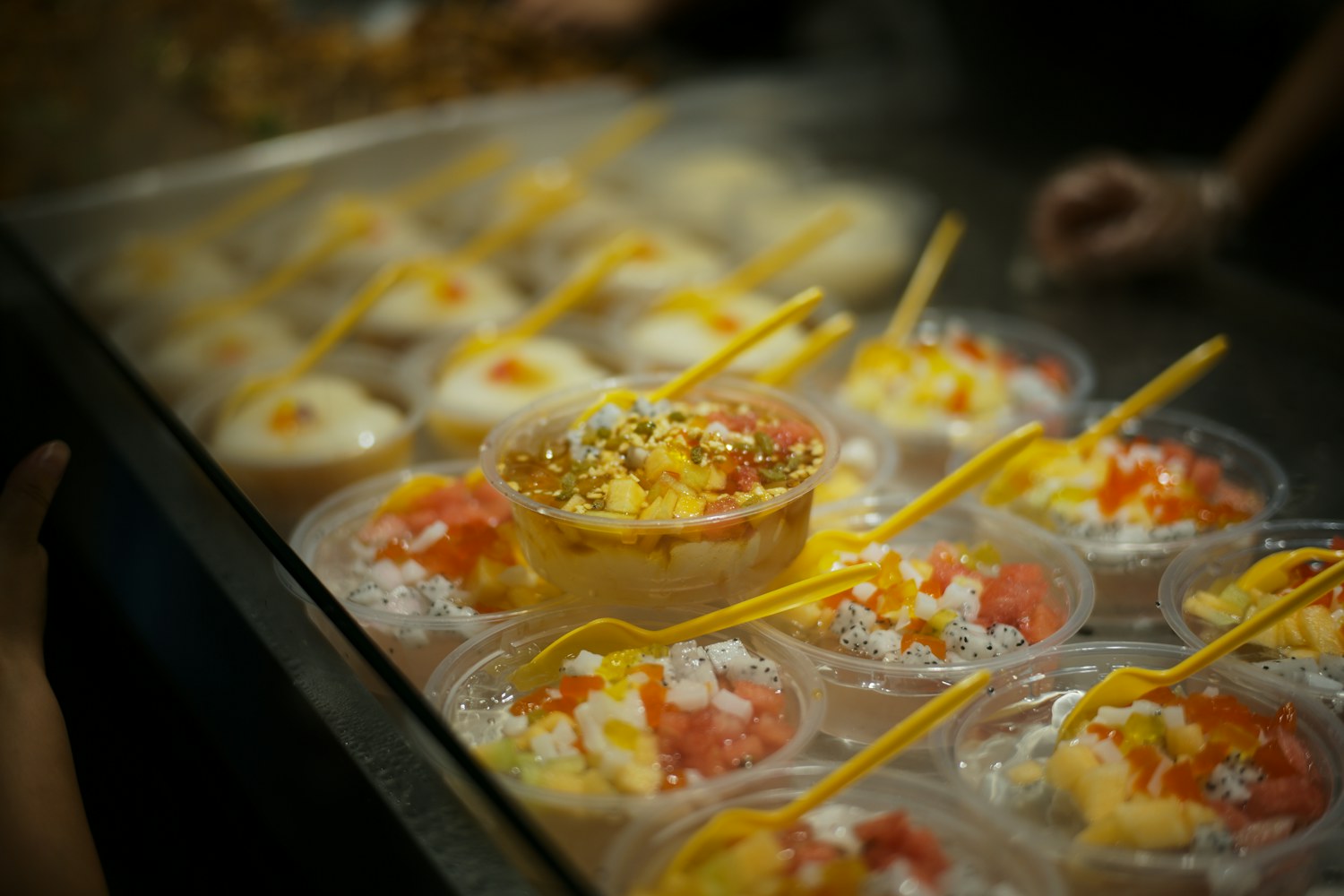
    Rolled ice cream in a cup with fruit topping
    Denser than a scoop, because so little air is worked into it.

    How it is served

    Rolls stand upright in the cup rather than lying flat, which is what makes the format recognisable. Toppings go on at the end, on top of and between the rolls, so they stay distinct instead of being buried.

    Eat from the top down and take a roll at a time. Digging in from the side collapses the arrangement in one go — which changes nothing about the taste, but it is a dessert that is partly about how it looks.

    Philly tip

    Ordering it at the end of a meal? Ask for it after the plates go rather than with them. Rolled ice cream is made fresh and starts softening the moment it leaves the plate, so a five-minute wait on the table costs you the texture you paid for.

    Taking it home

    This is the one dessert on the menu that does not travel especially well, and it is worth being honest about why. It leaves the plate at its firmest and starts softening immediately. There is no freezer stage afterwards to hold it there, and the rolls are thin, so they lose their shape faster than a scoop would.

    None of which means you cannot take it home — it just means the clock is running:

    • Order it last, so it spends the least time waiting with the rest of the bag
    • Keep it upright — on its side, the rolls slump into each other
    • Ask for toppings on the side if the drive is more than a few minutes
    • Eat it before anything else once you are home, not after

    If you are more than about fifteen minutes away, it is genuinely better eaten in. That is not upselling a table — it is a texture that exists for a narrow window, and outside that window you are eating a cup of soft ice cream with the same flavour in it.

    Ordering it as dessert

    It takes a few minutes longer than a dessert pulled out of a freezer, because each order is made from liquid on the plate. Worth knowing if you are eating with a group — put the order in when the mains are being cleared, not when the bill arrives.

    It works particularly well after something hot and heavily sauced. Cold, dense and sweet against warm and spiced is exactly the right counterweight, which is why it lands better after wings than after almost anything else on our menu.
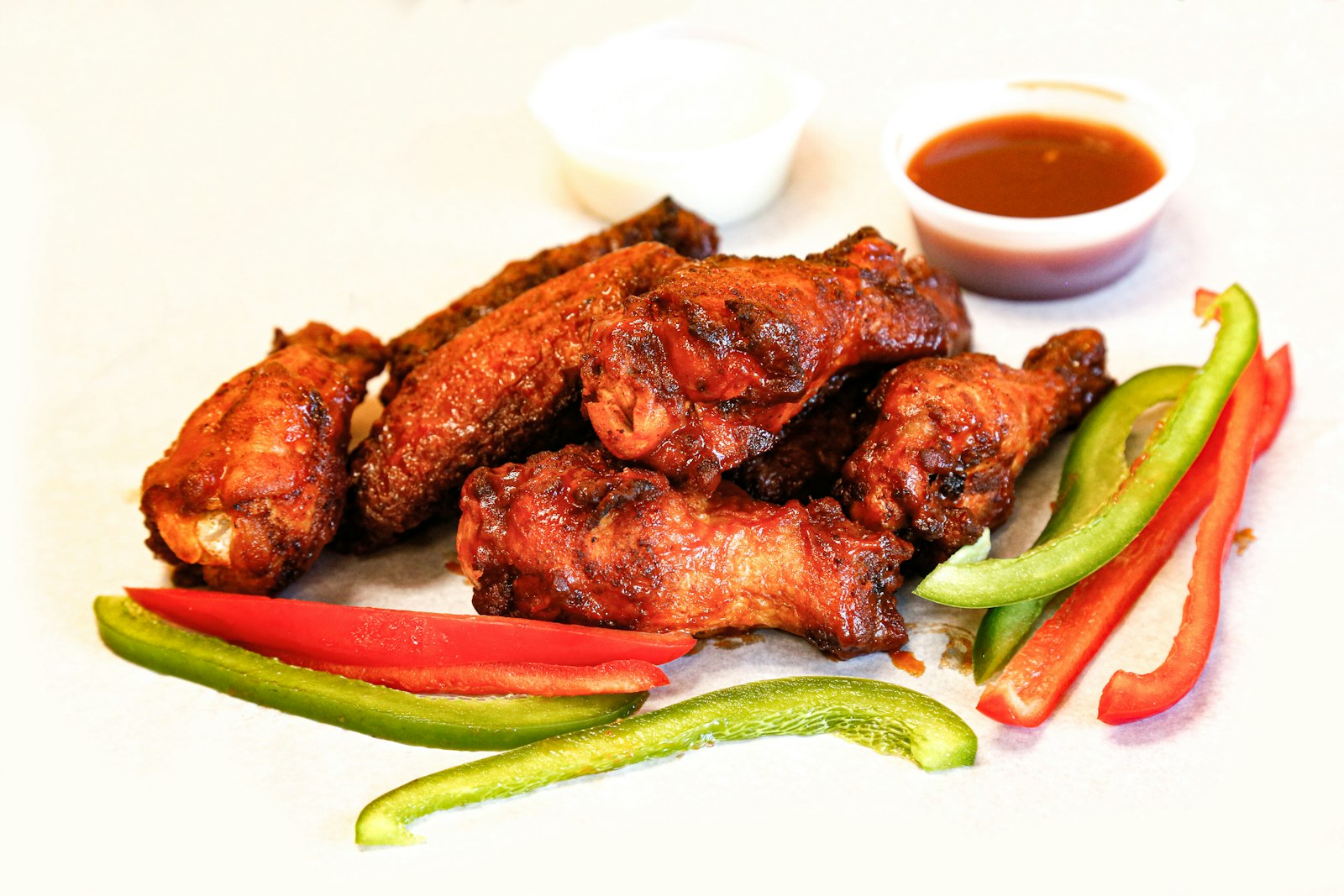
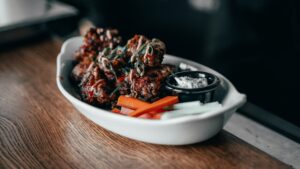
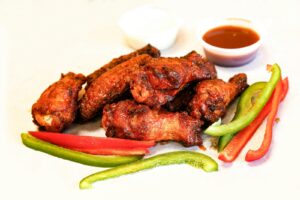
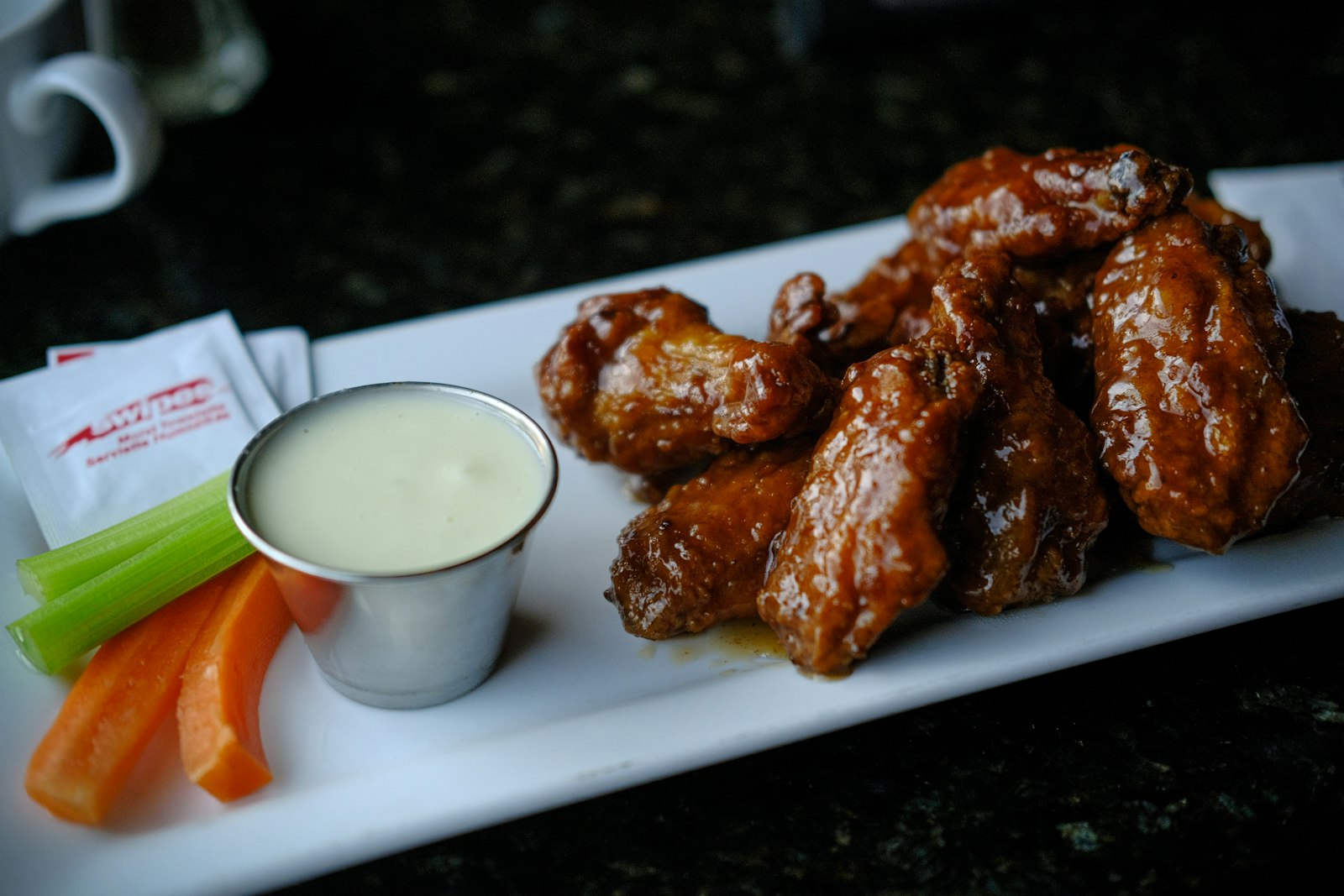
    Chicken wings coated in hot sauce
    Cold and dense after hot and sauced — the reason it works after wings.

    If you are still building the rest of the order, our guide to wing sides covers what comes before it, and the Thai rolled ice cream menu has all ten flavours.

    Cold fountain drinks in cups
    Something cold alongside, rather than something hot, keeps the texture.

    Ten flavours, made to order

    Fruit, biscuit, chocolate, tea and coffee — each one rolled on the plate after you order it.

    Frequently asked questions

    What is Thai rolled ice cream made from?

    A liquid cream base frozen on a cold plate, with your chosen mix-ins chopped into it as it sets, then scraped up into rolls.

    Is rolled ice cream different from normal ice cream?

    It is denser. Freezing it thin and fast works far less air into it than churning does, so there is more ice cream in the same cup.

    How long does it take to make?

    A few minutes per order, since each one is made on the plate rather than scooped from a tub.

    Which flavour should I try first?

    The fruit flavours are the safest starting point. The tea and coffee ones divide opinion the most.

    Why is it called rolled ice cream?

    Because it is scraped off the freezing plate in thin strips that curl into rolls, which are then stood upright in the cup.

    Philly Steak & Wings

    We serve made-to-order cheesesteaks, wings, burgers, po’boys, gyros and seafood on US Highway 98 North in Lakeland, Florida — seven days a week.

    View Our Menu

    Hungry after all that reading?
    Make it a Philly favorite.

  • Seafood Boils Explained: How to Build Your Own

    Seafood Boils Explained: How to Build Your Own

    MENU GUIDES • 6 min read

    Seafood Boils Explained

    Pick the seafood, the seasoning and the heat. How the build-your-own combo works, how much to order, and when to take the combo instead.

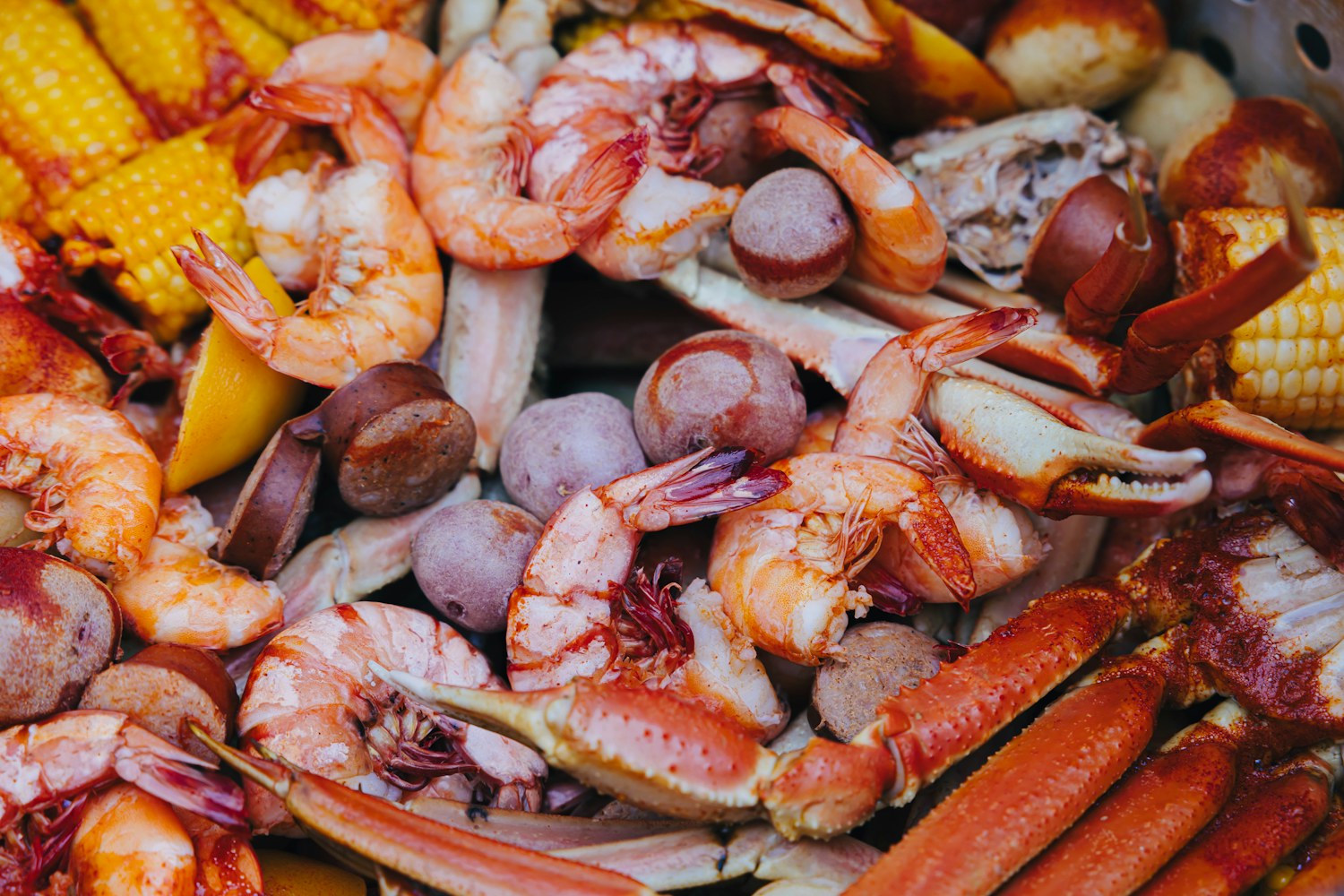
    Seafood boil with crab legs, shrimp, corn and potatoes
    Quick answer

    A seafood boil is shellfish cooked in seasoned water and served in a bag so the seasoning keeps coating it. You choose the seafood by weight, the seasoning and the spice level separately; corn and potatoes come with it.

    A seafood boil is shellfish cooked in seasoned water, drained, and served in a bag so the seasoning keeps working on it while you eat. It is communal, hands-on, and priced by weight rather than by dish: you choose the seafood, the seasoning and how hot you want it, and it comes to the table with corn and potatoes already in the bag.

    If you have only ever ordered fried seafood, the format takes a moment to get used to. It is worth it — a boil is the one order on the menu that a whole table eats from at once.

    How building your own works

    Three decisions, in this order:

    1. Pick the seafood. Shrimp without the head, snow crab legs, crawfish, green mussels, black mussels or lobster tail — a minimum of two items. Most come by the half-pound or the pound; lobster is by the tail.
    2. Pick the seasoning. You choose which one the kitchen tosses it in once it comes out of the water.
    3. Pick the spice level. Chosen separately from the seasoning, so you can have the flavour you want at a heat you can actually handle.

    Corn and potatoes come with it. That is worth factoring in before you order a second pound of anything, because they fill more of the bag than people expect.

    What each option is actually like

    The choice is less about flavour than about how much work you are willing to do at the table:

    Choosing what goes in the bag
    ChoiceEats likeWork involvedGood for
    Shrimp (no head)Sweet, quick to eatLowA first boil, or feeding kids
    Snow crab legsRich, sweet, worth the effortHighThe centrepiece of a shared order
    CrawfishSmall, intensely seasonedHighEating slowly, in company
    Green musselsLarger, mildLowBulking out a mixed bag
    Black musselsSmaller, brinierLowMore seafood flavour per piece
    Lobster tailFirm and sweetLowOne showpiece item in a shared boil

    Snow crab is the one most people build the order around. NOAA’s FishWatch profile for snow crab is a useful read if you want to know what you are eating — it is a cold-water species, which is why the meat is sweeter and finer than the crab most people meet in a dip.

    How much to order

    Weight is misleading with shellfish, because so much of what you are paying for by the pound is shell. As a rough guide for one adult eating a boil as a meal rather than as a starter:

    • Shrimp — half a pound is a light meal, a pound is a full one
    • Snow crab — a pound eats like far less once the shell is off
    • Crawfish — a pound is a starter portion, not a meal
    • Mussels — filling, and the cheapest way to add volume to a bag
    • Lobster tail — one per person is plenty alongside anything else

    Mixing two or three items beats going deep on one. A pound of shrimp and a pound of crab feeds two people better than two pounds of either, and it gives the seasoning more to cling to.

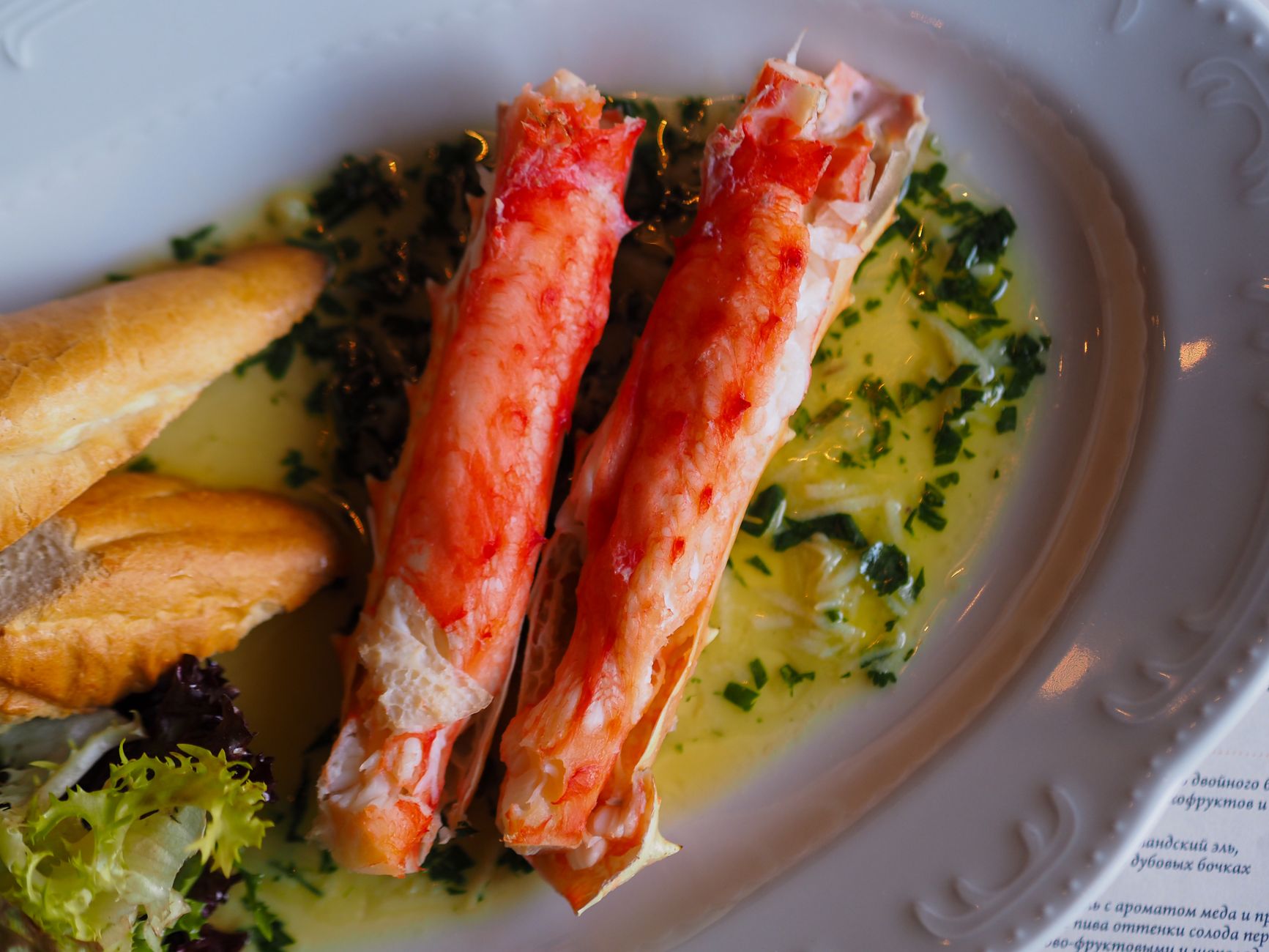
    Snow crab legs served on a platter
    Crab is the item most worth sharing — high effort, high reward.

    Seasoning and spice level, explained

    These are two separate choices and it is worth understanding why. The seasoning determines what the boil tastes of. The spice level determines how hot it is. Keeping them apart means you are not forced to pick between a flavour you like and a heat you can manage — which is exactly what happens on menus that bundle the two together.

    If you are ordering for a mixed table, order the heat for the least heat-tolerant person there. Seasoning coats everything in a shared bag, so there is no picking around it once it arrives, and there is no way to take it back down.

    Philly tip

    Ordering a boil to take home? Choose the spice level one notch below what you would normally pick. The seasoning keeps working on the seafood in a closed bag on the drive back, and it lands hotter at your table than it did in the kitchen.

    Combos, if you would rather not choose

    Building your own is the point of a boil, but it is not always what you want on a Friday night with a table of six. There are ready-made combinations for exactly that, and they add two things the build-your-own list does not carry — sausage, and eggs in the family sizes.

    What is in each ready-made combo
    ComboSeafoodAlso in the bag
    Special Combo ASnow crab, shrimp (no head), green mussels, crawfishSausage, 2 corn, 2 potatoes
    Special Combo BSnow crab, shrimp (no head), lobster tail2 corn, 2 potatoes
    Crazy Family Catch (S)Snow crab, shrimp, green and black mussels, crawfish, lobster tailSausage, 2 eggs, 2 corn, 2 potatoes
    Crazy Family Catch (L)Snow crab, shrimp, green and black mussels, crawfish, lobster tailSausage, 4 eggs, 4 corn, 4 potatoes

    Combo B is the one to take if the table does not want to work for its food — crab, shrimp and lobster, nothing that needs picking apart. The Crazy Family Catch combos are the opposite: everything on the list, sized for a group, and an evening rather than a meal.

    The rule of thumb: order a combo when you are feeding a group, build your own when you know what you like or you are eating alone.

    Eating one without making a mess of it

    There is no elegant way to do this, and that is rather the point. A few things genuinely help:

    • Open the bag into a bowl rather than eating straight out of it
    • Do the crab first, while your hands are still clean enough to work with
    • Keep the corn and potatoes for last — they soak up what is in the bag
    • Order drinks before the food arrives, not during
    • Do not wear anything you would be upset about
    Cold fountain drinks in cups
    Get the drinks in first — you will not want to handle a cup halfway through.

    On leftovers: shellfish is one of the foods worth being careful with once cooked, and a boil comes with sauce and seasoning that hold heat and moisture. The FDA’s guidance on serving seafood safely is the reference worth having if you are taking half of it home.

    If a boil is not what you want

    Fried seafood is the simpler order — shrimp, fish and combination baskets, none of which need a bib or a bowl. It is the better choice if you are eating at your desk, feeding someone in a hurry, or you just do not want to work for it.

    The seafood combo menu has the build-your-own options and the ready-made combos, and the appetizers menu covers the fried side. There is also a shrimp po’boy if you want the same seafood in sandwich form — our guide to what makes a sandwich a po’boy covers how that one is built.

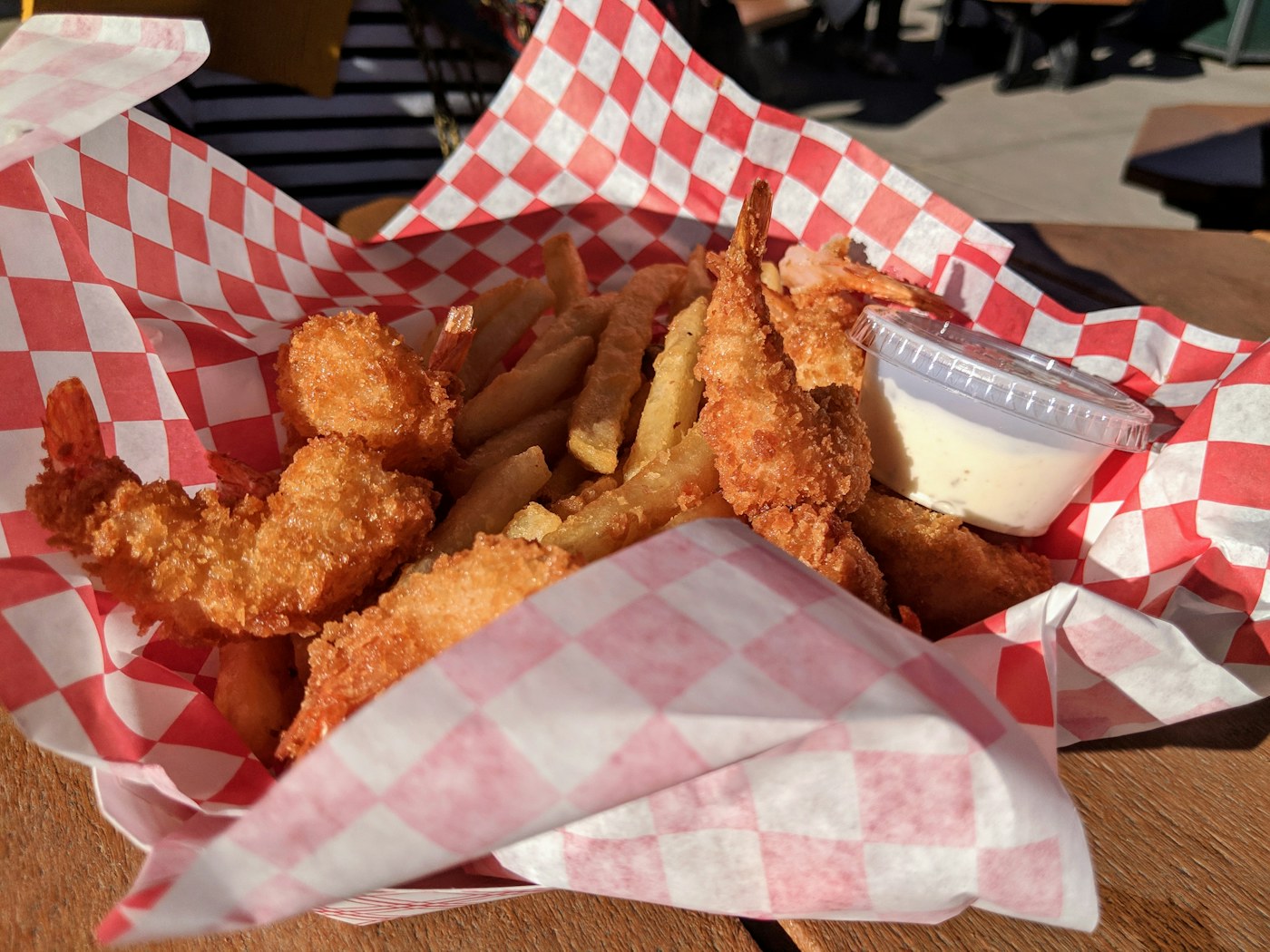
    Basket of golden fried shrimp
    Fried baskets are the low-effort alternative to a boil.

    Build your own, or take a combo

    Shrimp, snow crab, crawfish, mussels and lobster tail — by the half-pound or the pound, with corn and potatoes.

    Frequently asked questions

    What comes with a seafood boil?

    Corn and potatoes, plus your choice of seasoning and spice level. The seafood itself is chosen separately, by weight.

    How much seafood should I order per person?

    About a pound for one adult eating it as a meal, though crab and crawfish eat like less than that because of the shell.

    Can you choose how spicy a boil is?

    Yes. The seasoning and the spice level are two separate choices, so you can have the flavour you want at a heat you can handle.

    What is the easiest seafood to start with?

    Shrimp without the head. It needs the least work and eats quickly.

    Is there an option for a group?

    Yes — there are two Special Combos and a Crazy Family Catch Combo in small and large, built to be shared.

    Philly Steak & Wings

    We serve made-to-order cheesesteaks, wings, burgers, po’boys, gyros and seafood on US Highway 98 North in Lakeland, Florida — seven days a week.

    View Our Menu

    Hungry after all that reading?
    Make it a Philly favorite.

  • What Is a Gyro?

    What Is a Gyro?

    MENU GUIDES • 5 min read

    What Is a Gyro?

    Thin-sliced meat, raw salad and a cool sauce in soft flatbread — and how it differs from the sandwiches sitting next to it on the menu.

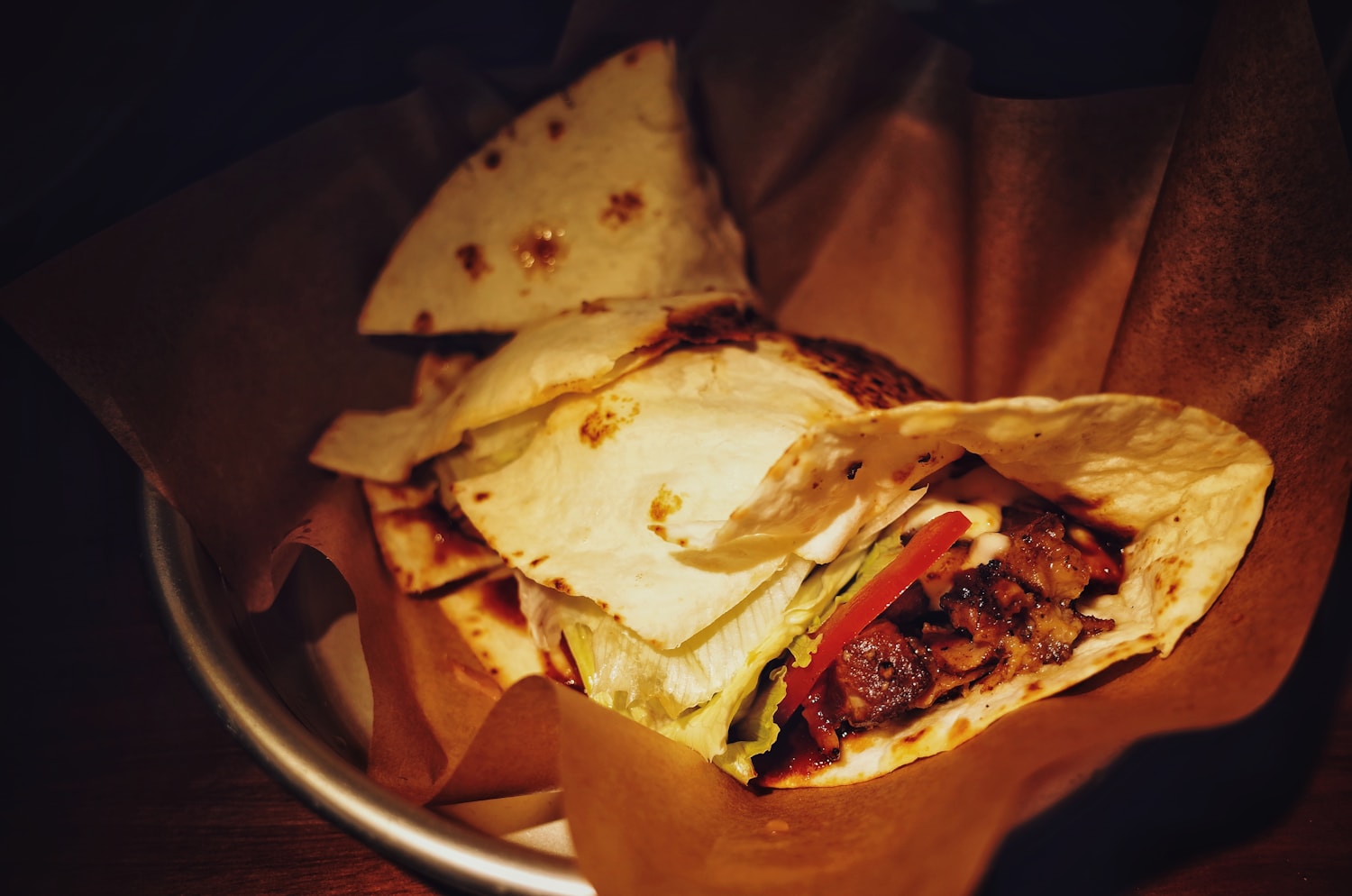
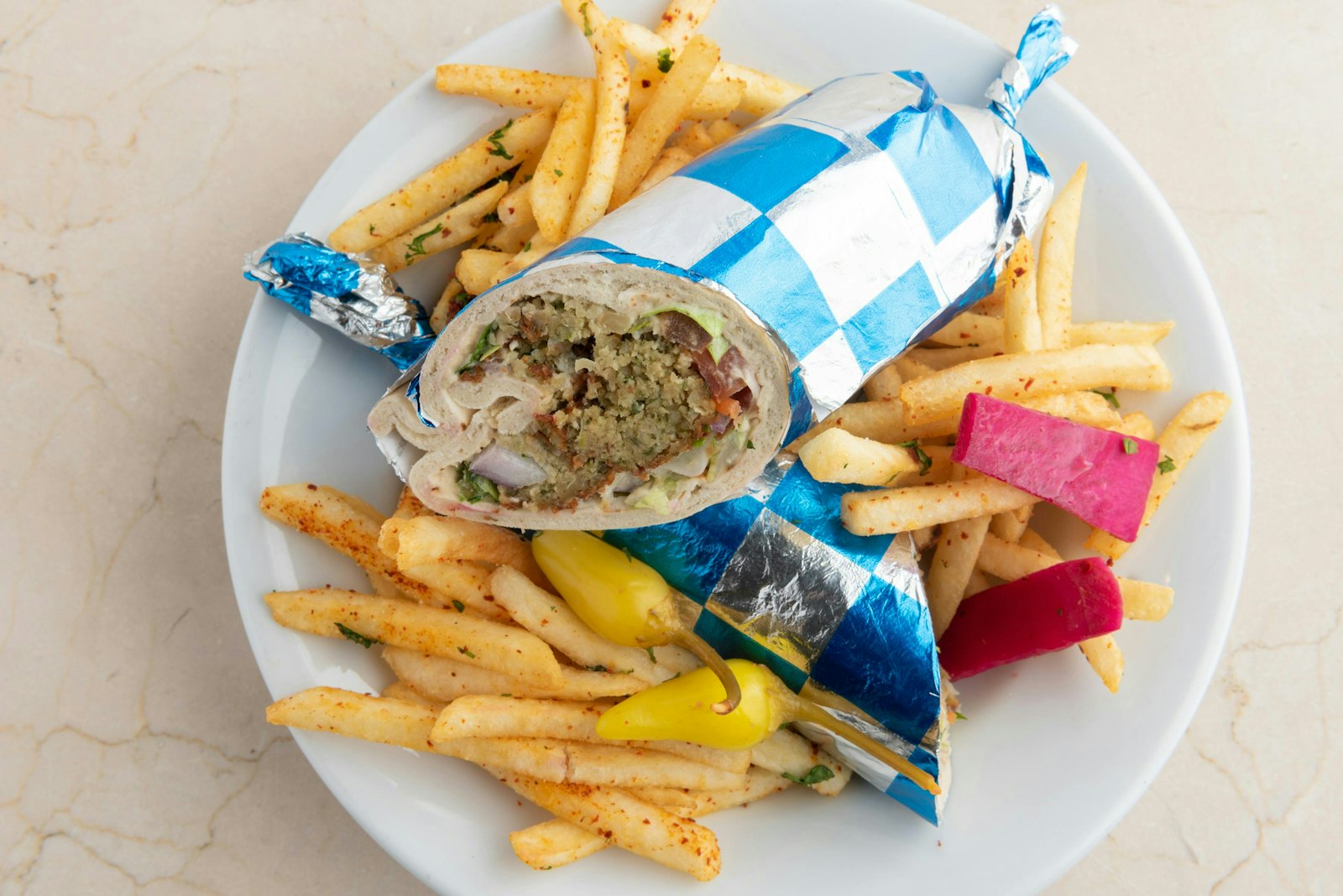
    Gyro wrap filled with meat, salad and cucumber sauce
    Quick answer

    A gyro is meat cooked on a vertical rotisserie, sliced thin and wrapped in flatbread with raw salad and a cool cucumber sauce. It eats lighter than a cheesesteak or a po’boy of the same size, because so much of it is raw salad and cold sauce rather than cheese and griddled beef.

    A gyro is meat cooked on a vertical rotisserie, sliced thin and wrapped in flatbread with raw salad and a cool, yoghurt-based cucumber sauce. The name is Greek and refers to the turning of the spit. What arrives at the table varies a good deal from kitchen to kitchen, but the shape of it never changes: thin-sliced meat, something fresh and raw for contrast, and a cold sauce cutting through a warm filling.

    It is one of the few things on a menu like ours that eats lighter than it looks, and that is worth knowing before you order it next to a cheesesteak.

    What goes in one

    Three components do the work, and they stay the same whichever meat you pick:

    • Thin-sliced meat, carved so the outside edges stay browned
    • Raw vegetables — usually onion, lettuce and tomato
    • A cool, tangy cucumber sauce that cuts the richness of the meat
    • Soft flatbread that folds around all of it without cracking

    The sauce is the part people underestimate. In Greece it is tzatziki — yoghurt, cucumber, garlic and seasoning — and its job is temperature and acidity rather than flavour alone. Take it away and a gyro eats like any other meat wrap. Ours are built with raw onions, lettuce, tomato and a cucumber sauce, and come as a gyro wrap, chicken wrap, beef wrap, shrimp wrap, or a veggie wrap with no meat at all.

    The bread matters nearly as much. It has to be soft enough to fold without splitting and sturdy enough to hold sauce and salad without going through at the bottom. That is why gyros are wrapped rather than served open — the wrap is structural, not presentation.

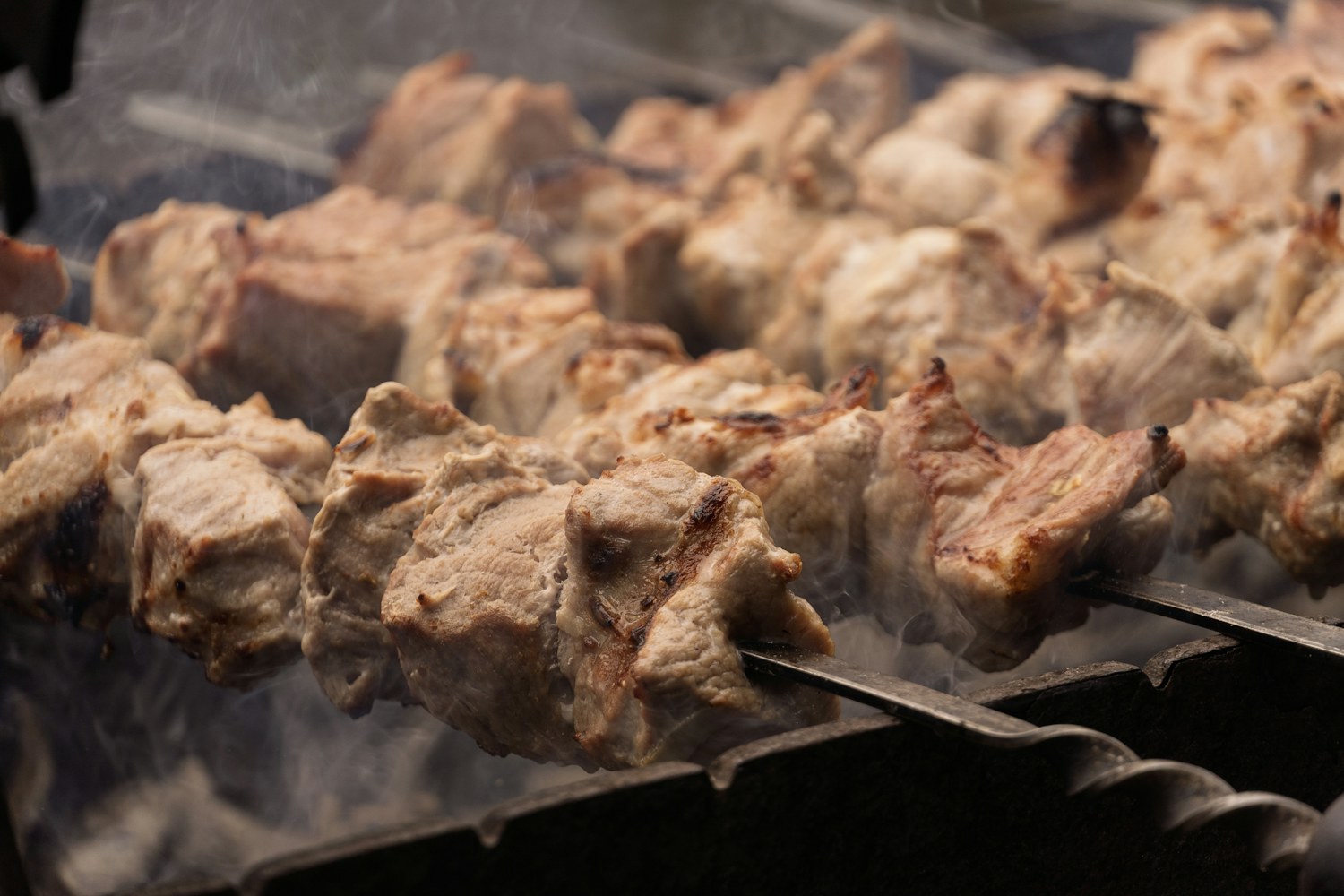
    Seasoned meat carved from a vertical rotisserie
    The vertical spit is what separates a gyro from an ordinary meat wrap.

    Where it comes from

    The vertical rotisserie is an Ottoman-era technique that spread across the eastern Mediterranean, and the Greek version took the name gyros, from the word for turning. It reached the United States with Greek immigration in the twentieth century and settled first in cities with large Greek communities before spreading to menus everywhere. Britannica’s entry on the gyro describes the classic build: roasted meat in a pita, usually with tomato, onion and tzatziki.

    On pronunciation: the Greek is closer to YEE-roh than the JY-roh most American menus have settled into. Nobody will correct you either way.

    Gyro, doner or shawarma?

    All three are vertical-rotisserie meat in bread, and the differences between them are regional rather than fundamental. If you like one, you will almost certainly like the others.

    How gyros compare with related wraps
    GyroDonerShawarma
    OriginGreeceTurkeyLevant / Middle East
    BreadSoft pita or flatbreadFlatbread or bread wedgeThin flatbread
    Typical sauceYoghurt and cucumberGarlic or chilli sauceTahini or garlic
    Usual saladOnion, tomato, lettuceCabbage, onion, tomatoPickles, tomato, parsley
    Eats likeFresh and tangySharper, often spicierNuttier, from the sesame sauce

    The sauce is usually the deciding factor rather than the meat. Doner takes its name from the Turkish for rotating meat, which tells you how closely the three are related — they are the same idea, sauced three different ways.

    How it differs from a cheesesteak or a po’boy

    This is the comparison that actually matters when all three are on the same menu. A cheesesteak is griddled beef and melted cheese in a long roll — hot the whole way through, rich, and uniform from end to end. A po’boy is a filled sandwich on crisp New Orleans French bread, where the bread does as much work as the filling.

    A gyro is the only one of the three built around raw salad and a cold sauce. That single difference is why it eats lighter than a cheesesteak of similar weight, and why it is the one most people can finish without needing to sit still afterwards. It is also the least forgiving if it sits — a cheesesteak survives twenty minutes in foil, a gyro does not.

    Cheesesteak sandwich held open in paper
    The cheesesteak is the hot, rich counterpart — no raw salad, no cold sauce.

    If you are weighing them up, our cheesesteak explainer and the po’boy guide cover the other two in the same detail.

    Philly tip

    Taking a gyro away rather than eating in? Ask for the sauce on the side. Yoghurt sauce against warm meat in a closed wrap softens the flatbread within about ten minutes, and there is no rescuing it after that.

    Which wrap should you order?

    The five on our menu split fairly neatly by how much you want the meat to lead and how much you want the sauce to:

    • Gyro wrap — the traditional version, and the one to start with
    • Chicken wrap — lighter, and the safest choice for a first order
    • Beef wrap — richer, and stands up to a heavier hand with the sauce
    • Shrimp wrap — the lightest of the five by some distance
    • Veggie wrap — the same bread, salad and sauce, no meat

    Ordering for a group with one person who does not eat meat? The veggie wrap is built the same way as the rest, so it is not the afterthought it often is elsewhere. The full list is on the gyro menu.

    What separates a good one from a poor one

    Four things, in roughly this order of importance:

    • The meat has browned edges rather than being uniformly grey
    • The bread is warm and pliable, not stiff or dried at the edges
    • There is enough sauce to taste in every bite, not just the first
    • It was wrapped a minute ago, not ten minutes ago

    Almost every disappointing gyro fails on the last point. It is a sandwich with a short window, which is why it is worth eating in if you have the choice.

    Fresh garden salad in a bowl
    A gyro already carries its salad, so a light side works better than a heavy one.

    What to order alongside

    A gyro is less filling than a cheesesteak of the same size, so the side matters more here than it usually does. Fries are the obvious choice and the one most people make. Onion rings work if you want something with more bite against the cool sauce.

    What to avoid is anything creamy or heavily dressed — the cucumber sauce already covers that ground, and doubling up flattens both. If you want something green on the table, a plain salad works better than a loaded one for the same reason.

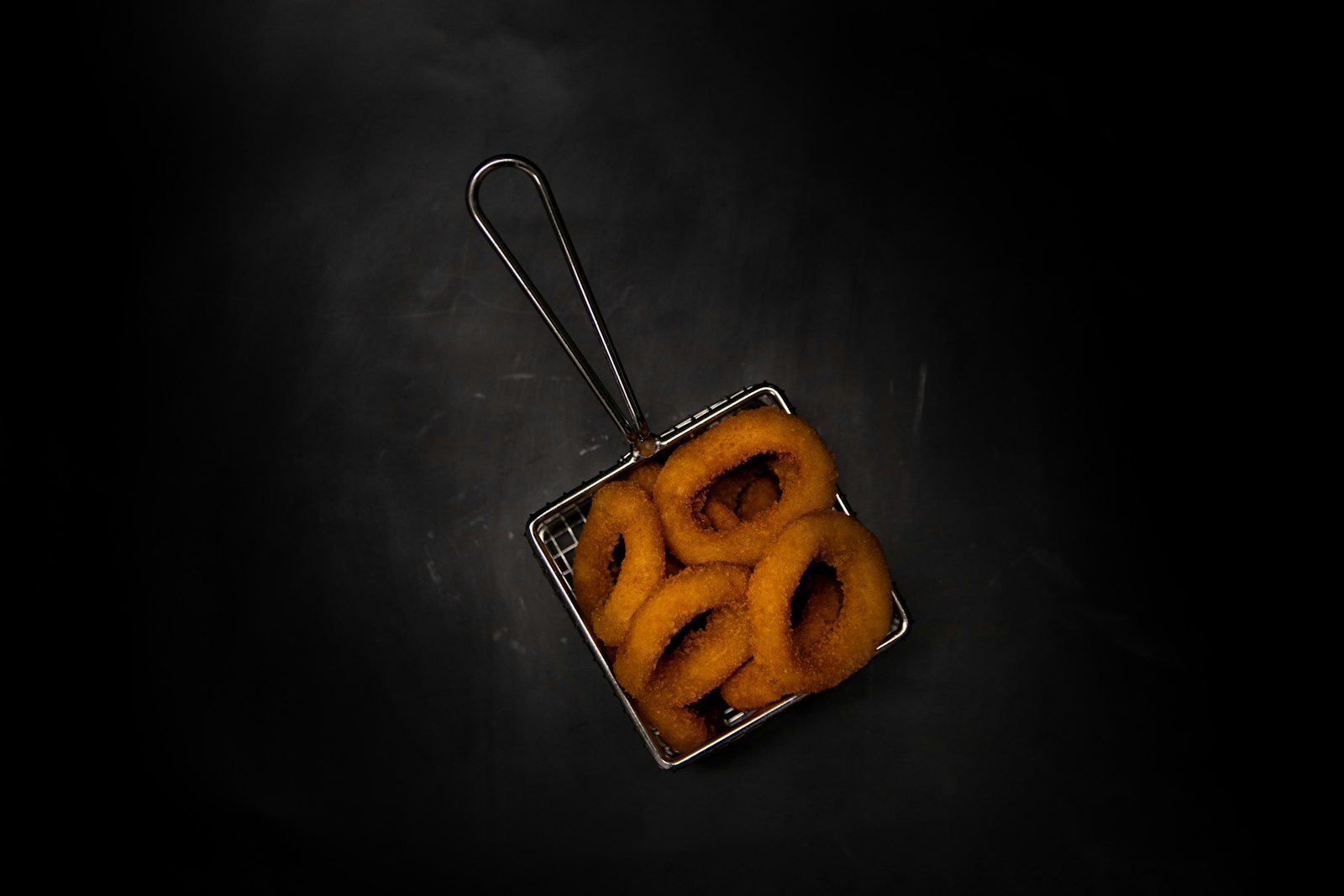
    Golden onion rings stacked on a plate
    Onion rings give you crunch without adding another creamy element.

    Five wraps on the menu

    Gyro, chicken, beef, shrimp or veggie — every one built with raw onions, lettuce, tomato and cucumber sauce.

    Frequently asked questions

    What meat is in a gyro?

    Traditionally seasoned meat cooked on a vertical rotisserie and sliced thin. Ours also come as chicken, beef, shrimp, or a veggie version with no meat.

    What sauce goes on a gyro?

    A cool cucumber sauce. Its job is to balance the warm meat with temperature and acidity rather than to add heat.

    Is a gyro the same as a doner kebab?

    They are close relatives — the same vertical-rotisserie method, with different regional sauces and salads.

    Can you get a gyro without meat?

    Yes. The veggie wrap uses the same bread, salad and sauce as the rest.

    Is a gyro lighter than a cheesesteak?

    Generally yes, at a similar size, because so much of a gyro is raw salad and cold sauce rather than cheese and griddled beef.

    Philly Steak & Wings

    We serve made-to-order cheesesteaks, wings, burgers, po’boys, gyros and seafood on US Highway 98 North in Lakeland, Florida — seven days a week.

    View Our Menu

    Hungry after all that reading?
    Make it a Philly favorite.

  • What Is a Po’boy Sandwich?

    What Is a Po’boy Sandwich?

    MENU GUIDES • 3 min read

    What Is a Po’boy Sandwich?

    A New Orleans sandwich defined by its bread — and by whether you order it dressed.

    Po'boy sandwich on French bread
    Quick answer

    A po’boy is a New Orleans sandwich served on French bread with a crisp crust and light, airy inside. Fillings run from fried shrimp and fish to roast beef, and it is either “dressed” with lettuce, tomato, pickles and mayonnaise, or ordered plain.

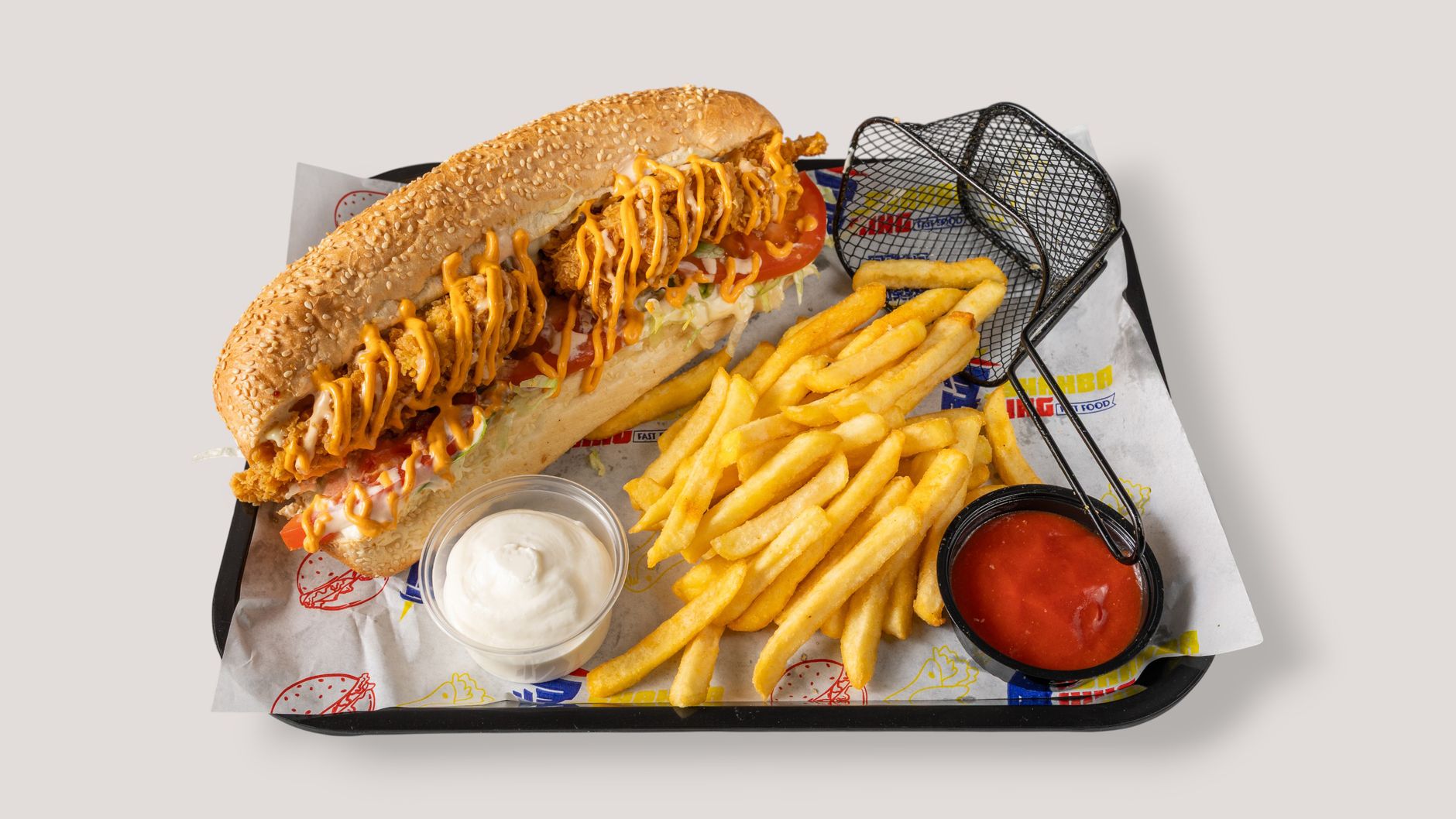
    A po’boy is a New Orleans sandwich served on French bread — a long loaf with a thin, crackly crust and a light, airy inside. That bread is what makes it a po’boy rather than a sub. The fillings range from fried shrimp and fish to roast beef with gravy, and the sandwich is either “dressed” with lettuce, tomato, pickles and mayonnaise, or ordered plain.

    Fried shrimp po'boy dressed with lettuce and tomato
    A dressed po’boy: lettuce, tomato, pickles and mayonnaise.

    Where the name comes from

    The sandwich dates to 1929, when two former streetcar conductors, Clovis and Bennie Martin, fed striking transit workers from their New Orleans coffee stand. As each striker arrived, the brothers reportedly said “here comes another poor boy” — and the name stuck. They worked with a local baker to develop a long loaf that stayed the same width end to end, so every sandwich cut from it was the same size. The Louisiana Endowment for the Humanities keeps a fuller account of the origin.

    What makes it different from a sub or a hoagie

    All three are long sandwiches, but they aren’t interchangeable.

    Po’boy, sub and hoagie compared
    Po’boySub / hoagieCheesesteak
    BreadNew Orleans French bread — crisp crust, airy crumbSofter, denser rollLong soft roll
    Typical fillingFried seafood, roast beef, hamCold cuts, cheese, saladGriddled sliced beef
    ServedHot or coldUsually coldAlways hot
    “Dressed” meansLettuce, tomato, pickles, mayoVaries by shopRarely dressed — cheese and onions
    OriginNew Orleans, 1929North-east USPhiladelphia

    The practical difference is the bread. A po’boy loaf shatters slightly when you bite it and soaks up gravy or fryer oil without turning to mush. A sub roll is softer and chewier, which suits cold fillings better than hot ones.

    Po'boy sandwich on French bread served with fries
    The loaf is the defining feature — crisp outside, light inside.

    The classic fillings

    Fried seafood is the version most people picture, and shrimp is the most ordered. Roast beef with gravy — a “debris” po’boy in New Orleans — is the other classic, and it’s messier by design. Beyond those, most shops build po’boys from whatever they fry or griddle well.

    Our po’boy menu runs to nine, including shrimp, fried fish, French dip, hot ham-n-cheese, chicken bacon club, buttermilk buffalo chicken and a meatball sub. Most come in a 7-inch or 12-inch size, so it works either as a single lunch or as something to split.

    Philly tip

    Ordering a fried seafood po’boy to take away? Ask for the dressing on the side. Mayonnaise and warm fried shrimp in a closed box will soften the crust before you get home.

    Dressed or plain?

    “Dressed” is the standard New Orleans shorthand for lettuce, tomato, pickles and mayonnaise. It’s worth knowing because it changes the sandwich more than people expect:

    • Dressed adds crunch and acidity, which cuts through fried fillings
    • Plain keeps the focus on the filling and the bread
    • Hot fillings like French dip are usually better plain, so the bread stays intact
    • Cold or fried fillings almost always benefit from being dressed
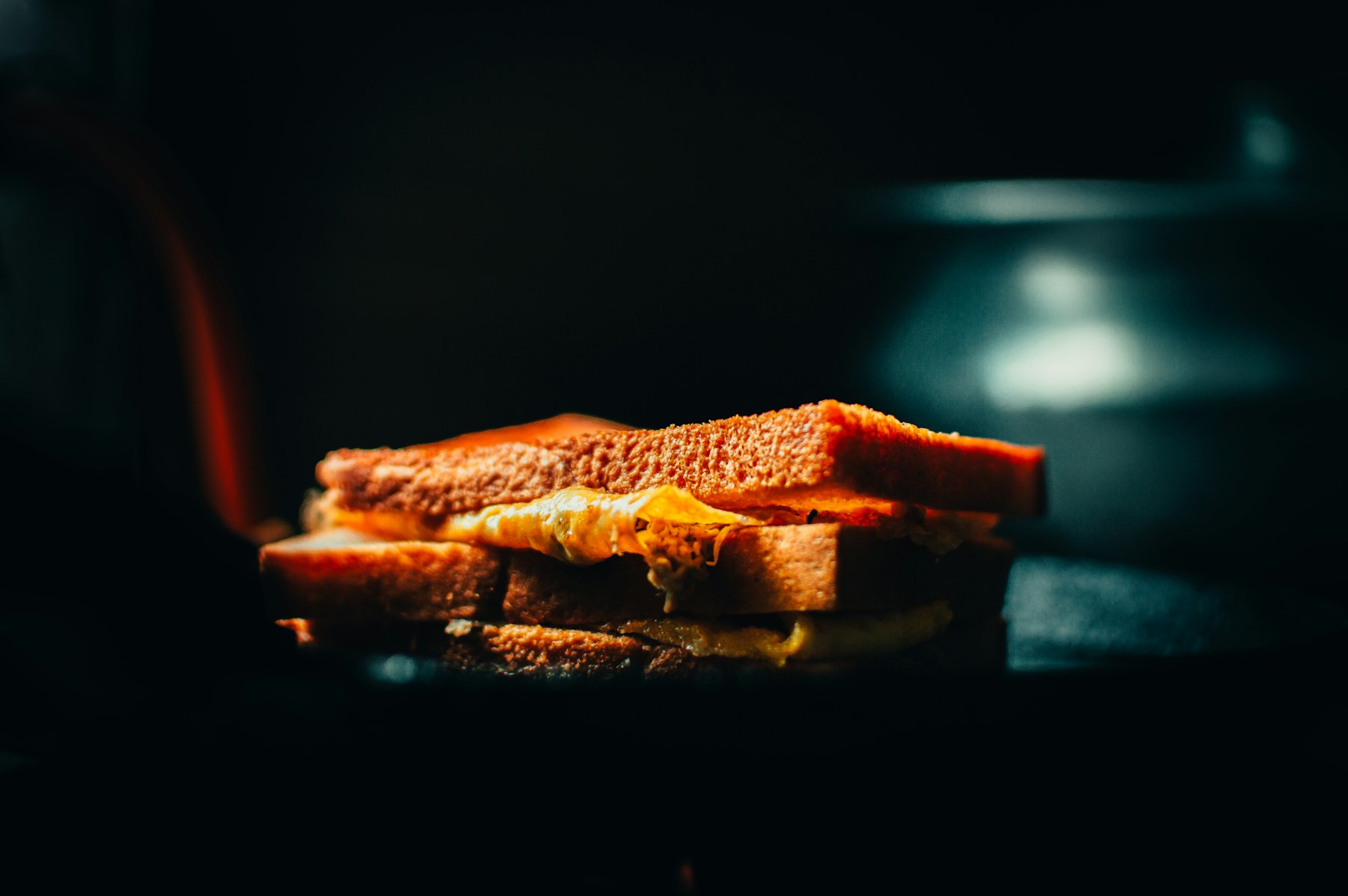
    Toasted sandwich with cheese melting at the edges
    Hot-filled sandwiches hold up better without dressing.

    What to order alongside one

    Fries are the default, and a po’boy plus fries is a full meal for most people. If you’re ordering for two and want variety, a 12-inch cut in half with a portion of wings covers more ground than two sandwiches. Our guide to wing quantities is useful if you’re building a shared order.

    If you’re deciding between a po’boy and a cheesesteak, the difference is mostly the bread and whether the filling is fried or griddled — our cheesesteak explainer covers that side of it.

    Gyro wrap with lettuce, tomato and cucumber sauce
    Wraps and gyros sit alongside the po’boys on the same menu.

    Nine po’boys on the menu

    Shrimp, fried fish, French dip and more — in 7-inch and 12-inch sizes.

    Frequently asked questions

    Is a po’boy the same as a sub?

    No. The bread is different — a po’boy uses New Orleans French bread with a crisp crust and airy inside, while a sub uses a softer, denser roll.

    What does “dressed” mean on a po’boy?

    Lettuce, tomato, pickles and mayonnaise. Ordering it plain means none of those.

    What is the most popular po’boy filling?

    Fried shrimp is the classic, with roast beef in gravy close behind.

    Can you get a po’boy in a smaller size?

    Yes — most of ours come in a 7-inch as well as a 12-inch.

    Philly Steak & Wings

    We serve made-to-order cheesesteaks, wings, burgers, po’boys, gyros and seafood on US Highway 98 North in Lakeland, Florida — seven days a week.

    View Our Menu

    Hungry after all that reading?
    Make it a Philly favorite.

  • How Many Wings Should You Order Per Person?

    How Many Wings Should You Order Per Person?

    MENU GUIDES • 3 min read

    How Many Wings Per Person?

    Six to ten per adult, depending on sides. Here’s how that scales for a group, and where people usually over-order.

    Large platter of chicken wings for sharing
    Quick answer

    Plan on 6–10 wings per adult when there are sides on the table, or 10–12 if wings are the whole meal. Drop to 4–6 per person at a party where other food is being served.

    For most adults, six to ten wings is a meal when there are sides on the table, and ten to twelve if wings are the only thing being served. That’s the short answer. The number moves around depending on whether you’re feeding people standing up at a party or sitting down to dinner, and on whether you’re ordering bone-in or boneless — boneless pieces carry more meat, so the same count goes further.

    Sharing platter of wings, fries and a sandwich
    Wings stretch much further when there are fries and sides alongside.

    Start with what the wings are doing

    The single biggest factor is whether wings are the meal or part of it.

    • Wings as the main event, no sides. Plan on 10–12 pieces per adult.
    • Wings with fries or rings. 6–8 pieces per adult is usually plenty.
    • Wings as an appetizer before something else. 4–5 pieces per person.
    • Wings on a party table with other food. 4–6 pieces per person, because people graze rather than commit.

    Children eat considerably less — three or four boneless pieces is typically enough for a younger child, and a kids’ meal is often the better value.

    A quick reference by group size

    These assume wings are the main food, with a side or two on the table. If you’re serving pizza, burgers or a full spread alongside, scale down by roughly a third.

    Suggested wing counts by group size
    GroupWings as the mealWith sidesAppetizer only
    2 people20 pcs15 pcs10 pcs
    4 people40 pcs30 pcs20 pcs
    6 people50–60 pcs40 pcs25 pcs
    10 people100 pcs75 pcs50 pcs
    20 people200 pcs150 pcs100 pcs

    Our wings are sold in counts from 5 pieces up to 200, in both bone-in and boneless, which makes it straightforward to land close to these numbers without ordering two separate trays.

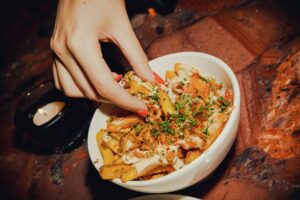
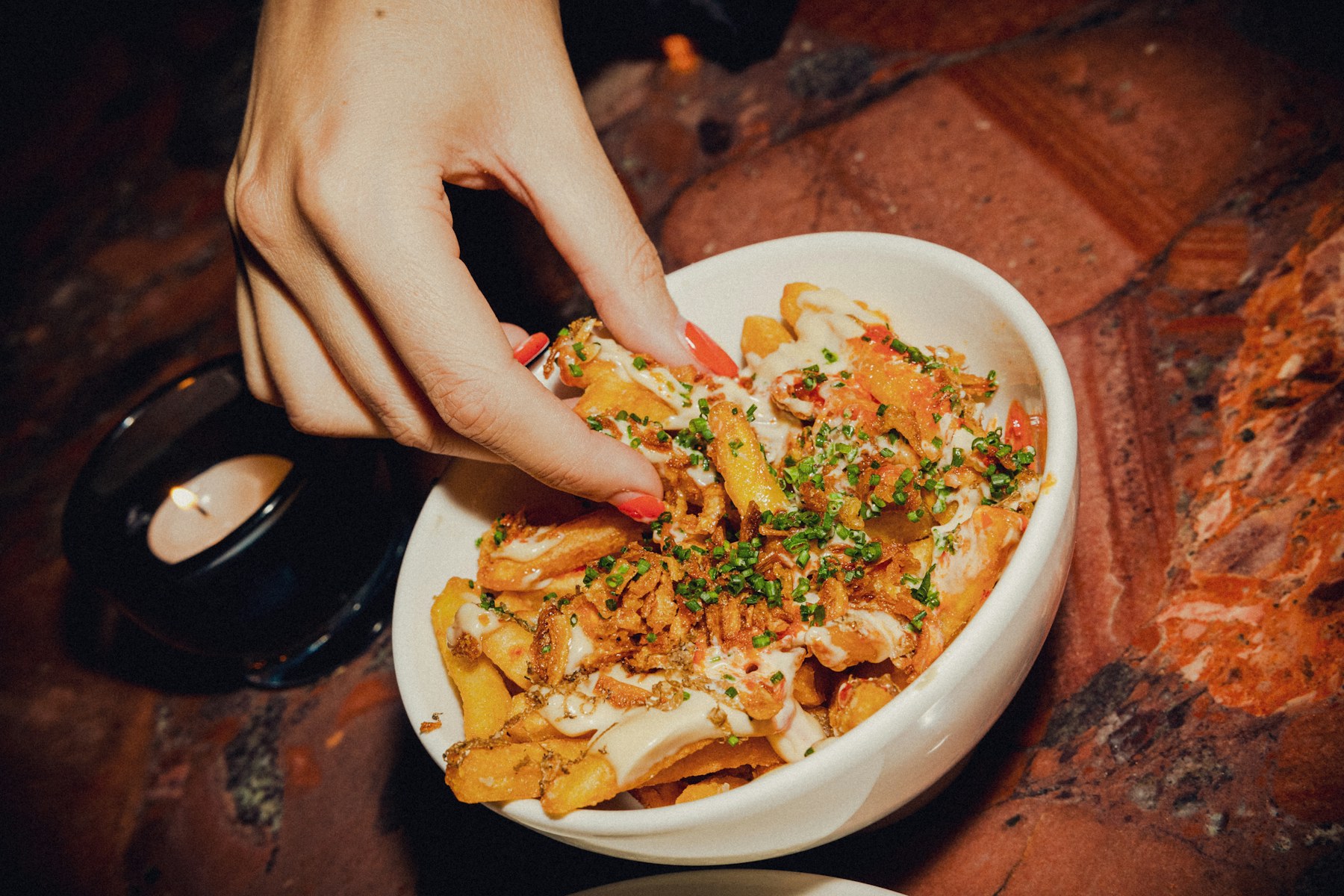
    Loaded fries topped with cheese and herbs
    Loaded fries are filling — order fewer wings if they are on the table.

    Where people usually get it wrong

    Forgetting that sides are filling

    A large portion of loaded fries or onion rings will take the edge off several people’s appetites. Groups that order generously on sides almost always over-order on wings.

    Ordering one sauce for everyone

    Heat tolerance varies more than group organisers expect. Splitting a large count across two sauces — one mild, one hot — wastes far less than committing everything to a single flavour.

    Counting bone-in and boneless the same

    They aren’t equivalent. Ten boneless pieces are more food than ten bone-in wings, because there’s no bone. If you’re switching styles, drop the count slightly. Our bone-in versus boneless comparison goes into the difference in more detail.

    Leaving a big order to the last minute

    Everything here is cooked to order, so a 100-piece tray isn’t instant. For large counts, phone the order through in advance rather than arriving and waiting.

    Golden battered onion rings
    Rings and fries both count toward how full the table gets.

    Ordering for a game or a party

    For a watching-sport crowd, plan for grazing rather than plated meals: people eat steadily over a couple of hours rather than in one sitting. Six pieces per head across the whole event is a reliable planning figure, with fries and a couple of shareable sides to spread it out.

    Mixing in a few cheesesteaks changes the maths usefully — a group that would need 100 wings on its own is comfortable on 60 with a handful of Phillys cut into halves. You can see the sandwich options on our Philly cheesesteak menu, and the shareable fried sides on the appetizers menu.

    Storing what’s left

    If you do over-order, cooked wings need to go into the fridge promptly rather than sitting out through the rest of the evening. The USDA guidance on leftovers and food safety is the reference for how long cooked poultry keeps.

    The practical version

    Work out whether wings are the meal or part of it, count six to ten per adult accordingly, subtract if you’re ordering big sides, and split large orders across two sauces. That gets most groups close enough.

    Ordering for a group?

    Wings scale from 5 pieces to 200, and a few cheesesteaks cut in half go further than most people expect.

    Frequently asked questions

    How many wings are in a pound?

    Roughly nine to twelve bone-in wing pieces, depending on size. Most people find ordering by piece count easier to plan around than by weight.

    How many wings for one person as a full meal?

    Ten to twelve if wings are all you’re eating; six to eight if there are fries or another side.

    Should I order bone-in or boneless for a group?

    Boneless is easier to eat standing up and leaves no bone waste. Many groups split the order across both.

    How far ahead should I order a large tray?

    Call ahead for the biggest counts. Everything is cooked to order, so large trays take longer than small ones.

    Philly Steak & Wings

    We serve made-to-order cheesesteaks, wings, burgers, po’boys, gyros and seafood on US Highway 98 North in Lakeland, Florida — seven days a week.

    View Our Menu

    Hungry after all that reading?
    Make it a Philly favorite.