MENU GUIDES • 5 min read
Hot and Cold
Cold salad on hot filling, cucumber sauce on warm meat, celery with wings — it looks like convention and it is doing real work.
Something cold immediately after something hot registers more sharply and stops rich food becoming tiring. It is why po’boys come dressed, why the wraps are half salad, why wings arrive with celery, and why the two undressed sandwiches are the heaviest eating here.
Look closely at how the sandwiches here are built and a pattern appears that nobody puts on a menu: hot things arrive with cold things on them, deliberately, almost every time.
Cold salad on a hot fried filling. A cool cucumber sauce on warm meat. Cold mayonnaise against hot ham. It looks like convention, and it is actually doing something specific.
What temperature contrast does
Two things, and they are separate.
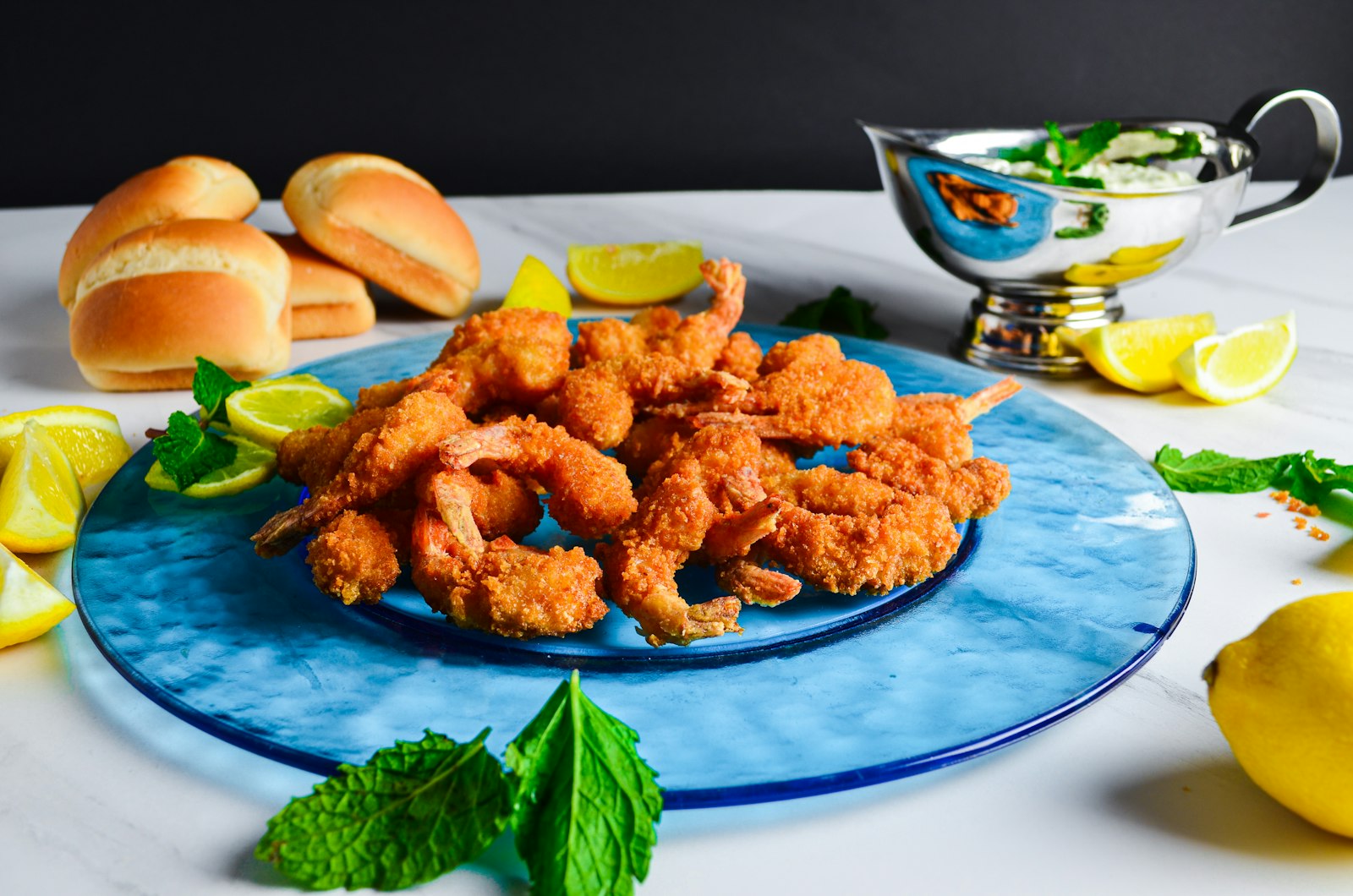
The first is perception. Something cold eaten immediately after something hot registers more sharply than it would on its own — the contrast makes each one more noticeable. That is why a plain lettuce leaf, which tastes of very little, does real work in a sandwich full of fried fish.
The second is pace. Cooking concentrates flavour and fat; heat carries both. A hot, rich mouthful is intense and then fatiguing, and a cold element interrupts that before it becomes tiring. It is the same job acidity does, by a different route.
Where it happens on this menu
| Item | The hot part | The cold part |
|---|---|---|
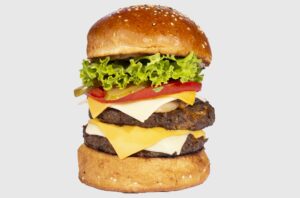
| Dressed po’boys | Fried or griddled filling | Lettuce, tomato, mayonnaise, pickles |
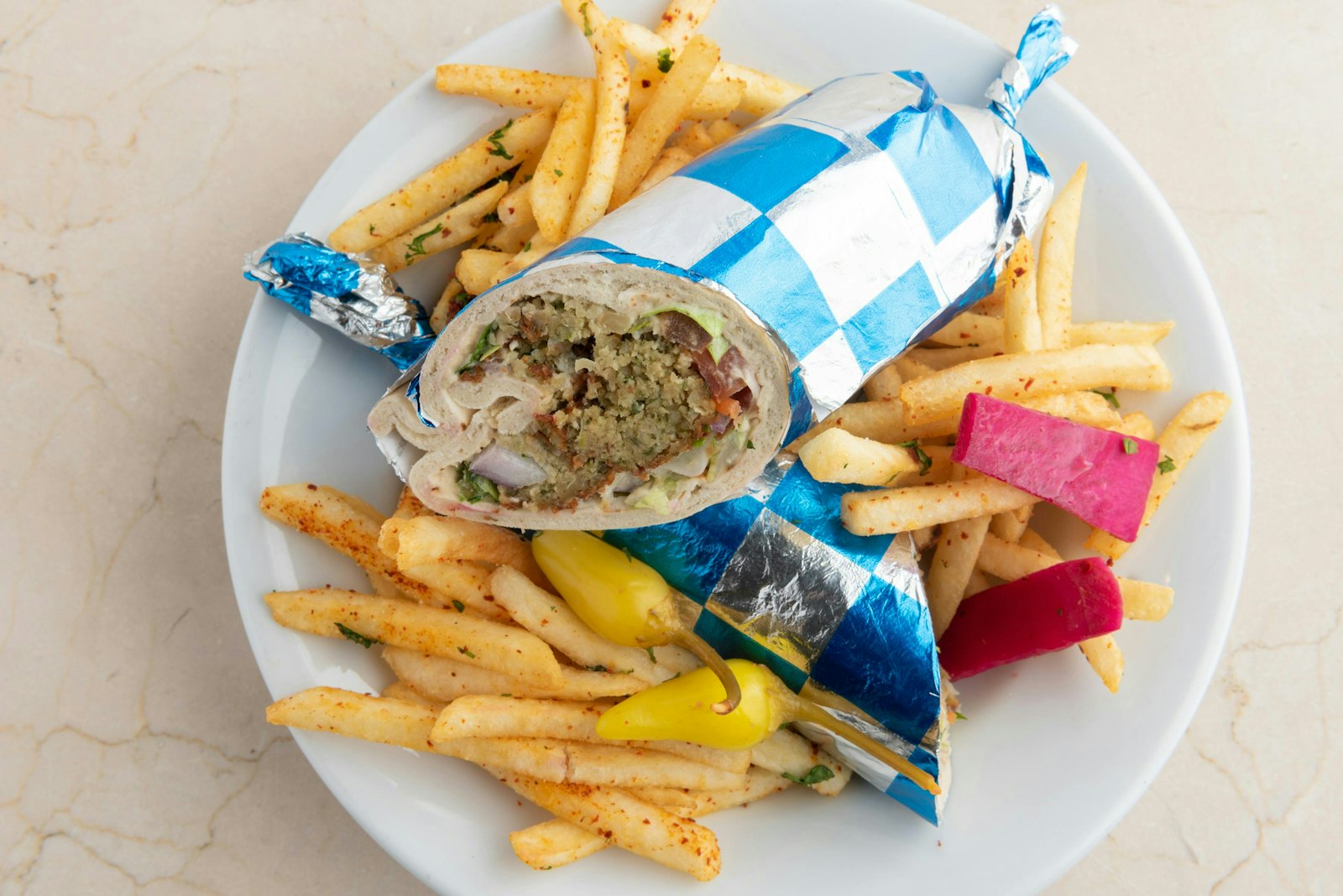
| The five wraps | The meat | Raw onion, salad and cucumber sauce |
| Hot Ham-N-Cheese | Hot ham and melted cheese | The standard dressing |
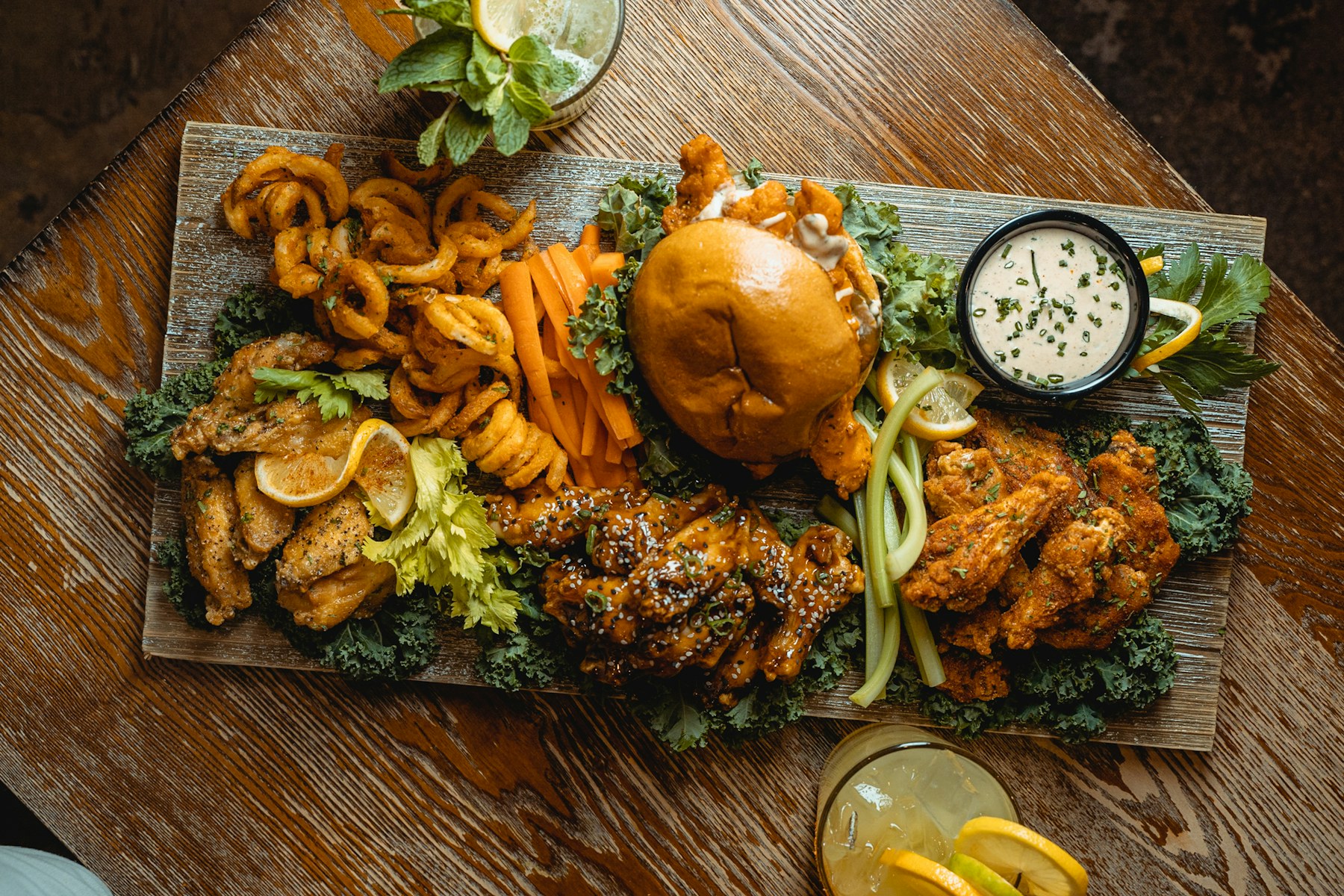
| Wings | The wings themselves | Celery and a chilled dip |
| Seafood boil | The bag | Nothing — and it is the exception |
| Rolled ice cream | Whatever preceded it | The dessert itself |
That fifth row is the interesting one. A boil has no cold element at all, which is exactly why it is eaten slowly with drinks rather than quickly like a sandwich — there is nothing built in to reset your palate, so the pacing has to come from outside.
The two sandwiches that refuse it
Two po’boys come undressed, and both refuse the cold element for structural reasons rather than culinary ones.
- The French dip — cold salad cannot survive being dipped in hot jus, and mayonnaise least of all
- The meatball sub — mayonnaise splits against hot tomato sauce, and cold lettuce goes limp in it within a minute
Both are therefore richer, heavier eating than the seven that come dressed, and both benefit more from a sharp side than anything else on that menu. Our guides to the French dip and the meatball sub cover each.
Why the gyro wraps go furthest with it
The five wraps take the principle further than anything else here. Roughly half of what is inside is cold — raw onion, lettuce, tomato and a cool cucumber sauce — against a warm filling.
That ratio is why a wrap eats lighter than a sandwich with the same amount of meat in it. Cold, wet and raw is simply less taxing than hot, rich and cooked, and when it is half of every mouthful the whole thing lands differently. More in the five wraps compared.
Ordering something undressed — the French dip, the meatball sub, a plain cheesesteak? Put something cold on the table rather than another fried side. A plain salad or even a cold drink does more for the last third of a rich sandwich than more hot food will.
The cheesesteak is the exception that proves it
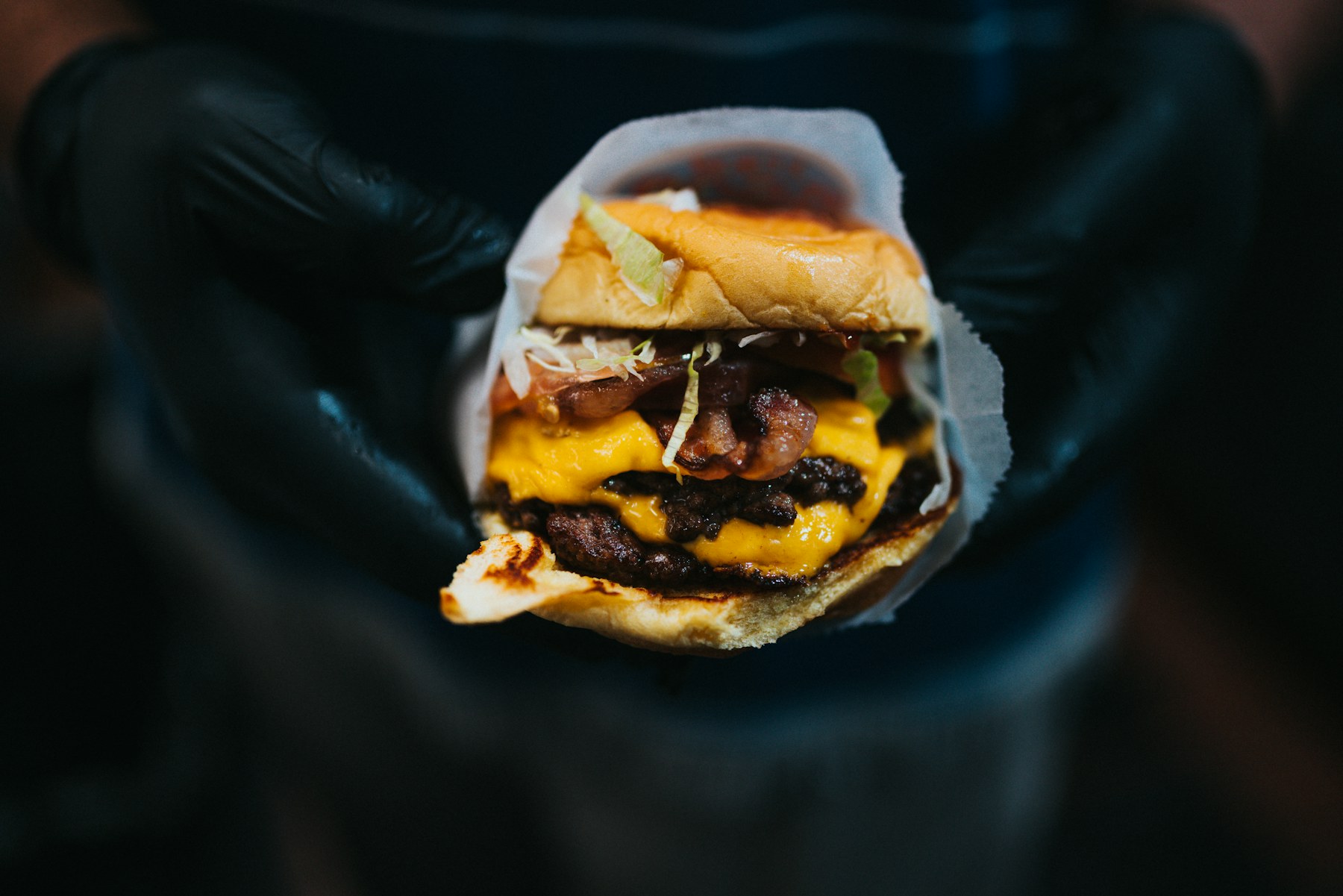
A cheesesteak has no cold element at all. No lettuce, no tomato, no sauce that is not melted — it is hot the whole way through, end to end, and every bite is the same.
That is the point of it, and it is also why it is filling in a way a dressed po’boy of the same size is not. There is nothing built in to interrupt the richness, which is why the standard advice with a cheesesteak is to put something sharp or cold beside it rather than inside it — a plain salad, or onion rings rather than fries.
It also explains why the cheese choice matters so much there. With no cold element doing the contrast, the only thing available to cut the ribeye is the cheese itself, which is why provolone reads as sharper and more balanced than American on a plain build.
What this means when you take food home
It means the cold half degrades in a way the hot half does not. A hot sandwich cools gradually and is still recognisably itself; cold lettuce sitting against hot filling in a closed bag goes warm and limp, and warm limp lettuce is worse than no lettuce at all.
Which is why the standing advice on every dressed sandwich here is the same: ask for the dressing on the side if it is more than about ten minutes away. There is a full ranking of what survives a journey in what travels best.
Dessert is the same idea, at the end
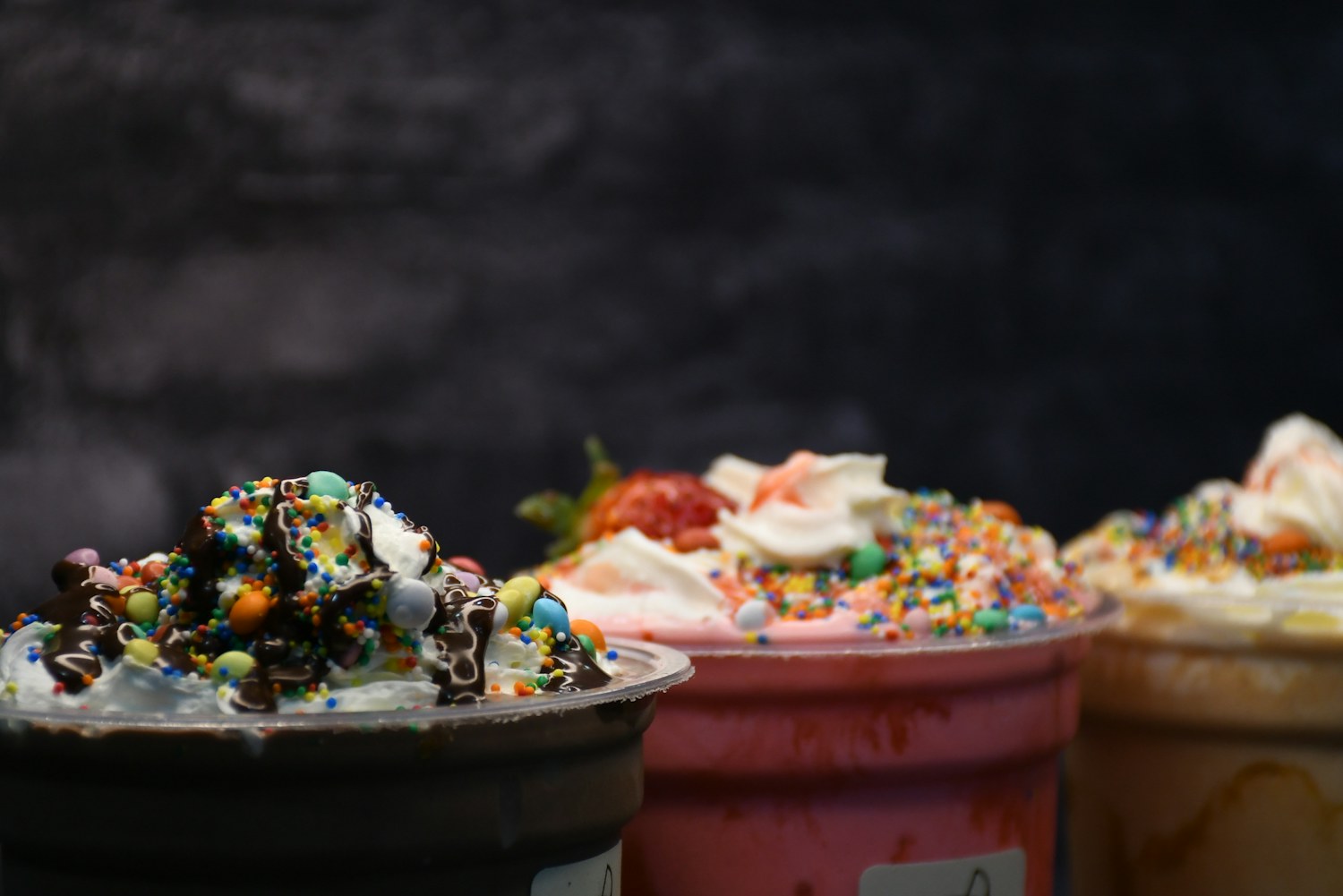
Thai rolled ice cream after wings is the most extreme version of this on the menu, and it works for exactly the reasons above — cold and dense immediately after hot and sauced.
It is also why it is worth ordering after the plates go rather than with them. The contrast only works if the two things are close together in time and separate on the table. Ordered up front, it sits and softens while you eat, and by the time you get to it the contrast is gone. Our explainer on how it is made covers the timing.
How to use it when you order
- Order at least one cold thing for the table — a salad, celery, or a dressed sandwich
- Keep dressed sandwiches dressed if you are eating in
- Ask for dressing on the side if you are not
- Save the cold dessert for the end rather than ordering it with the food
- Two hot rich things and nothing cold is the combination that gets abandoned halfway
The short version
Hot and cold in the same mouthful makes each one register more, and it stops rich food becoming tiring. It is why po’boys come dressed, why the wraps are half salad, why wings arrive with celery, and why the two undressed sandwiches are the heaviest eating on the menu. Order something cold alongside anything rich.
Dressed, or on the side
Seven of nine po’boys come dressed, and all five wraps carry a cool sauce.
Frequently asked questions
Why do sandwiches come with cold salad on hot filling?
Contrast. Something cold immediately after something hot registers more sharply, and it stops a rich mouthful becoming tiring.
Which sandwiches do not come dressed?
The French dip and the meatball sub — cold salad cannot survive being dipped, and mayonnaise splits against hot tomato sauce.
Why do wings come with celery?
It is the cold element. Between celery, a chilled dip and the sauce, the three balance each other.
Should I order dressing on the side?
If the food is travelling more than about ten minutes, yes. Warm limp lettuce is worse than no lettuce.
Why order dessert after the plates go?
The contrast between hot food and cold dessert only works if they are close in time. Ordered up front, rolled ice cream softens while you eat.
More From the Kitchen