MENU GUIDES • 5 min read
Herbs on a Menu Like This
One item is named for them, five carry them, and none of them arrives fresh — for a reason.
Herbs are in the blackening blend, ranch, marinara, Italian dressing and the cucumber sauce — always inside a blend, a dressing or a sauce. They are dried rather than fresh because fresh herbs lose their aromatics almost immediately on a flat top or in a fryer.
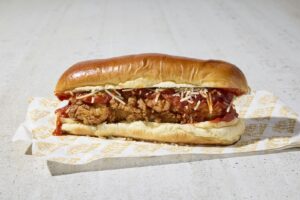
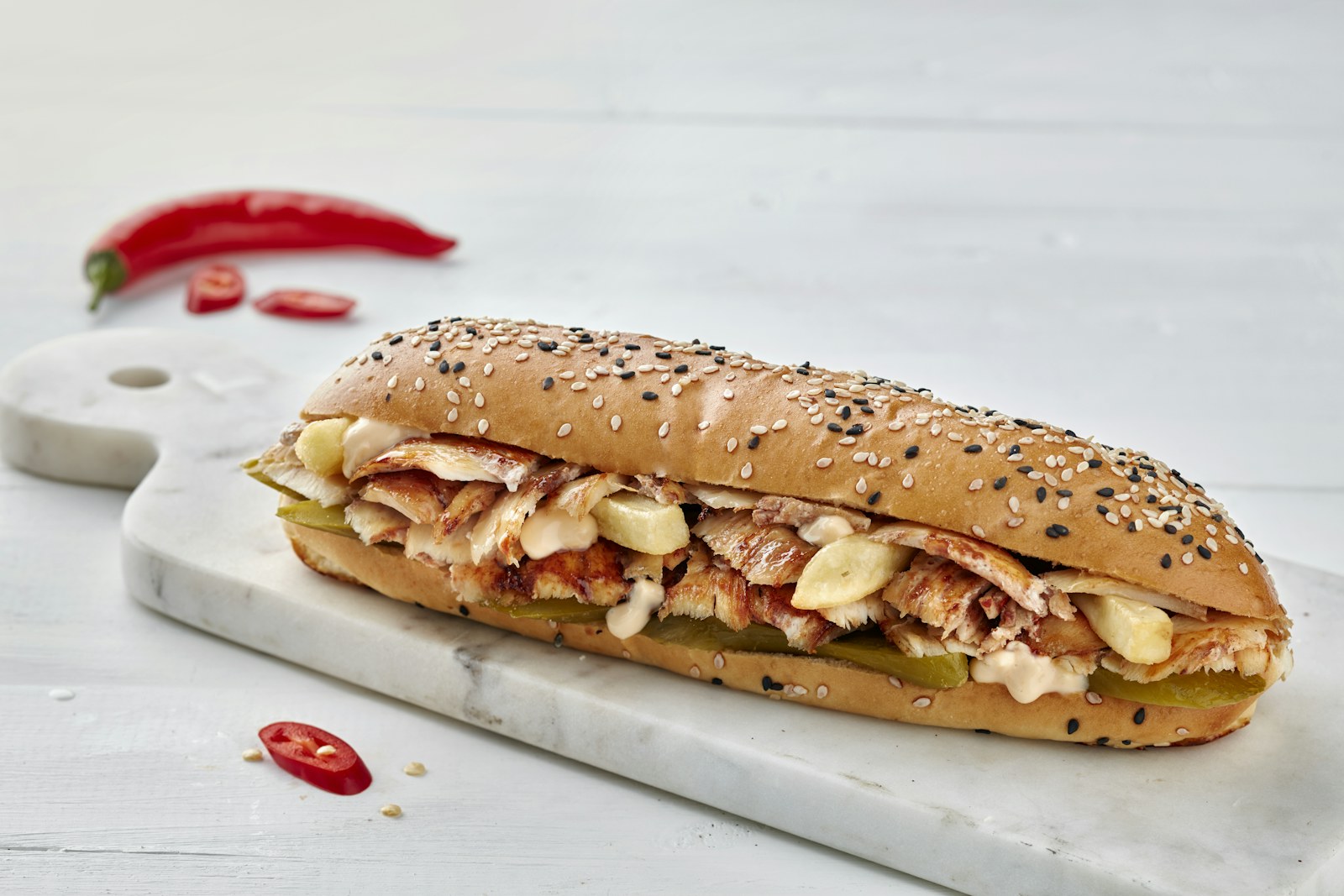
One item on this menu has a herb in its name, and it is easy to read as decoration. The Blackened Herb Chicken po’boy is named that way because the herbs are doing the work — there is no sauce on it and no coating, so the dried blend pressed into the surface is most of what you taste.
Herbs turn up in four other places too, and in every one of them they are in something rather than on it.
Where the herbs are
- The blackening blend — thyme and oregano among the dried seasonings, on the Blackened Herb Chicken and in the Tiger Steak’s sauce
- Ranch — dill, parsley and chives are the herb part of a buttermilk dressing
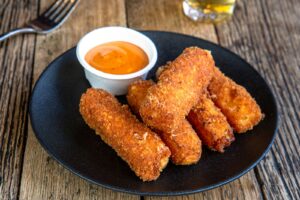
- Marinara — cooked with the tomato, in the Pizza Steak, the meatball sub and the mozzarella stick cup
- Italian dressing — on the sides menu, with the salads
- The cucumber sauce — on all five wraps, in the traditional style
The pattern is worth noticing. Herbs never arrive loose on this menu — they are always inside a blend, a dressing or a sauce. On a menu built around frying and griddling, that is the only way they survive.
Dried, not fresh, and why
Almost everything here uses dried herbs, and that is a technical decision rather than a shortcut.
Fresh herbs are mostly water and their aromatic compounds are volatile — they evaporate quickly under heat. Put fresh oregano on a 200-degree flat top and most of what makes it taste of anything is gone in seconds. Dried herbs have already lost their water, and what remains is concentrated and far more heat stable.
| Fresh | Dried | |
|---|---|---|
| Under high heat | Volatiles evaporate almost immediately | Survives and releases slowly |
| In a rub or crust | Burns and goes bitter | Toasts and deepens |
| In a cold dressing | Better — nothing is being cooked off | Works, but flatter |
| In a long-cooked sauce | Added at the end | Added at the start |
Which explains the distribution. Dried herbs go into the blackening blend and the marinara, where there is heat. The dressings, which are cold, are where fresh herbs would make the biggest difference — and it is why a herby dressing tastes noticeably more herbal than a herby sauce.
Why none of them is on the food itself
Notice what is missing: nothing here arrives with herbs scattered over it. No parsley on the fries, no basil on anything. That is partly practical — garnish does not survive a takeaway bag — and partly the same heat problem, since anything sprinkled on hot food at the pass is mostly gone by the time it reaches you.
Herbs against spices
The terms get used interchangeably and the distinction is real: herbs are leaves, spices are everything else — seeds, bark, roots, dried fruit. Both appear in the blackening blend, and they do different jobs.
- Herbs (thyme, oregano, parsley, dill) — aromatic and green, they sit above the other flavours
- Spices (paprika, cayenne, black pepper) — deeper and often hotter, they sit underneath
- Alliums (garlic and onion powder) — the savoury base both rest on
A blackening blend contains all three, which is why the crust tastes complete rather than one-note, and why it works without any sauce at all. Our piece on what blackened means covers the technique, and garlic across the menu covers the base.
What each of the four actually brings
Worth being specific, because “herbs” as a category is not very useful when you are choosing a dressing.
| Herb | Where | Tastes |
|---|---|---|
| Oregano | Blackening blend, marinara | Warm, slightly bitter, holds up to heat better than most |
| Thyme | Blackening blend | Woody and savoury, very heat stable |
| Dill | Ranch | Bright and faintly aniseed — the signature note in ranch |
| Parsley | Ranch, Italian dressing | Fresh and green; mostly there to lift the others |
Dill is the one worth recognising, because it is what makes ranch taste like ranch rather than like seasoned buttermilk. If you have ever wondered what the distinctive note in ranch is, that is it — and it is also why ranch works better on mild fried food than on anything already aromatic.
Where you can add them
Not many places, honestly, and that is worth saying. There is no herb shaker and nothing on the add-on list is a herb. What you can do is choose a sauce or dressing that carries them:
- Ranch — the herbiest thing on the sides menu by a distance
- Italian dressing — with a salad, or as a cup
- Marinara — a cup, and it works on onion rings and fried mushrooms as well as mozzarella sticks
- Order the Blackened Herb Chicken — the only item where the herbs are the point
Ordering the blackened herb chicken and finding it milder than you expected? That is the herbs rather than a weak blend. A herb-forward crust reads as aromatic rather than hot, which is why it suits people who want flavour without heat.
Why the salads are where fresh would help most
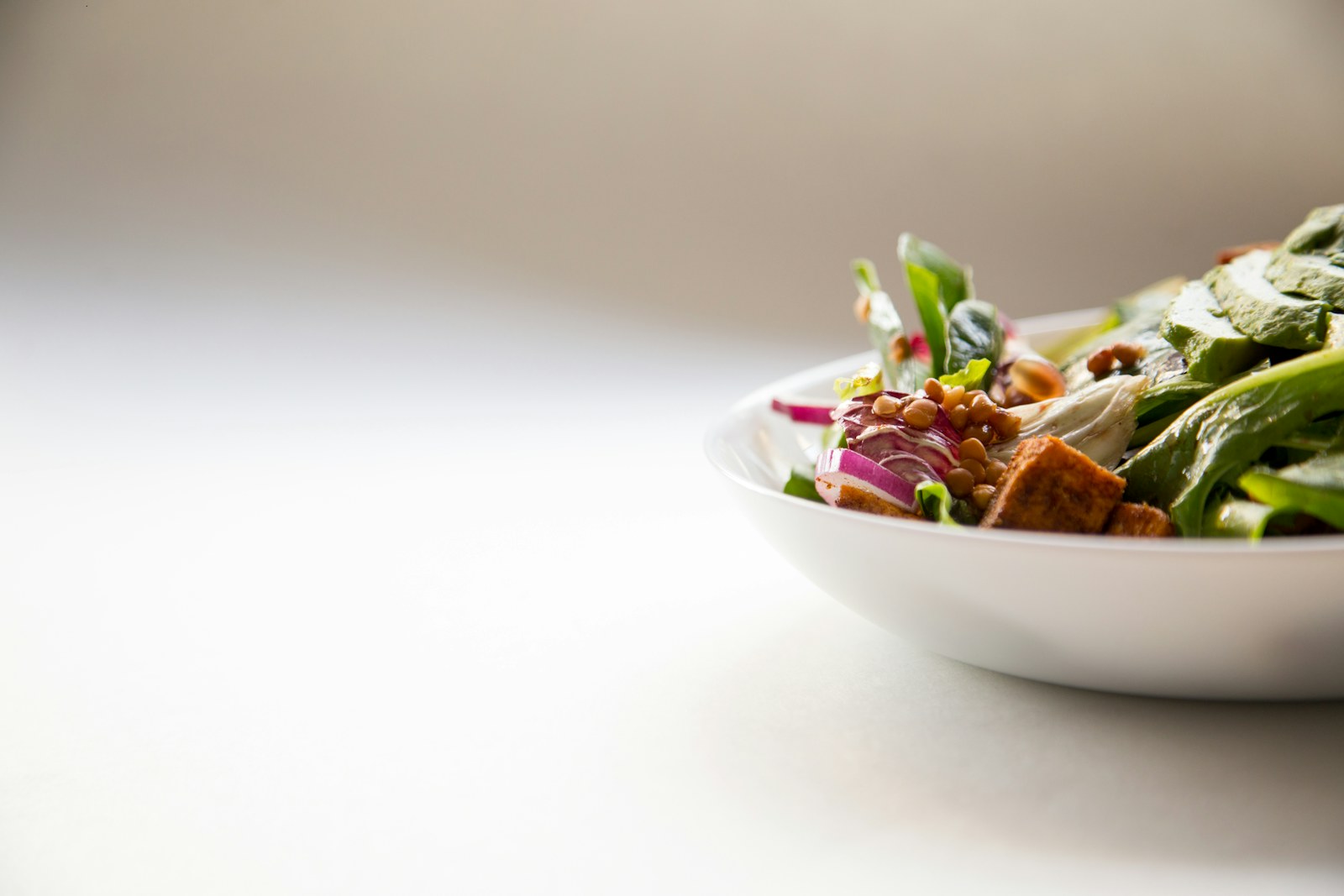
If anything on this menu would benefit from fresh herbs rather than dried, it is the two salads and the cold dressings that go with them — nothing there is being cooked, so nothing would be lost to heat.
That is a genuine limitation rather than a complaint. A kitchen built around a flat top and a fryer keeps dried herbs because that is what its cooking needs, and the cold end of the menu inherits the same store cupboard. It is worth knowing if you are ordering a salad expecting a garden-fresh one.
The short version
Herbs are in five places here and always inside something — a blend, a dressing or a sauce. They are dried rather than fresh because fresh ones do not survive a flat top or a fryer. And the one item named for them, the Blackened Herb Chicken, is the only place they lead rather than support.
Named once, carried five times
The Blackened Herb Chicken, and four sauces that carry them quietly.
Frequently asked questions
Which item has herbs in the name?
The Blackened Herb Chicken po’boy. It has no sauce and no coating, so the dried blend on the surface is most of the flavour.
Why dried herbs rather than fresh?
Fresh herbs are mostly water and their aromatic compounds evaporate under high heat. Dried ones are concentrated and far more heat stable.
What is the difference between herbs and spices?
Herbs are leaves; spices are seeds, bark, roots and dried fruit. A blackening blend contains both, plus garlic and onion as a base.
What is the herbiest thing on the menu?
Ranch, which has dill, parsley and chives in a buttermilk base. Italian dressing is next.
Can I add herbs to something?
Not directly — there is no herb option on the add-on list. Choose a sauce or dressing that carries them instead.
More From the Kitchen