Skip to content

Category: Wings

  • Drums or Flats? How to Order Wings Your Way

    Drums or Flats? How to Order Wings Your Way

    WINGS • 5 min read

    Drums or Flats?

    The two cuts, what actually separates them, and the ordering options most people never notice are on the menu.
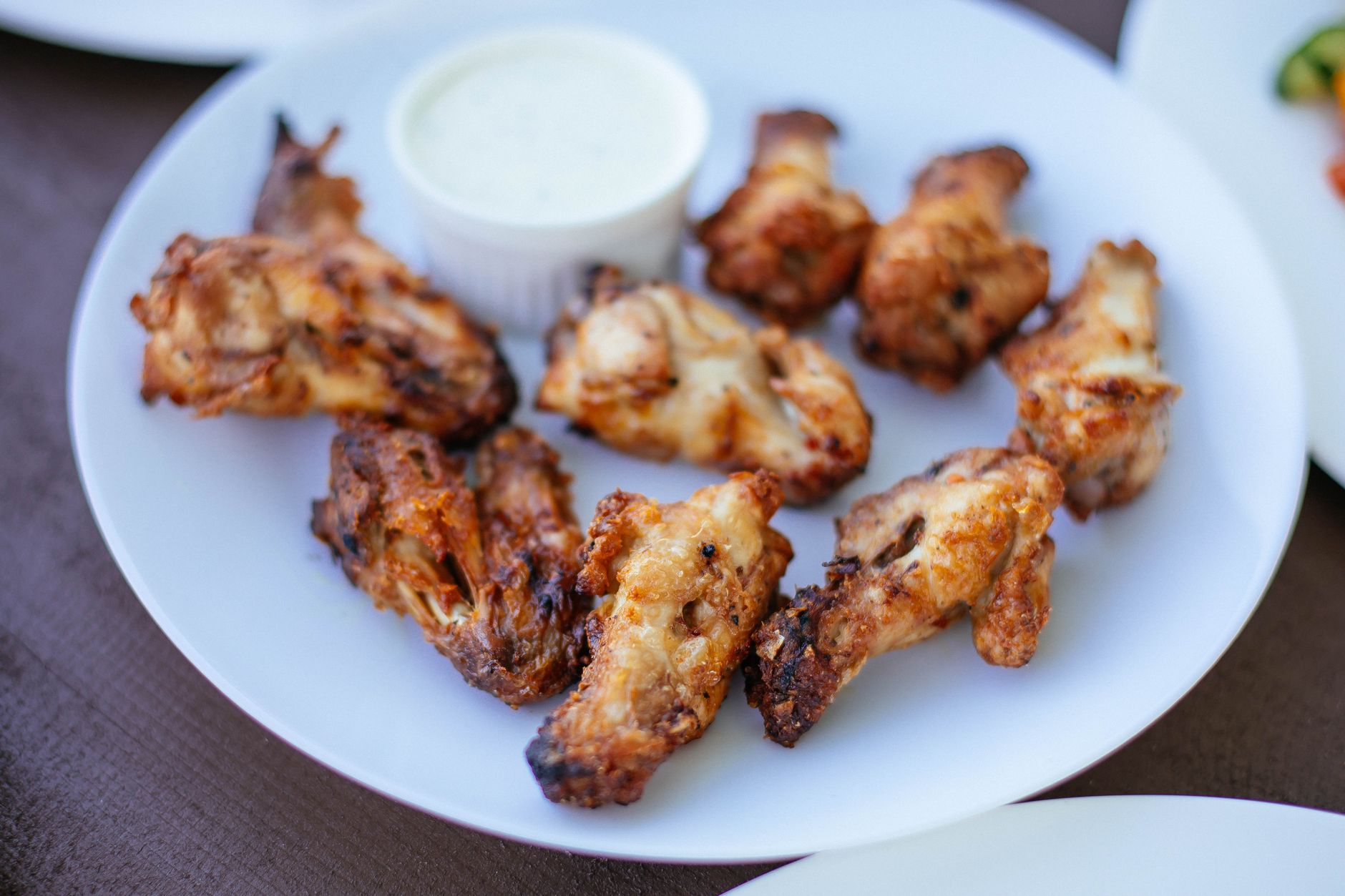
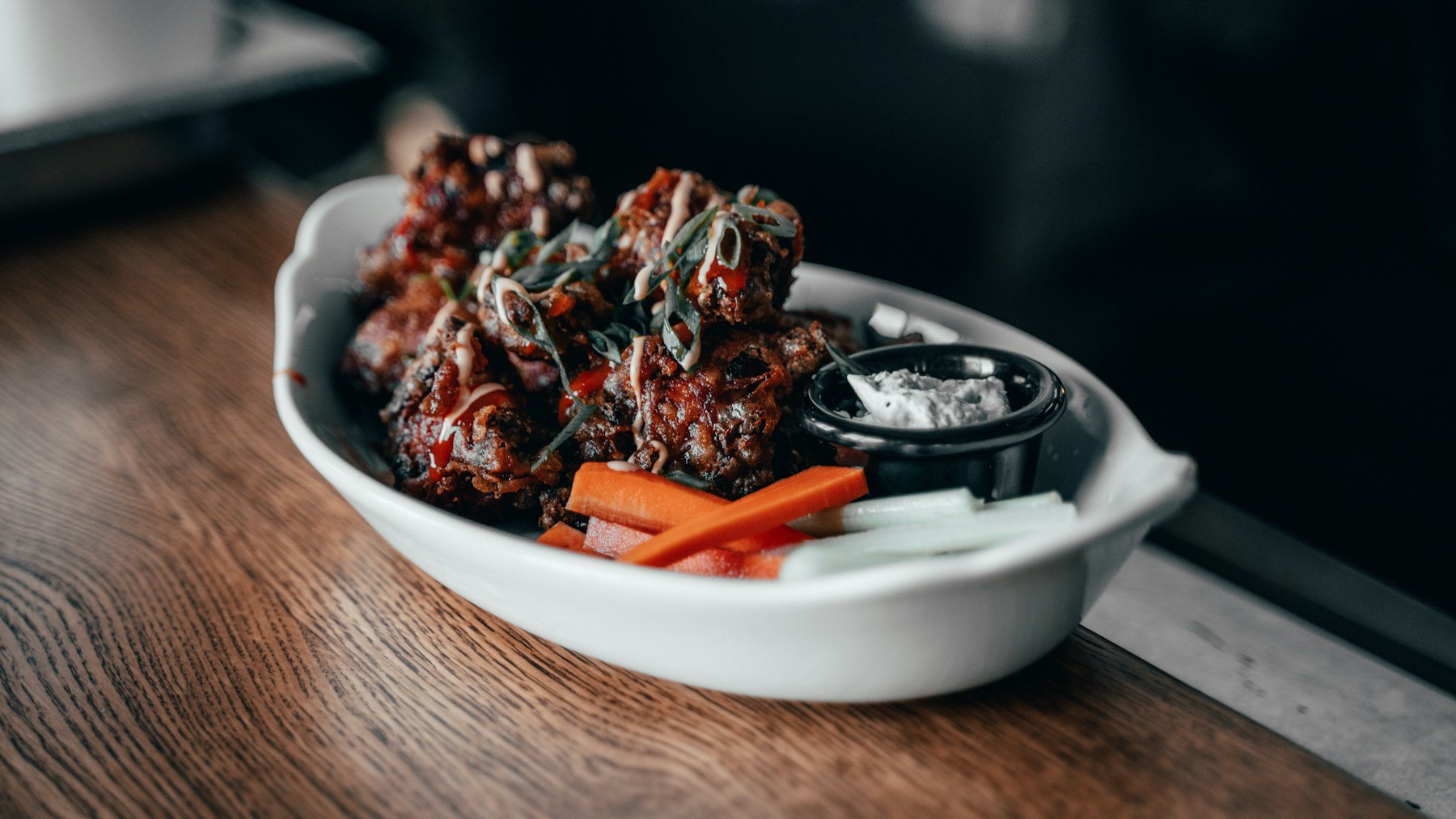
    Fried chicken wings showing both drumettes and flats
    Quick answer

    A drumette has one thick bone and more meat; a flat has two thin bones, more skin and holds more sauce. On bone-in wings you can order all drum or all flat for a small charge per ten pieces, add extra sauce or dressing, or split one order across two sauces.

    A whole chicken wing is three sections, and only two of them make it onto a plate. The drumette is the meaty piece nearest the body, shaped like a small drumstick. The flat — sometimes called the wingette — is the middle section, with two thin bones running through it. The pointed wing tip is trimmed off before cooking.

    Most orders arrive as a mix of the two, which is fine for most people. If you have a preference, though, you do not have to leave it to chance.
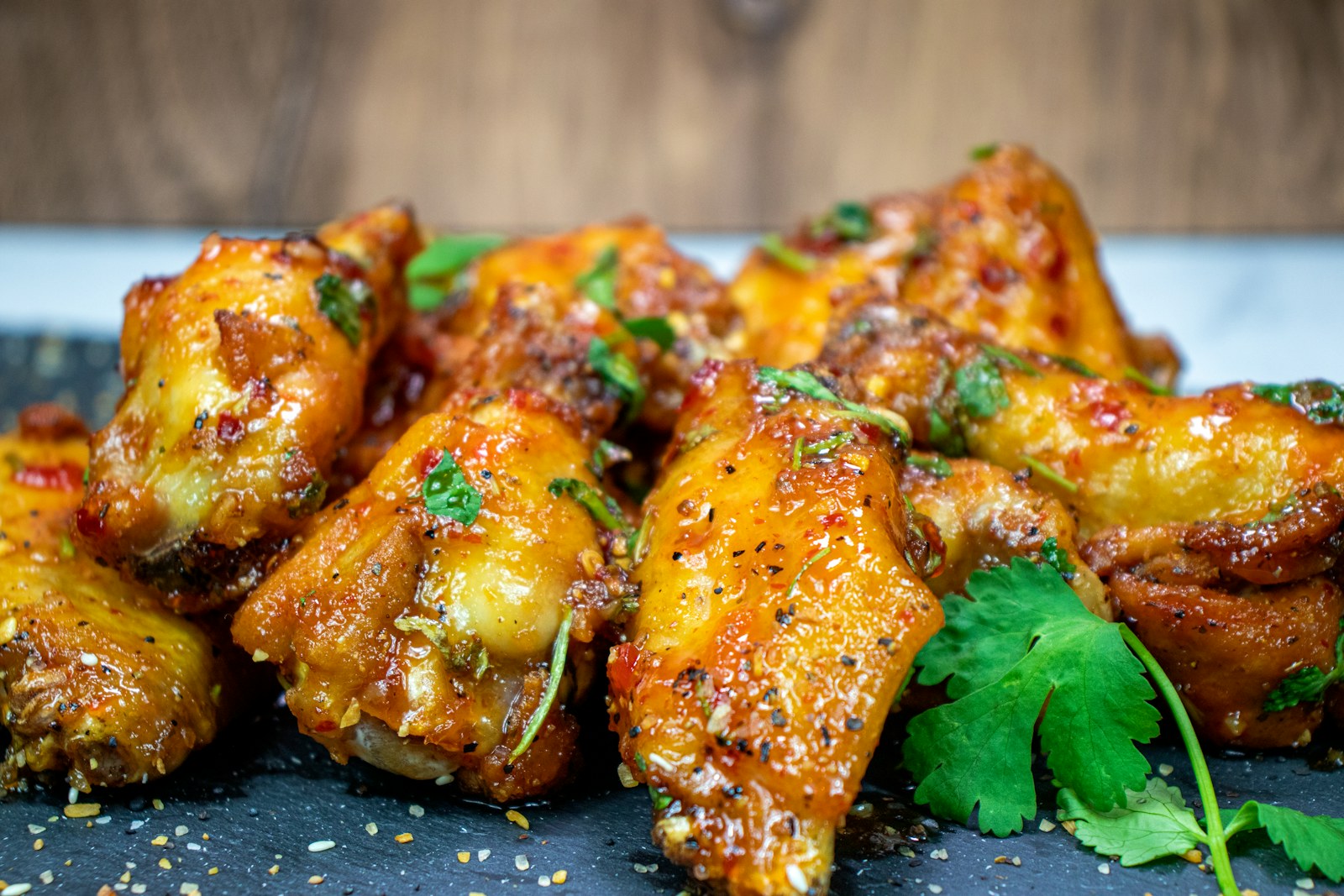
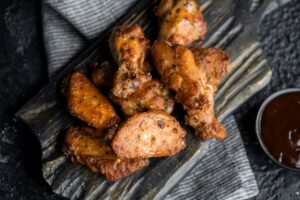
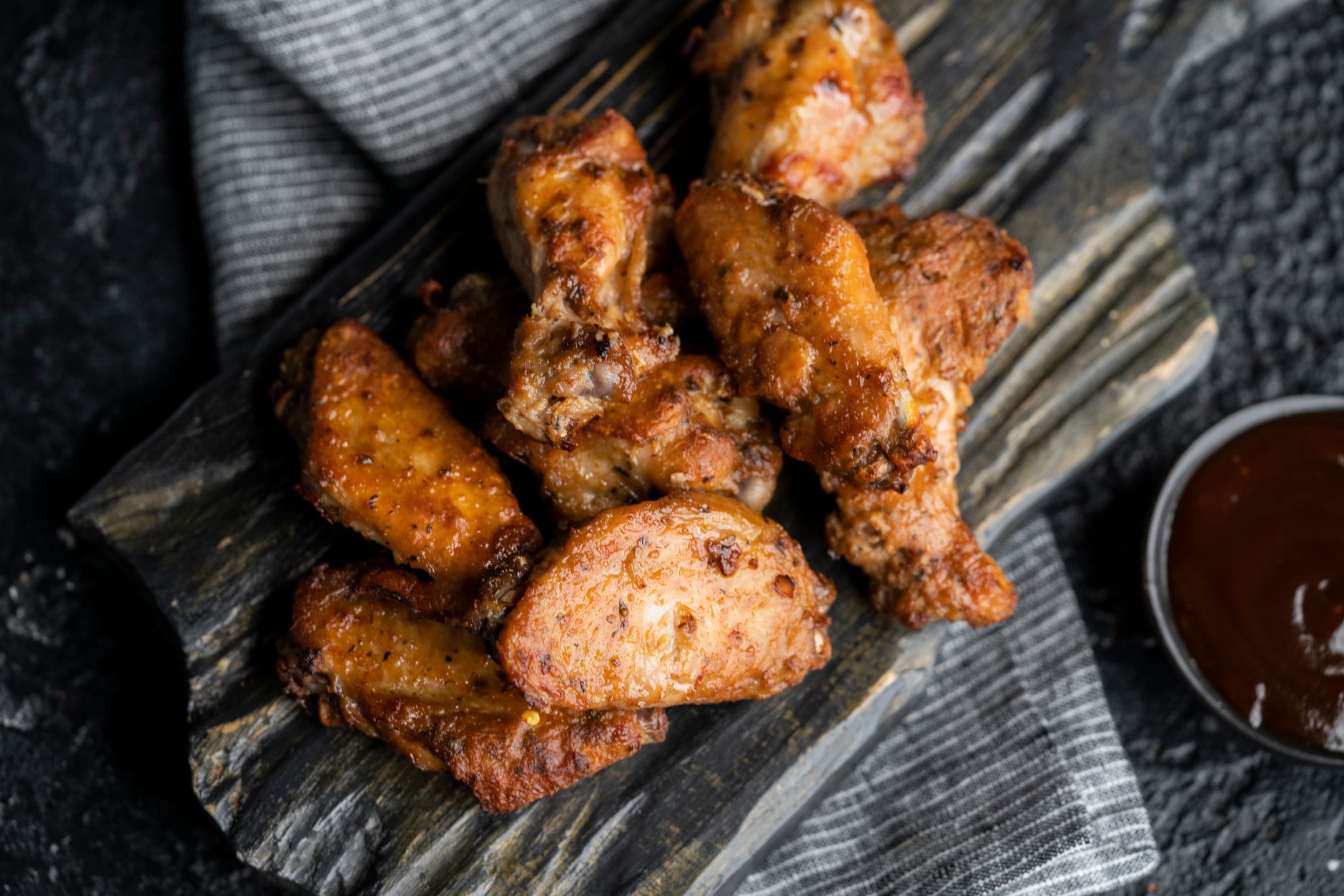
    Glazed chicken wings with drumettes and flats on a dark board
    The stubby ones are drumettes; the two-boned ones are flats.

    What actually separates them

    Both come off the same wing and cook the same way, so the difference is structural rather than culinary:

    Drumettes and flats compared
    DrumetteFlat
    ShapeOne thick bone, meat pushed to one endTwo thin bones, meat between them
    Meat per pieceMoreLess
    Skin per pieceLessMore
    Sauce it holdsLess — smoother surfaceMore — sauce collects between the bones
    How you eat itHold the end, eat it like a lollipopPull the bones out, or eat around them
    MessLowerHigher
    Best forEating standing up, feeding kidsSitting down, maximum sauce and crisp skin

    The short version: drumettes give you more meat per piece and are easier to handle. Flats give you more crisp skin and more sauce per piece, and they take more work. Neither is objectively better, which is why the argument never settles.
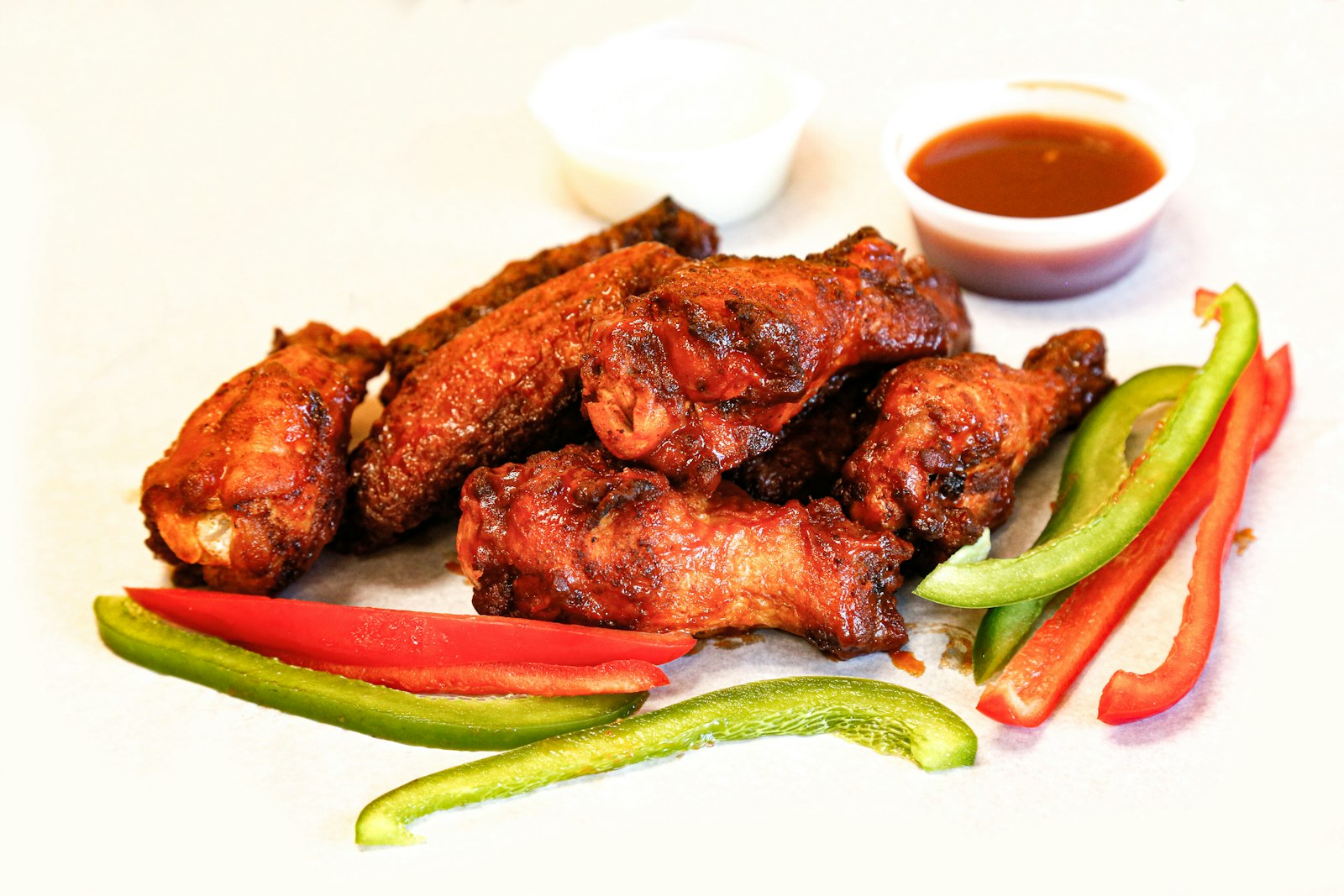
    Crispy hot wings in a basket
    More skin per piece is why flats carry more sauce.

    Yes, you can ask for all of one

    This is the part most people do not realise is on the menu. Bone-in wings can be ordered all drum or all flat for a small charge per ten pieces. It is not available on boneless, for the obvious reason that boneless wings are not wings and have no cut to choose.

    Worth doing if you know what you like. Worth skipping if you are ordering for a group, because a mixed order lets people take the piece they prefer, and there is always someone at the table on the other side of the argument.

    The other options people miss

    Three more that change the order more than the cut does:

    • Extra wet — more sauce, charged per ten pieces. Order it if you like sauce on your fingers; skip it if you want the skin to stay crisp
    • Extra dressing — an additional cup, per cup. Cheaper than running out halfway through 20 pieces
    • Split — divide one order across more than one sauce, per split. The single best option on this list for a group

    Splitting is the one worth knowing. A 20-piece split across two sauces solves the mixed-table problem completely, and it costs less than ordering two separate tens.

    Philly tip

    Ordering wings for delivery or a long drive home? Skip extra wet. Sauce keeps working on the skin inside a closed container, and wings that were crisp when they were bagged will not be crisp when you open them.

    Sauce on the wing, or on the side

    This decision does more to the wings than the cut does, and it barely gets discussed. Sauce tossed onto hot wings starts softening the skin immediately. A cup on the side keeps every piece crisp and lets each person use as much or as little as they want.

    The trade-off is coverage. Dipping puts sauce on one face of the wing; tossing gets it into the folds and between the bones, which is precisely what makes a sauced flat better than a sauced drumette.

    • Eating in, straight away — sauced is better, every time
    • Taking it home, or a group with different tastes — sauce on the side
    • A long count in one sauce — add a cup anyway, for the last few pieces
    • Kids at the table — on the side, so the heat is theirs to choose

    Sauce and dressing cups are on the menu as sides in their own right — ranch, blue cheese, honey BBQ, honey mustard, hot sauce, mild sauce, garlic sauce and several others. Adding one or two to an order costs little and does more for a shared table than an extra five pieces would.
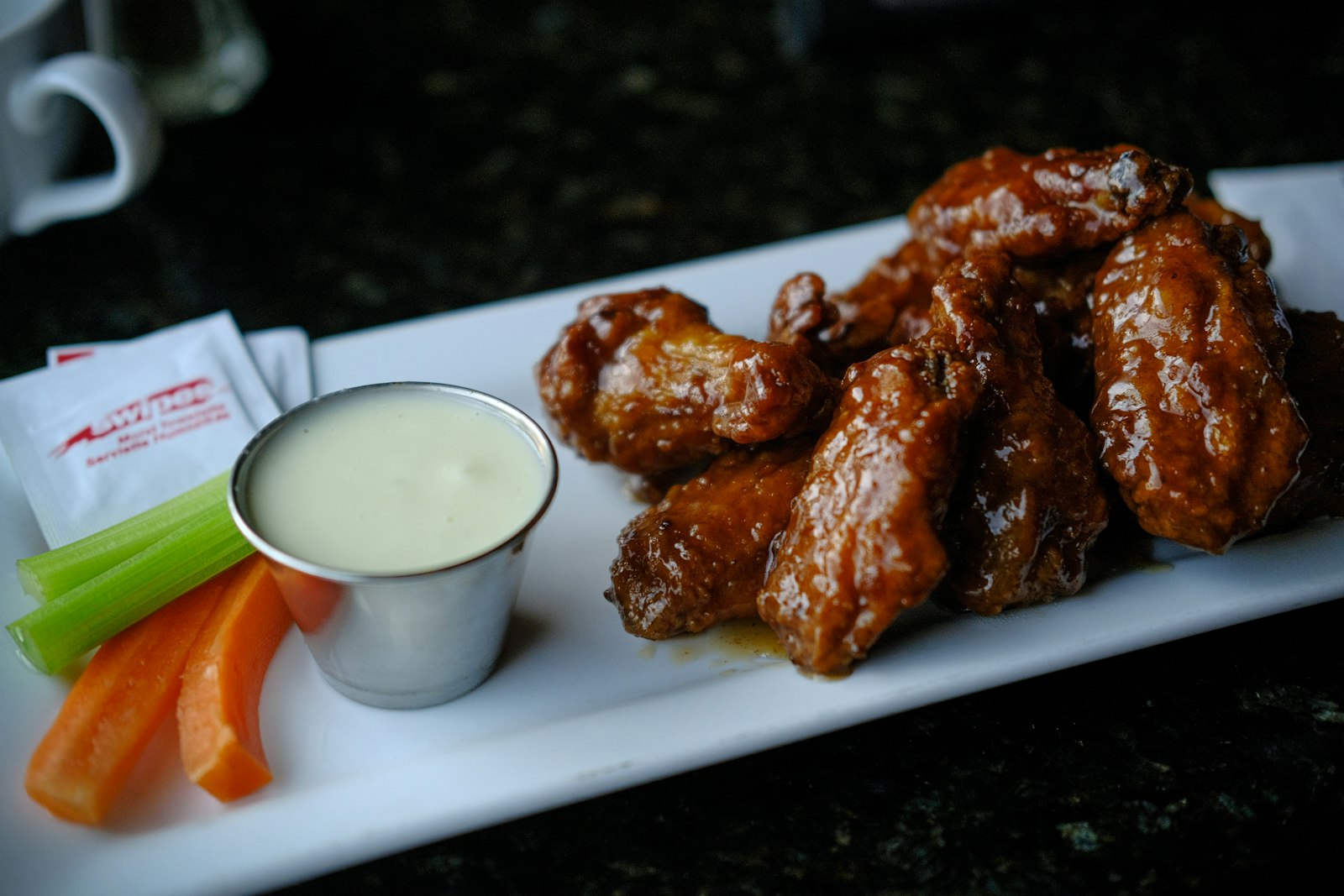
    Buffalo chicken wings served with celery and blue cheese dressing
    A cup on the side keeps the skin crisp and lets everyone set their own heat.

    How many, and in what form

    Wings here run from 5 pieces up to 200, bone-in or boneless, so the piece count is rarely the constraint. Where people go wrong is ordering one large count in one sauce for a group with different tastes.

    The very large counts exist for a reason, and it is not bravado. At 75, 100 or 200 pieces you are feeding a party or a team, and at that scale the cut stops mattering and the split becomes the whole game — a 100-piece order in a single sauce will leave half the room disappointed no matter which sauce you pick.

    If you are working out quantities rather than cuts, our guide to how many wings per person has the group-size table. If you are still deciding between bone-in and boneless at all, that comparison is here — and note that the all-drum and all-flat option only exists on the bone-in side.
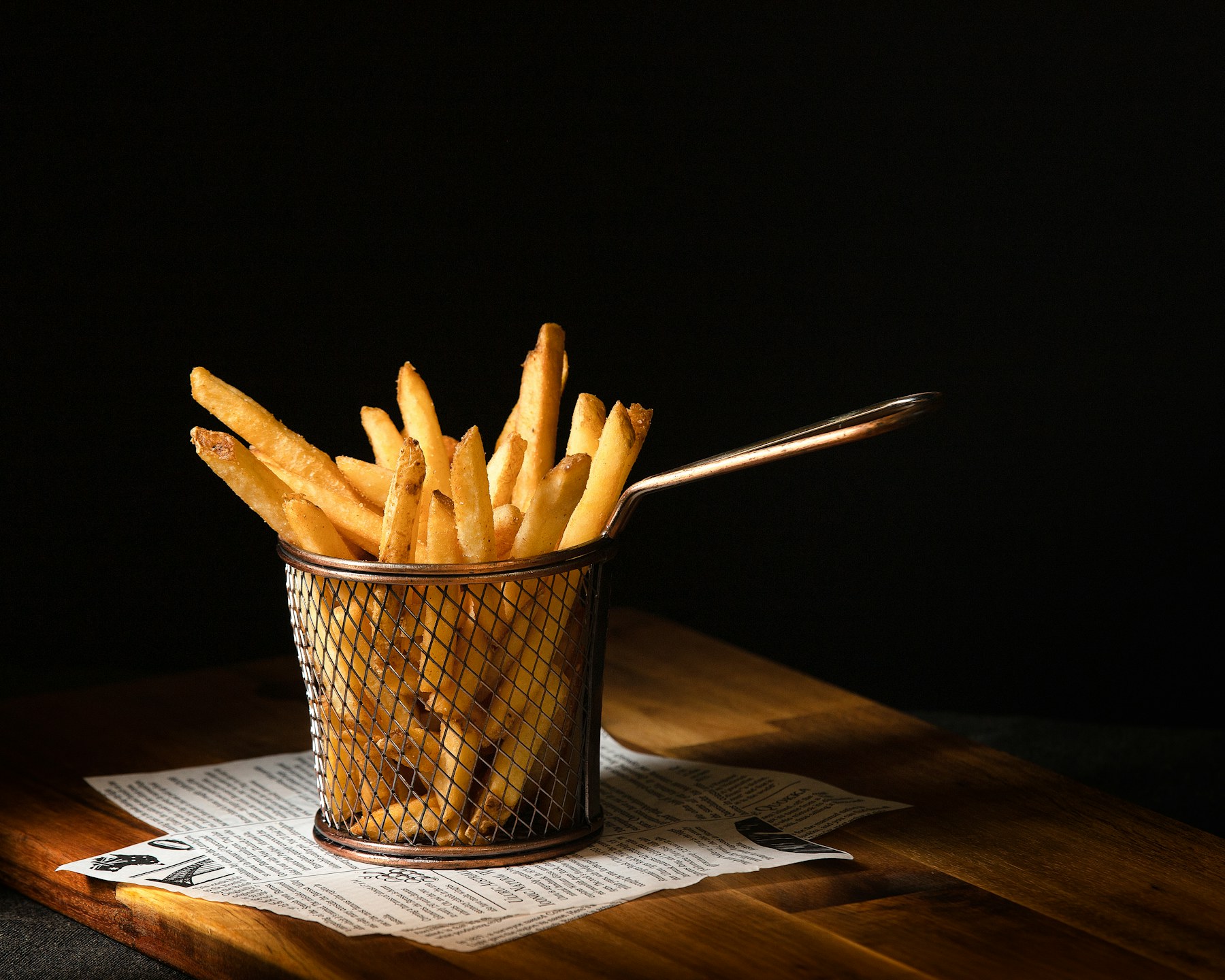
    Fries served in a wire basket
    Fries or rings alongside — the standard order either way.

    A note on cooking them at home

    If you are buying wings raw rather than ordering them, the cut matters at the prep stage too. Flats are thinner and cook through faster, so a tray mixing both will finish unevenly unless you pull the flats early. Separating them before cooking is the fix, and it is also the reason plenty of home cooks end up buying one cut only.

    Raw chicken also needs the usual care about surfaces and hand-washing — the FDA’s guidance on safe food handling covers the basics.

    The short version

    Drumettes are meatier and cleaner to eat; flats hold more sauce and more crisp skin. You can order all of either on bone-in wings, add extra sauce or dressing, or split a single order across sauces — and for a group, splitting beats choosing. It is all on the wings menu.

    Wings, cut the way you want them

    Bone-in or boneless, 5 pieces to 200, all drum or all flat on the bone-in side.
    Frequently asked questions

    What is the difference between drums and flats?

    A drumette has one thick bone and more meat; a flat has two thin bones, less meat and more skin, so it carries more sauce.

    Can you order all drums or all flats?

    Yes, on bone-in wings, for a small charge per ten pieces. It is not offered on boneless wings.

    Which is better, drums or flats?

    Drumettes are easier to eat and give more meat per piece. Flats give more crisp skin and hold more sauce. It is preference, not quality.

    What does ‘extra wet’ mean?

    More sauce on the wings, charged per ten pieces. It makes them saucier and less crisp, so it suits eating in more than taking away.

    Can you split one wing order across two sauces?

    Yes — there is a split option, charged per split. For a group it works better than ordering two separate portions.

    Philly Steak & Wings

    We serve made-to-order cheesesteaks, wings, burgers, po’boys, gyros and seafood on US Highway 98 North in Lakeland, Florida — seven days a week.

    View Our Menu

    Hungry after all that reading?
    Make it a Philly favorite.

  • What to Eat With Wings: Sides That Actually Work

    What to Eat With Wings: Sides That Actually Work

    WINGS • 3 min read

    What to Eat With Wings

    Pick one starchy side and one sharp one. Two of the same kind is the most common ordering mistake.

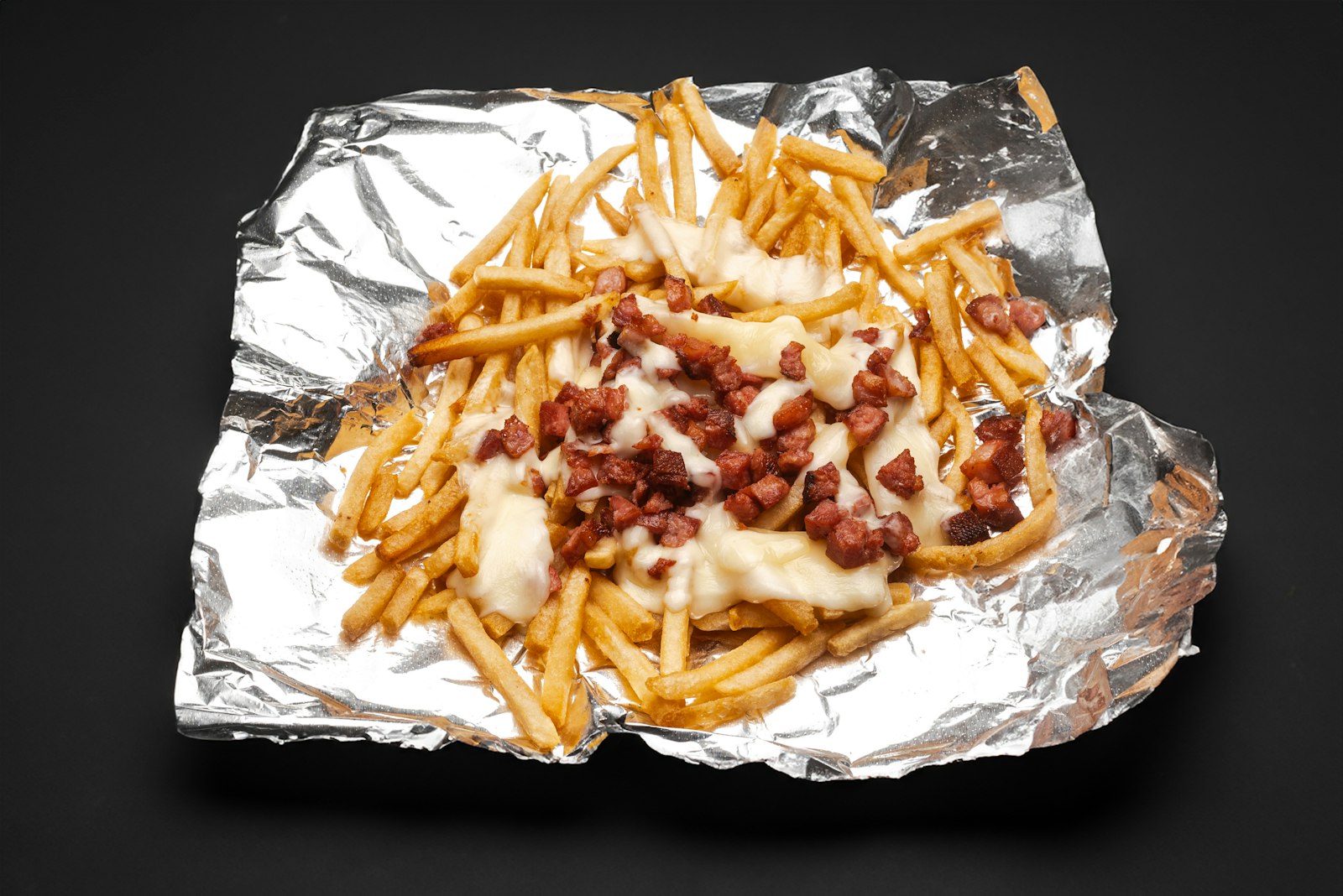
    Loaded fries topped with cheese and bacon
    Quick answer

    Order one starchy side and one sharp one. Fries and onion rings soak up sauce; something acidic like a plain salad or fried pickles resets your palate between pieces. Past about 30 wings, variety matters more than volume.

    The short version: pick one starchy side and one sharp one. Wings are rich, salty and sauced, so what works alongside them is either something that soaks up sauce — fries, rings, anything fried — or something acidic that resets your palate between pieces. Ordering two of the same kind is the most common mistake, and it makes a large order feel heavier than it needs to.

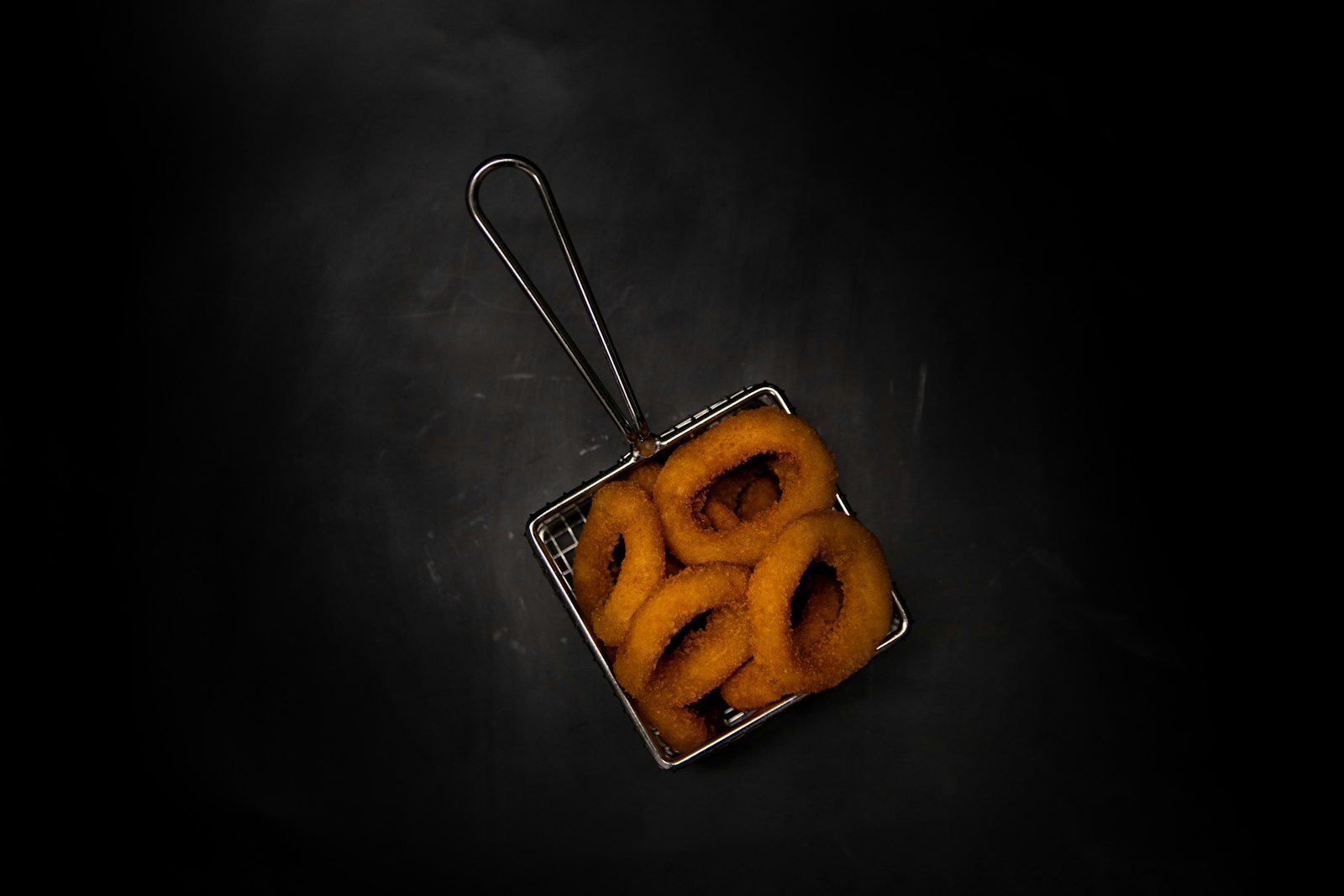
    Golden battered onion rings
    Onion rings hold their crunch alongside sauced wings better than most sides.

    The sides that actually work

    Fries, in every form

    The default for a reason. Plain fries stay neutral against a strong sauce; cheese fries and loaded fries push the meal in a richer direction, which is great for two people sharing but heavy if you’ve already ordered a big wing count.

    Onion rings

    The better choice if you want something fried that doesn’t taste like more of the same. The sweetness of the onion cuts through hot sauce in a way potato doesn’t.

    Something sharp

    A plain house or Caesar salad is underrated next to wings. It does the job celery traditionally does, at a scale that actually matters when you’re eating twenty pieces.

    Mozzarella sticks served with marinara sauce
    Mozzarella sticks work best as a small addition, not a second main.

    Matching the side to the order size

    What to order alongside wings
    Wing orderBest sideWhy
    5–10 pcs (one person)Regular friesTurns wings into a full meal without overloading it
    15–20 pcs (two people)Loaded fries or ringsOne shareable side is enough for two
    30–50 pcs (group)Fries plus one sharp sideVariety matters more than volume once you pass 30 pieces
    75+ pcs (party)Two or three different sidesRepetition is the enemy at this scale
    Wings as a starterNothingSave the appetite for whatever follows

    What we actually have

    Beyond fries and rings, the fried side of the menu runs to mozzarella sticks, fried pickles, fried okra, fried mushrooms, corn nuggets, chicken nuggets, chicken fingers, gyoza and fried donuts. There are also salads if you want the sharp counterpoint rather than more fried food.

    • French fries — the neutral default
    • Loaded fries — a meal in themselves for two
    • Cheese fries — richer, best with a smaller wing count
    • Onion rings — the best fried side for cutting through sauce
    • Fried pickles — acidic, and the most underrated option here
    • House or Caesar salad — the reset button on a big order

    You can see everything on the appetizers and sides menu.

    Fries served in a wire basket
    Plain fries stay out of the way of a strong sauce.
    Philly tip

    Feeding a group? Order one fried side and one sharp one rather than two fried. People eat noticeably more wings when there is something acidic on the table.

    What about drinks and dips?

    Something cold and carbonated does more for a plate of hot wings than anything else on the table. On dips, the useful rule is contrast: if the wings are already sweet, a plain creamy dip works better than another sweet sauce.

    If you haven’t settled on a wing style yet, our comparison of bone-in and boneless wings is worth a look first — boneless pieces are more filling, so they change how much side you need.

    Fresh garden salad in a bowl
    A plain salad does the job celery is supposed to do, at a useful scale.

    A note on fries

    The fried potato has a longer and more disputed history than its status as a default side suggests, with both Belgium and France laying claim to it. Britannica has a short entry on french fries covering the argument.

    Build the rest of the order

    Wings scale from 5 to 200 pieces, with a full fried menu alongside.

    Frequently asked questions

    What is the best side to order with wings?

    Fries are the safe default. Onion rings are the better pick if you want something fried that doesn’t taste like more of the same.

    Should I order more than one side for a group?

    Past about 30 wings, yes — variety matters more than volume. One fried side and one sharp one works better than two fried.

    Do I need celery and dip with wings?

    Not necessarily. The point of celery is contrast, and a plain salad or a sharp side does the same job at a more useful size.

    Are loaded fries too much alongside wings?

    For one person, usually. For two sharing, they work well and remove the need for a second main.

    Philly Steak & Wings

    We serve made-to-order cheesesteaks, wings, burgers, po’boys, gyros and seafood on US Highway 98 North in Lakeland, Florida — seven days a week.

    View Our Menu

    Hungry after all that reading?
    Make it a Philly favorite.

  • Bone-In vs Boneless Wings: How to Choose

    Bone-In vs Boneless Wings: How to Choose

    WINGS • 5 min read

    Bone-In vs Boneless Wings

    Two different foods that share a sauce list. Here’s how they actually differ, and which one suits how you’re eating.

    Sauced chicken wings served in a bowl
    Quick answer

    Bone-in wings are the traditional cut — crisp skin and meat around the bone, with sauce collecting in the folds. Boneless wings are breaded pieces of chicken breast, easier to eat and generally more meat per piece. Both take the same sauces, and both are on our menu at every piece count.

    Both styles land on the same table every day, and the choice is less about which is “better” than about how you plan to eat them. Bone-in wings are the original — jointed sections of the chicken wing, fried with the bone in, which keeps the meat moist and adds flavour as it cooks. Boneless wings are chunks of breast meat, breaded and fried, then sauced the same way. At Philly Steak & Wings both are offered across the same piece counts, so the decision comes down to texture, mess and how you’re sharing.

    Crispy sauced chicken wings served in a basket
    Bone-in wings hold sauce in the crevices around the joint.

    What actually separates the two

    A bone-in wing is one of two sections — the drumette or the flat — cut from the whole wing. The bone conducts heat from the inside as the wing fries, and the connective tissue around it renders down, which is where a lot of the richness comes from. The skin crisps and holds sauce in the folds.

    Boneless wings are not wings at all in the anatomical sense. They’re bite-sized pieces of chicken breast, battered and fried, then tossed in the same sauces. Because the surface is smooth and uniform, sauce coats the outside evenly rather than pooling in crevices. They eat more like a tender than a wing.

    Texture

    Bone-in gives you two textures in one bite: crisp skin against softer meat. Boneless is more consistent — a crunchy coating over lean, even meat. If you like the contrast of skin, bone-in is the one. If you find skin off-putting, boneless removes that question entirely.

    Eating them

    Bone-in takes hands, napkins and somewhere to put the bones. Boneless can be eaten with a fork, which matters more than people expect — at a desk, in a car, or when you’re feeding a group standing up.

    Bone-in and boneless wings compared
    Bone-in wingsBoneless wings
    What it isDrumettes and flats from the wingBreaded pieces of chicken breast
    TextureCrisp skin, moist meat, some chewEven crunch, lean and tender throughout
    How sauce sitsCollects in the folds and around the jointCoats the surface evenly
    EatingHands, napkins, a bone pileFork-friendly, no bones
    Best forTraditionalists, sit-down eating, sports nightsKids, sharing platters, eating on the move
    Meat per pieceLess, and it varies by drumette or flatMore, and consistent piece to piece

    Which one gives you more to eat?

    Piece for piece, boneless usually delivers more meat, because you’re getting solid breast with no bone. That’s worth knowing when you’re comparing counts: ten boneless pieces will generally feel more filling than ten bone-in wings. If you’re ordering for someone with a big appetite and you want predictability, boneless is the safer count.

    That said, bone-in fans will tell you the bone is the point — it keeps the meat from drying out, and gnawing a flat clean is part of the experience. Neither view is wrong. They’re different foods that happen to share a sauce list.

    Platter of chicken wings served with celery and dipping sauce
    Wings are ordered by piece count, from a small portion up to party-sized trays.

    Ordering either style in Lakeland

    Our wings menu runs both bone-in and boneless across the same range of piece counts, from a single-person portion up to large party trays, so you can mix formats for a group without changing the sauce you like. Because both styles are available at every count, the practical move for a mixed group is simple: split the order rather than trying to pick a winner.

    Wings are cooked to order here, which is why they arrive hot rather than holding under a lamp — but it also means a very large tray takes longer than a small one. If you’re ordering for a crowd, call ahead.

    Not sure how much to get? Our guide to working out how many wings to order per person breaks it down by group size and by whether wings are the meal or just part of it.

    What to eat alongside them

    Wings on their own get monotonous quickly, and the usual fix is something starchy and something sharp. Fries and onion rings both do the job; loaded fries turn wings into a full meal for two without ordering a second main. If you’d rather balance the heat, a plain house or Caesar salad cuts through sauce better than most people give it credit for.

    You can see the full range of fried sides on our appetizers and sides menu, and if you’re feeding a group it’s worth looking at the cheesesteak options too — a mixed order of wings and Phillys covers more preferences than either alone.

    Chicken wings with dipping sauce on a dark serving board
    Both styles take the same sauces, so a mixed order keeps everyone happy.

    A note on cooking them at home

    If you do fry wings yourself, the temperature that matters is internal, not the timer. Poultry should reach a safe internal temperature all the way through, and the USDA safe minimum internal temperature chart is the reference worth using rather than judging by colour. Boneless pieces cook faster than bone-in, which is the most common reason home batches come out unevenly done.

    The short answer

    Choose bone-in if you want crisp skin, richer flavour and don’t mind the mess. Choose boneless if you want consistent meat, a fork, and no bones to deal with. Since both come in every piece count on our menu, a split order is usually the right call for more than two people.

    Craving wings in Lakeland?

    Both bone-in and boneless are on the menu at every piece count, from a single portion up to party trays.

    Frequently asked questions

    Are boneless wings healthier than bone-in?

    Not necessarily. Boneless wings are leaner meat but carry more breading, and both styles are fried and sauced. The difference is smaller than it looks.

    Which style is better for a party?

    Boneless is easier to eat standing up and produces no bone waste, which makes it the simpler choice for a crowd. Many groups order both.

    Do bone-in and boneless take the same sauces?

    Yes. The sauce list is the same for both, so you can order the same flavour in either style.

    How many wings is a normal portion for one person?

    As a main course, most adults land somewhere between six and ten pieces, depending on sides. Our wing quantity guide covers group ordering in more detail.

    Philly Steak & Wings

    We serve made-to-order cheesesteaks, wings, burgers, po’boys, gyros and seafood on US Highway 98 North in Lakeland, Florida — seven days a week.

    View Our Menu

    Hungry after all that reading?
    Make it a Philly favorite.