WINGS • 5 min read
Bone-In vs Boneless Wings
Two different foods that share a sauce list. Here’s how they actually differ, and which one suits how you’re eating.
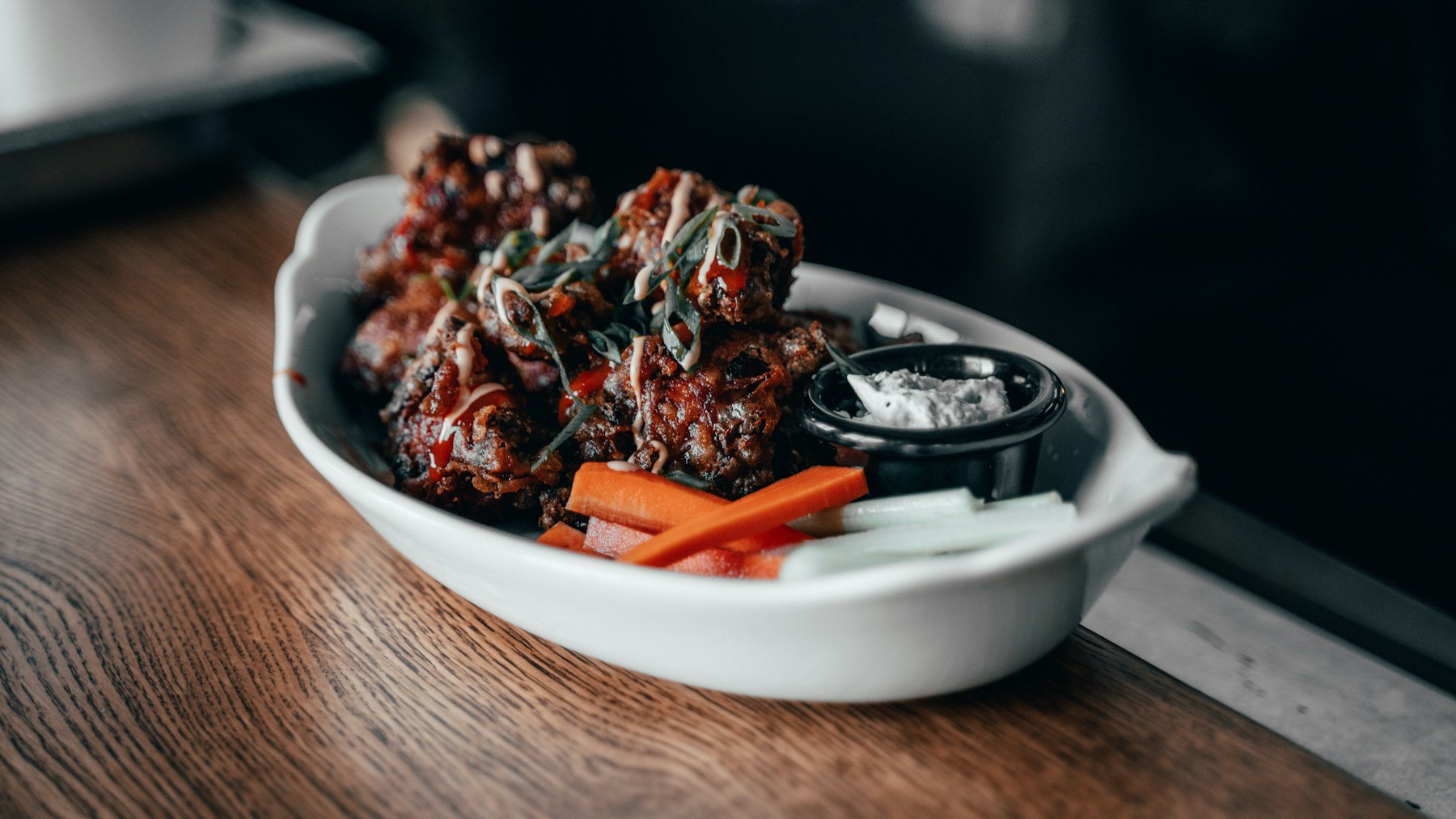
Bone-in wings are the traditional cut — crisp skin and meat around the bone, with sauce collecting in the folds. Boneless wings are breaded pieces of chicken breast, easier to eat and generally more meat per piece. Both take the same sauces, and both are on our menu at every piece count.
Both styles land on the same table every day, and the choice is less about which is “better” than about how you plan to eat them. Bone-in wings are the original — jointed sections of the chicken wing, fried with the bone in, which keeps the meat moist and adds flavour as it cooks. Boneless wings are chunks of breast meat, breaded and fried, then sauced the same way. At Philly Steak & Wings both are offered across the same piece counts, so the decision comes down to texture, mess and how you’re sharing.
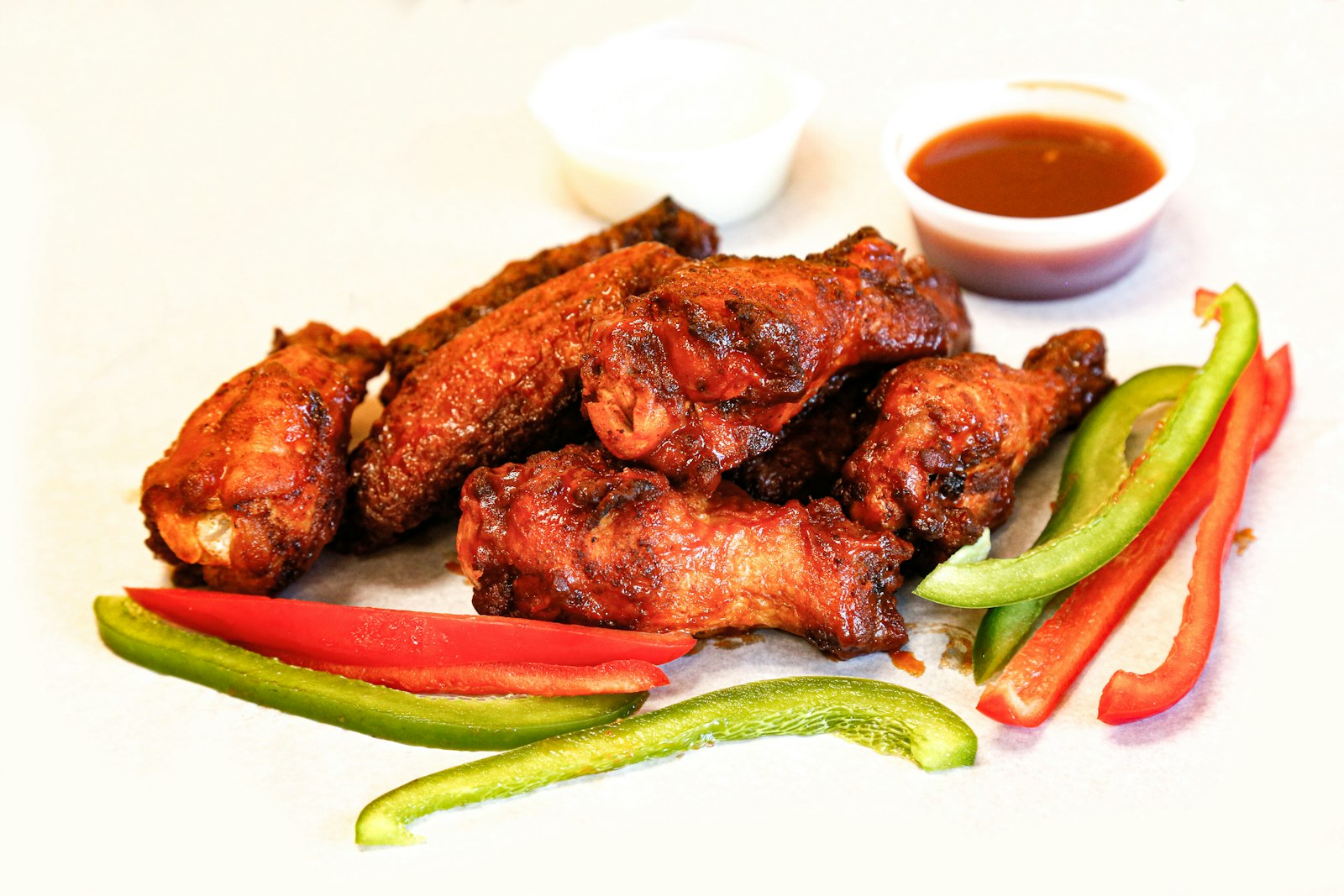
What actually separates the two
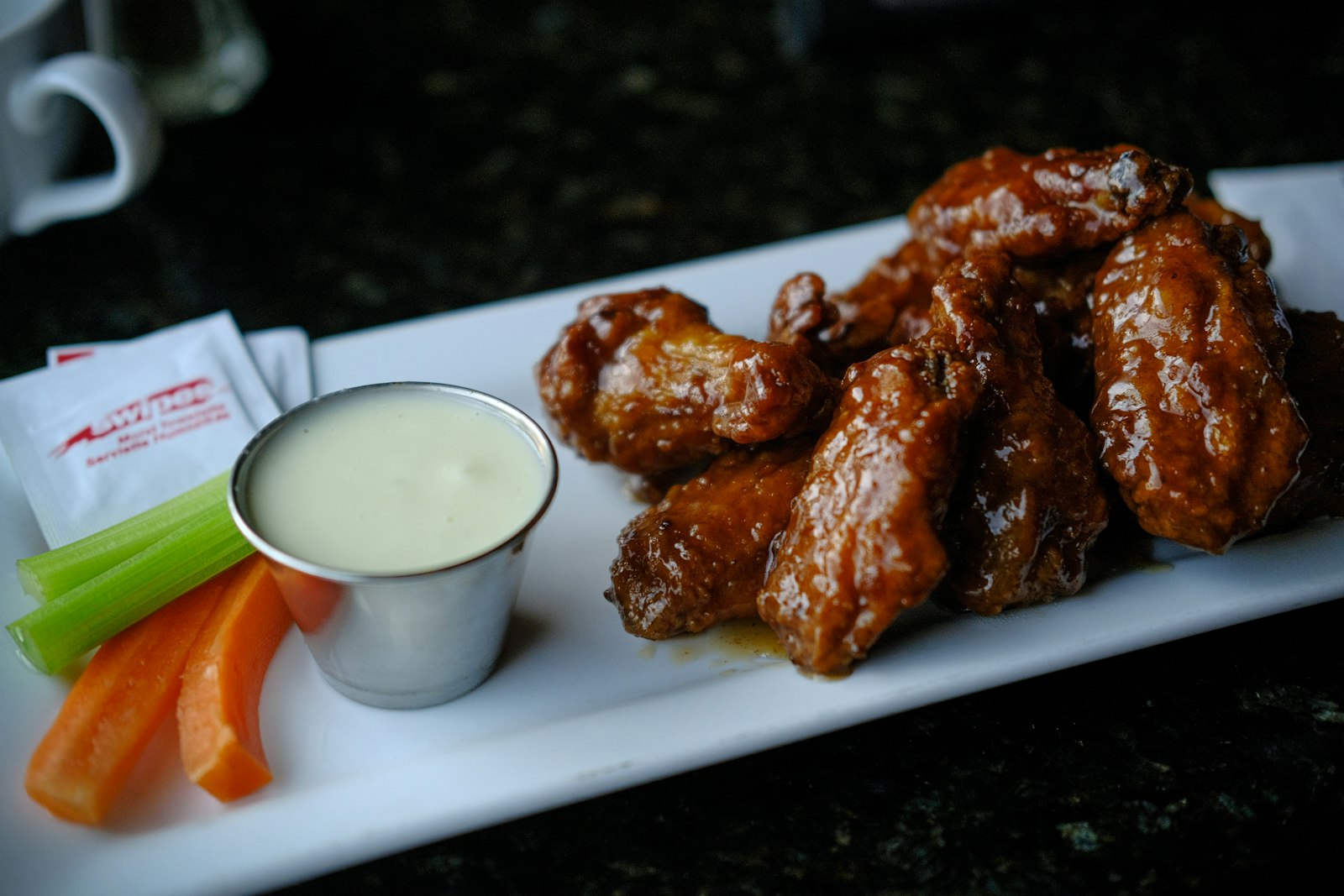
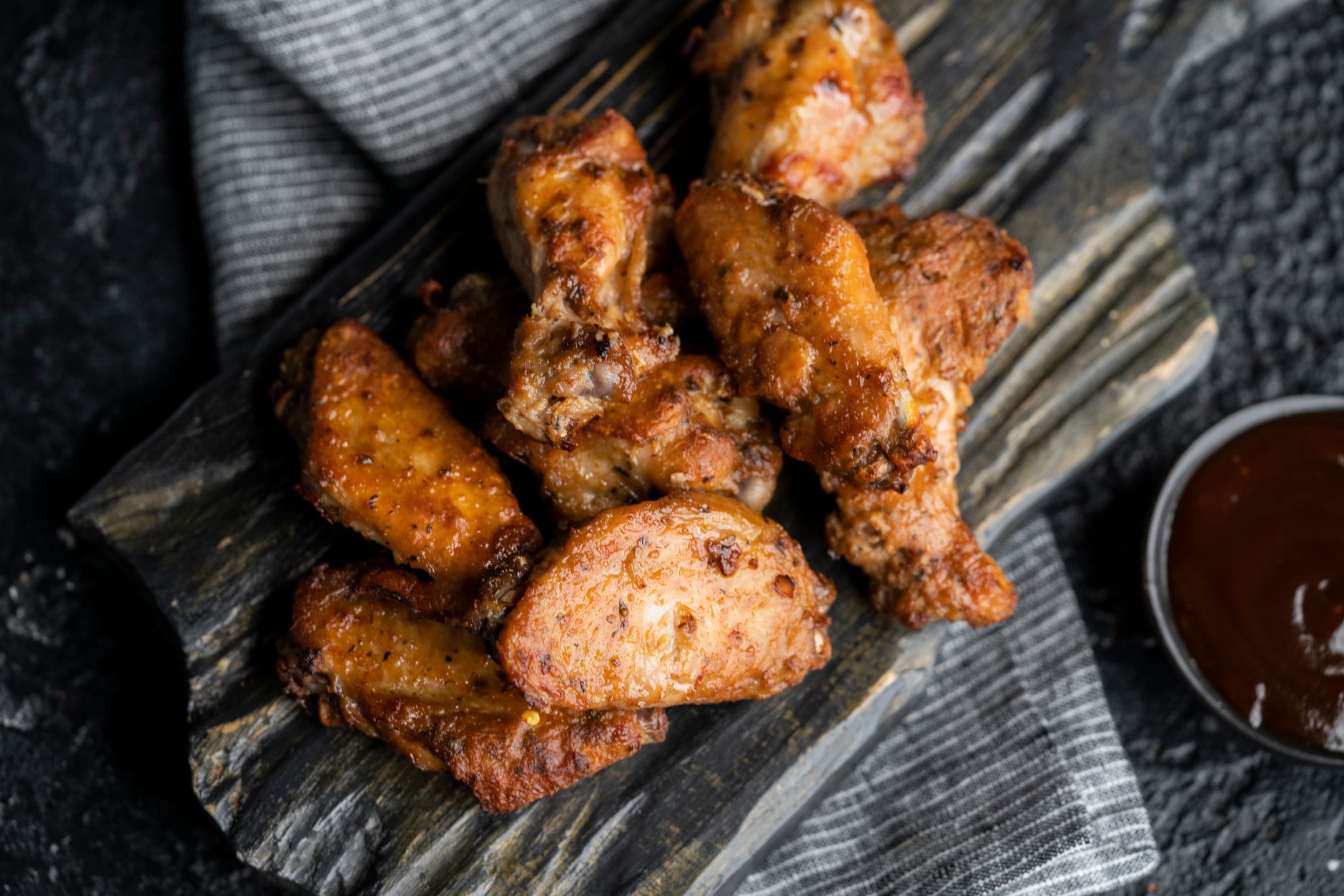
A bone-in wing is one of two sections — the drumette or the flat — cut from the whole wing. The bone conducts heat from the inside as the wing fries, and the connective tissue around it renders down, which is where a lot of the richness comes from. The skin crisps and holds sauce in the folds.
Boneless wings are not wings at all in the anatomical sense. They’re bite-sized pieces of chicken breast, battered and fried, then tossed in the same sauces. Because the surface is smooth and uniform, sauce coats the outside evenly rather than pooling in crevices. They eat more like a tender than a wing.
Texture
Bone-in gives you two textures in one bite: crisp skin against softer meat. Boneless is more consistent — a crunchy coating over lean, even meat. If you like the contrast of skin, bone-in is the one. If you find skin off-putting, boneless removes that question entirely.
Eating them
Bone-in takes hands, napkins and somewhere to put the bones. Boneless can be eaten with a fork, which matters more than people expect — at a desk, in a car, or when you’re feeding a group standing up.
| Bone-in wings | Boneless wings | |
|---|---|---|
| What it is | Drumettes and flats from the wing | Breaded pieces of chicken breast |
| Texture | Crisp skin, moist meat, some chew | Even crunch, lean and tender throughout |
| How sauce sits | Collects in the folds and around the joint | Coats the surface evenly |
| Eating | Hands, napkins, a bone pile | Fork-friendly, no bones |
| Best for | Traditionalists, sit-down eating, sports nights | Kids, sharing platters, eating on the move |
| Meat per piece | Less, and it varies by drumette or flat | More, and consistent piece to piece |
Which one gives you more to eat?
Piece for piece, boneless usually delivers more meat, because you’re getting solid breast with no bone. That’s worth knowing when you’re comparing counts: ten boneless pieces will generally feel more filling than ten bone-in wings. If you’re ordering for someone with a big appetite and you want predictability, boneless is the safer count.
That said, bone-in fans will tell you the bone is the point — it keeps the meat from drying out, and gnawing a flat clean is part of the experience. Neither view is wrong. They’re different foods that happen to share a sauce list.
Ordering either style in Lakeland
Our wings menu runs both bone-in and boneless across the same range of piece counts, from a single-person portion up to large party trays, so you can mix formats for a group without changing the sauce you like. Because both styles are available at every count, the practical move for a mixed group is simple: split the order rather than trying to pick a winner.
Wings are cooked to order here, which is why they arrive hot rather than holding under a lamp — but it also means a very large tray takes longer than a small one. If you’re ordering for a crowd, call ahead.
Not sure how much to get? Our guide to working out how many wings to order per person breaks it down by group size and by whether wings are the meal or just part of it.
What to eat alongside them
Wings on their own get monotonous quickly, and the usual fix is something starchy and something sharp. Fries and onion rings both do the job; loaded fries turn wings into a full meal for two without ordering a second main. If you’d rather balance the heat, a plain house or Caesar salad cuts through sauce better than most people give it credit for.
You can see the full range of fried sides on our appetizers and sides menu, and if you’re feeding a group it’s worth looking at the cheesesteak options too — a mixed order of wings and Phillys covers more preferences than either alone.
A note on cooking them at home
If you do fry wings yourself, the temperature that matters is internal, not the timer. Poultry should reach a safe internal temperature all the way through, and the USDA safe minimum internal temperature chart is the reference worth using rather than judging by colour. Boneless pieces cook faster than bone-in, which is the most common reason home batches come out unevenly done.
The short answer
Choose bone-in if you want crisp skin, richer flavour and don’t mind the mess. Choose boneless if you want consistent meat, a fork, and no bones to deal with. Since both come in every piece count on our menu, a split order is usually the right call for more than two people.
Craving wings in Lakeland?
Both bone-in and boneless are on the menu at every piece count, from a single portion up to party trays.

Frequently asked questions
Are boneless wings healthier than bone-in?
Not necessarily. Boneless wings are leaner meat but carry more breading, and both styles are fried and sauced. The difference is smaller than it looks.
Which style is better for a party?
Boneless is easier to eat standing up and produces no bone waste, which makes it the simpler choice for a crowd. Many groups order both.
Do bone-in and boneless take the same sauces?
Yes. The sauce list is the same for both, so you can order the same flavour in either style.
How many wings is a normal portion for one person?
As a main course, most adults land somewhere between six and ten pieces, depending on sides. Our wing quantity guide covers group ordering in more detail.