WINGS • 5 min read
Boneless, Fingers or Nuggets?
Three breaded chicken items, the same bird, and a difference that is not obvious from the names.
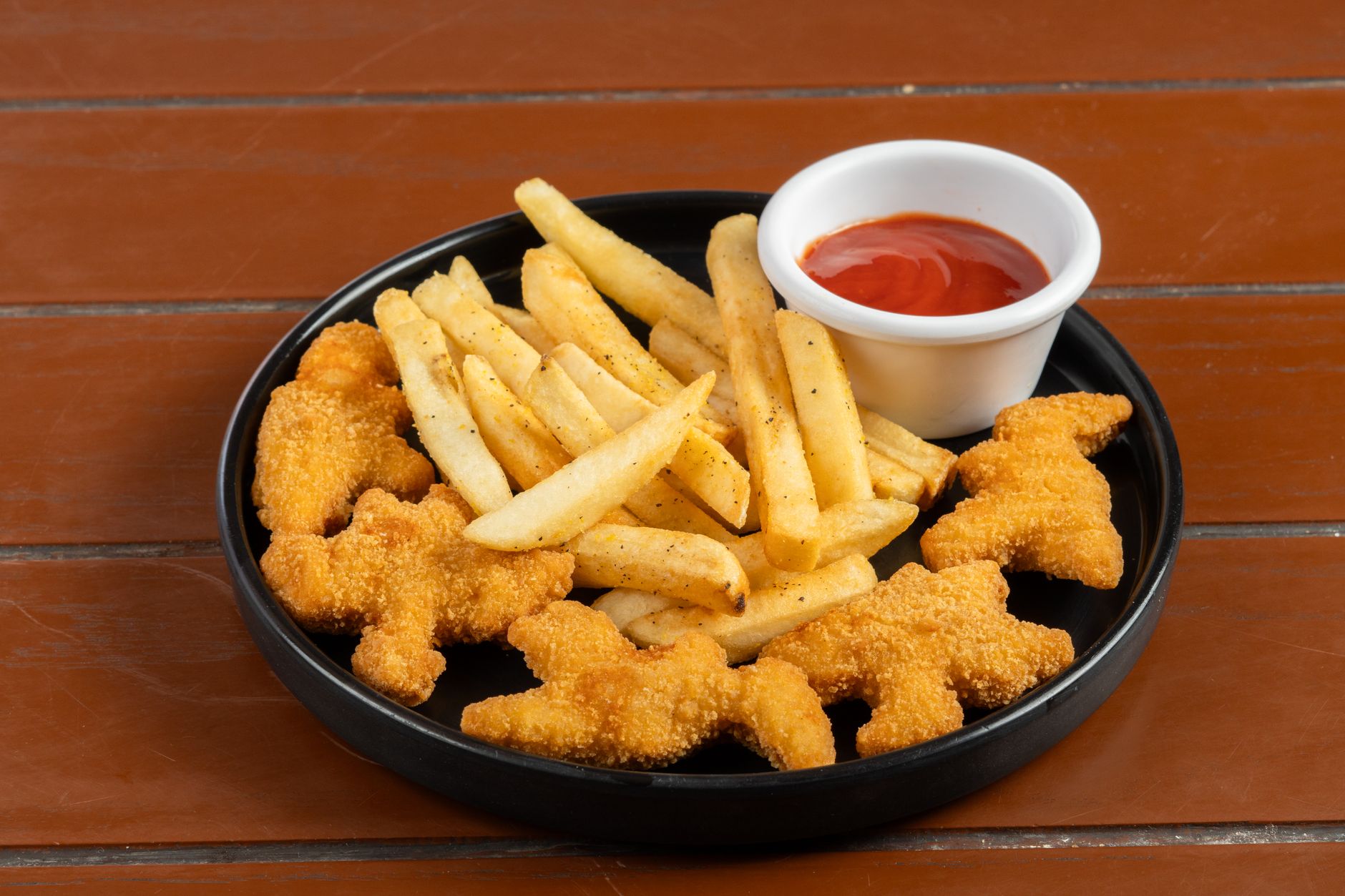
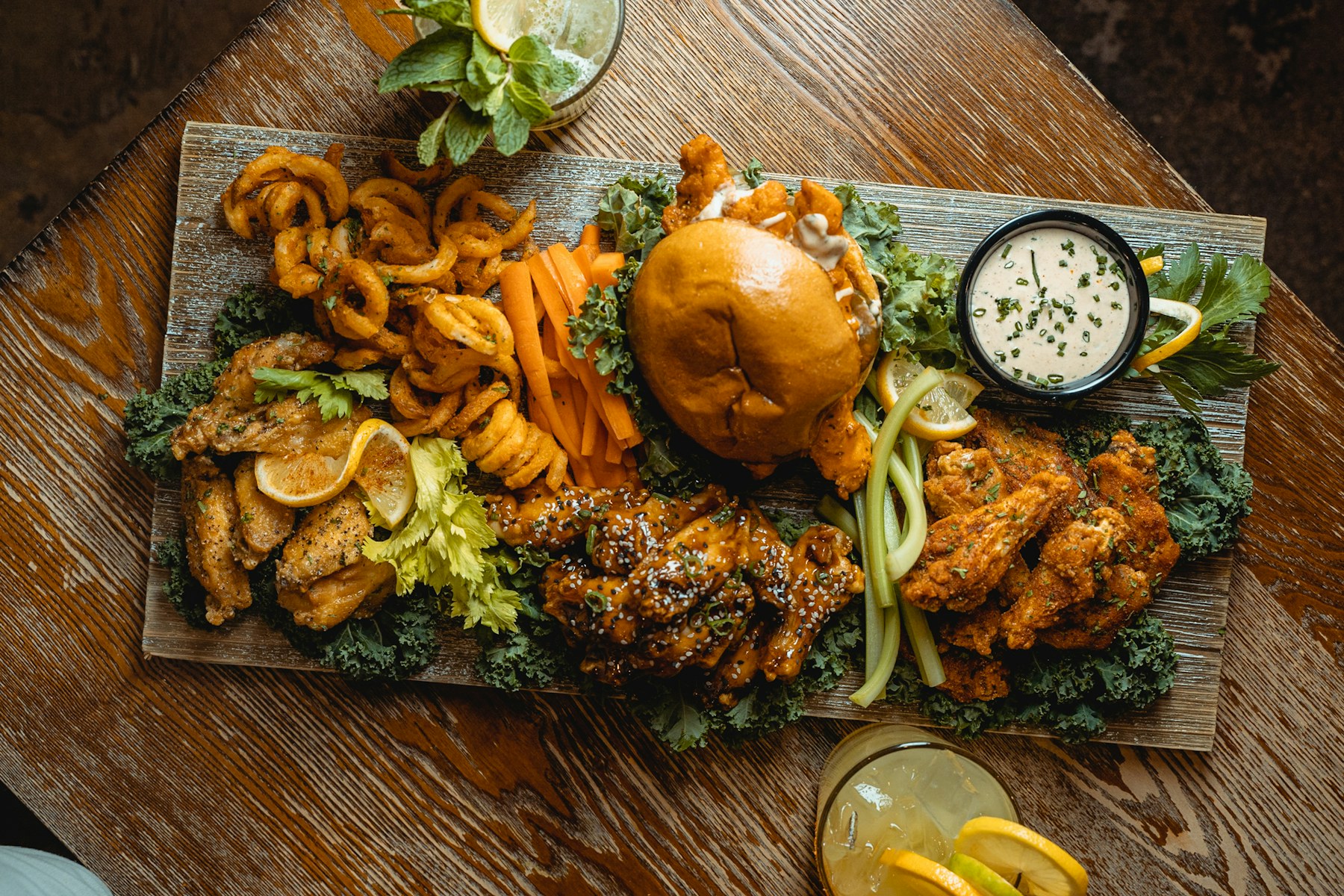
Boneless wings are bite-sized pieces that come sauced and scale from 5 to 200; chicken fingers are five whole strips with the most chicken and least coating; nuggets are twelve small pieces that share the furthest. Only boneless can be split across sauces.
Three items on this menu are breaded pieces of chicken, and the difference between them is not obvious from the names. Boneless wings, chicken fingers and chicken nuggets are made from the same bird and cooked the same way — what changes is the size of the piece and what is done to it afterwards.
Which one you want depends less on taste than on what you are doing with it.
What each one actually is
| Boneless wings | Chicken fingers | Chicken nuggets | |
|---|---|---|---|
| Piece | Bite-sized chunks | Whole strips | Small pieces |
| Portion | 5 pieces up to 200 | 5 to a portion | 12 to a portion |
| Sauced? | Yes, in your choice of sauce | No | No |
| Coating per bite | Moderate | Least | Most |
| Eats | Like wings, without the work | Like a small meal | Like a snack |
| Best for | A wing order without bones | Someone properly hungry | Sharing, and children |
The row that decides most orders is the third one. Boneless wings are the only one of the three that comes sauced, which puts them in a different category entirely — they are a wings order, and the other two are appetizers.
Are boneless wings just chicken nuggets?
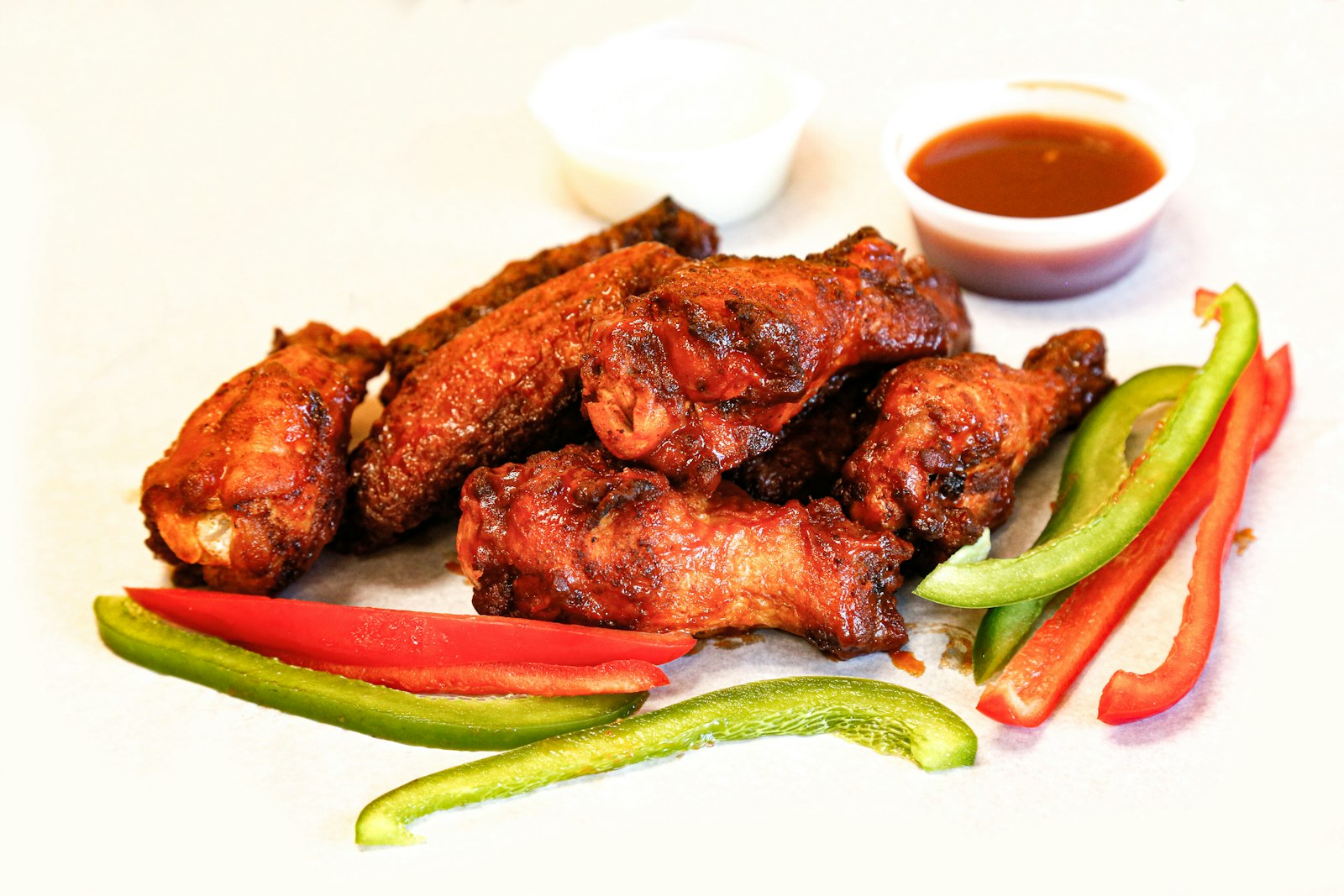
The oldest argument on any wings menu, and the honest answer is: not quite, but closer than the name suggests. A boneless wing is a piece of chicken breast, breaded and fried — anatomically it has nothing to do with a wing. The chicken nugget is the same basic idea, and both descend from the same mid-century move towards portioned, breaded white meat.
What separates them in practice is size and finish. A boneless wing is larger, with a heavier and more open coating built to hold sauce; a nugget is smaller, more uniform, and served plain. Toss a nugget in buffalo sauce and it will not hold it the same way.
Which to order, and when
- You want wings but not bones — boneless, every time
- Eating with one hand, standing up — boneless or nuggets
- You are genuinely hungry and want meat — fingers; whole strips mean less coating and more chicken
- Feeding children — nuggets, or the kids’ versions
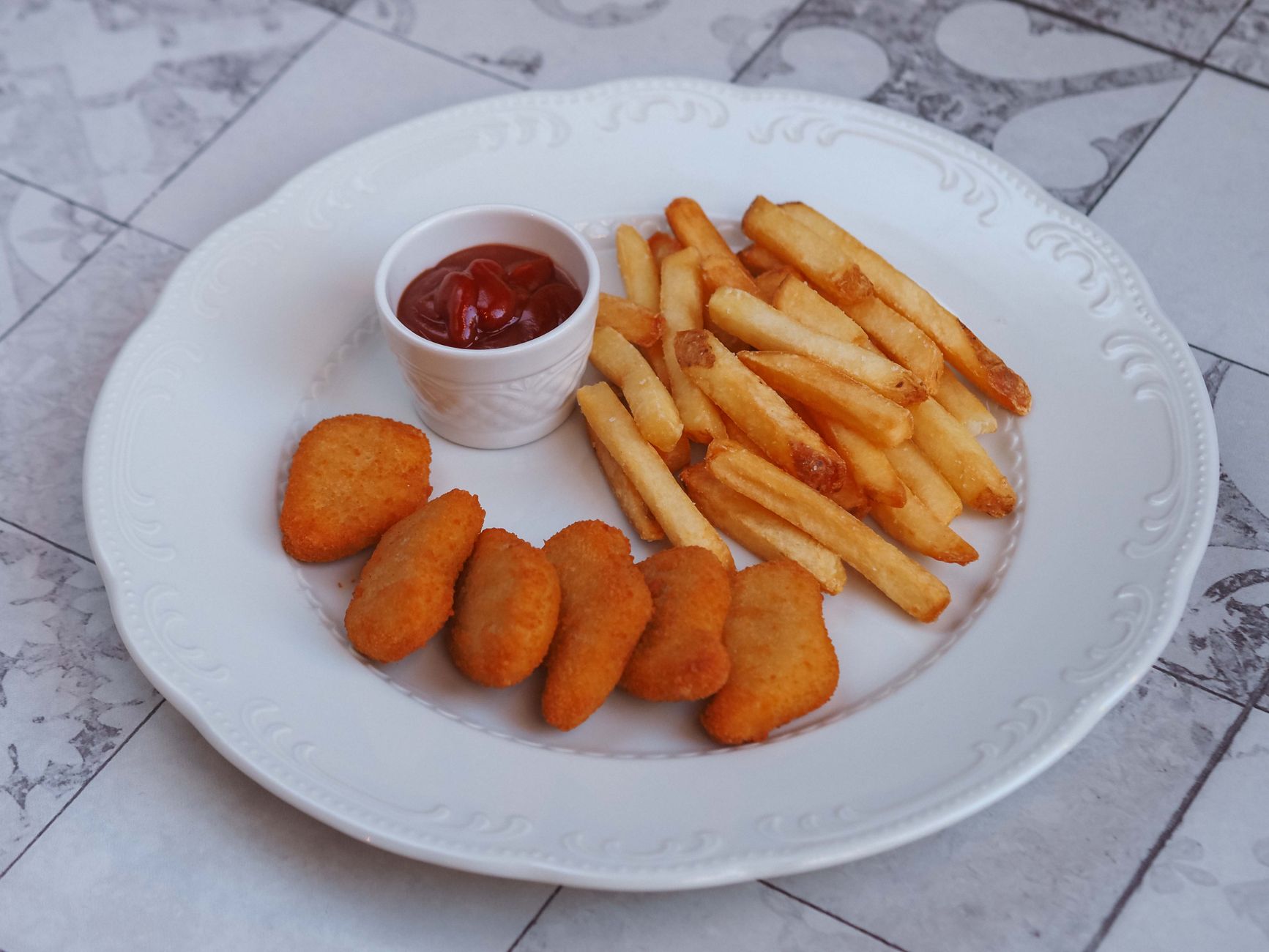
- Sharing a table of starters — nuggets, because twelve divides further than five
Fingers are the underrated one. Five whole strips is more actual chicken than twelve nuggets, and because there is less surface area there is proportionally less coating — which makes them the least heavy of the three despite looking like the biggest.
What you can and cannot do with each
The options differ, and the difference catches people out:
- Boneless wings scale from 5 pieces to 200, exactly like bone-in
- Boneless can be split across sauces, and take extra wet and extra dressing
- Boneless cannot be ordered all drum or all flat — there is no cut to choose
- Fingers and nuggets are single portions with no sauce option; add a cup instead
The splitting option is the reason boneless work for a group. Twenty pieces across two sauces gives a table choice; twelve nuggets gives them twelve nuggets. Our guide to drums, flats and split orders covers the mechanics.
Against bone-in
Worth restating briefly, because it is the comparison people actually make. Bone-in wings have skin, and skin holds sauce in a way breading cannot — the folds around the joint collect it. Boneless deliver more meat per piece and far less mess.
Neither is better; they suit different situations. We have gone through it properly in bone-in versus boneless, and the dips that go with either are in ranch or blue cheese.
Ordering boneless for takeaway? Get the sauce on the side. Breading has nowhere for sauce to sit except the surface, so it softens faster than a bone-in wing does — the same reason boneless are the better order when you are eating in straight away.
Coating is the real variable
Worth understanding because it explains every other difference. Breading sits on the outside, so the smaller the piece, the more coating there is relative to chicken. That is simple geometry rather than a recipe decision.
A nugget is small, so it is proportionally the most coated of the three. A whole finger is long and thin with far less surface for its weight, so it is the least. Boneless wings sit in between by design — enough coating to hold sauce, not so much that the sauce is all you taste.
- Want to taste chicken — fingers
- Want to taste the coating — nuggets
- Want to taste the sauce — boneless
- Watching how heavy it eats — fingers again; less coating means less absorbed oil
Where the kids’ versions fit
Both nuggets and fingers have kids’ versions on their own menu, each with a junior fry and a kid’s drink included. The distinction is the same at that size — nuggets for younger or more cautious eaters, fingers for anyone who will finish a portion.
The adult portions are the natural step up when a kids’ portion stops being enough, and five fingers is a smaller jump than twelve nuggets. More on that in feeding kids here.

Portion sizes, honestly compared
Five, twelve and anything from five to two hundred are not comparable numbers, because the pieces are different sizes. Five fingers is more food than twelve nuggets. Ten boneless wings sits somewhere between the two. If you are ordering by number rather than by hunger, that is the ranking to keep in mind.
The short version
Boneless wings are a sauced wings order in bite-sized pieces, and the only one of the three that splits across sauces. Chicken fingers are five whole strips and the most actual chicken. Nuggets are twelve small pieces and share the furthest. All three are on the appetizer menu, except boneless wings, which live with the wings.
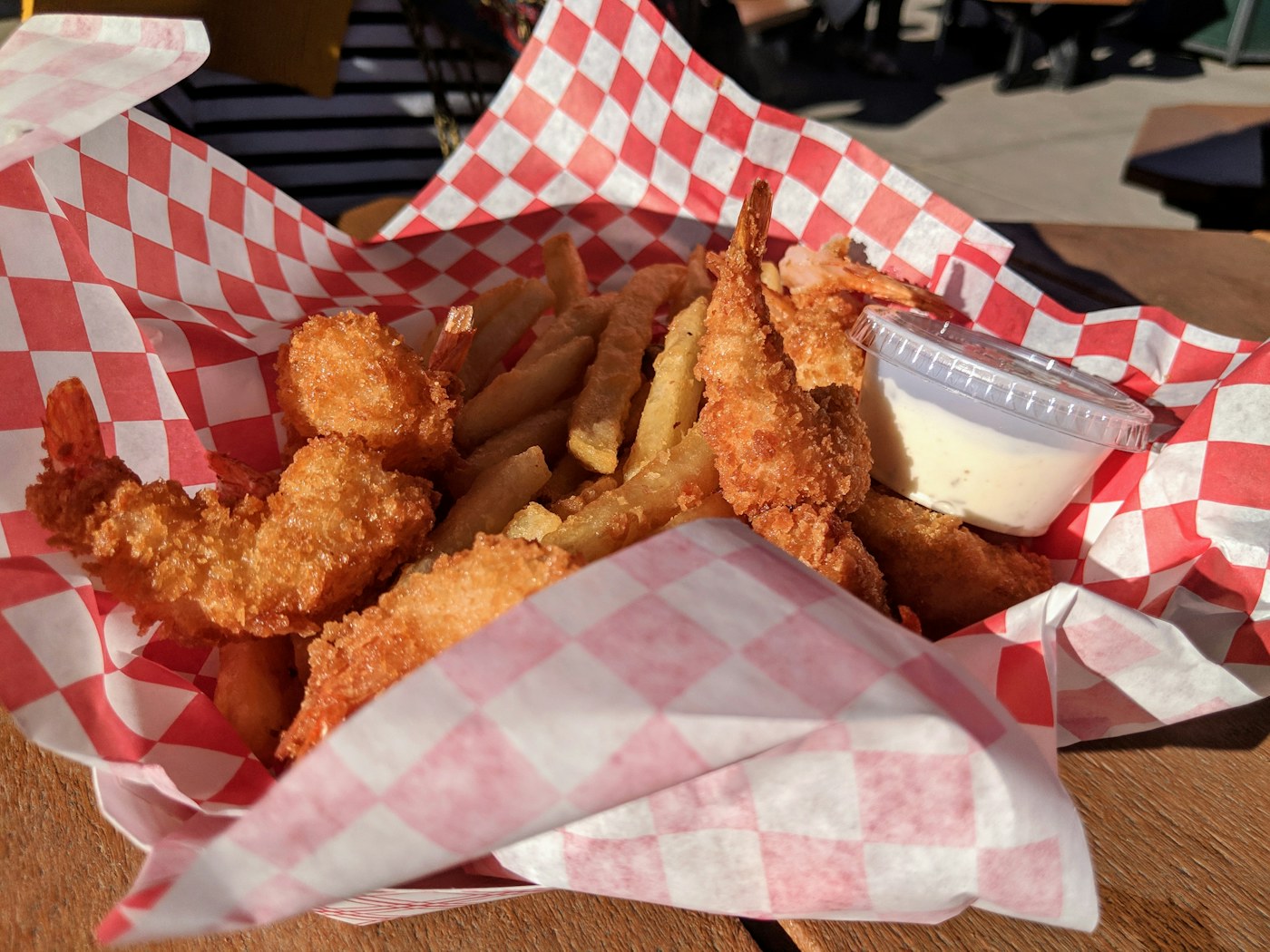
Three breaded options
Boneless wings from 5 pieces to 200, twelve nuggets, five fingers.


Frequently asked questions
Are boneless wings just chicken nuggets?
Not quite. Both are breaded white meat, but a boneless wing is larger with a heavier, more open coating built to hold sauce, and it comes sauced.
What is the difference between chicken fingers and nuggets?
Fingers are whole strips, five to a portion; nuggets are small pieces, twelve to a portion. Fingers give you more chicken and less coating.
Can boneless wings be ordered all drum or all flat?
No — that option only exists on bone-in wings, because boneless have no cut to choose.
Which is best for a group?
Boneless wings, because they split across sauces. Twelve nuggets divides further than five fingers if you want a starter instead.
Which has the most chicken?
Chicken fingers. Whole strips mean less surface area and therefore proportionally less coating.
More From the Kitchen