MENU GUIDES • 5 min read
Where the Smoke Comes From
No smoker on the premises, and smoke all over the menu anyway — arriving by three different routes that taste nothing alike.
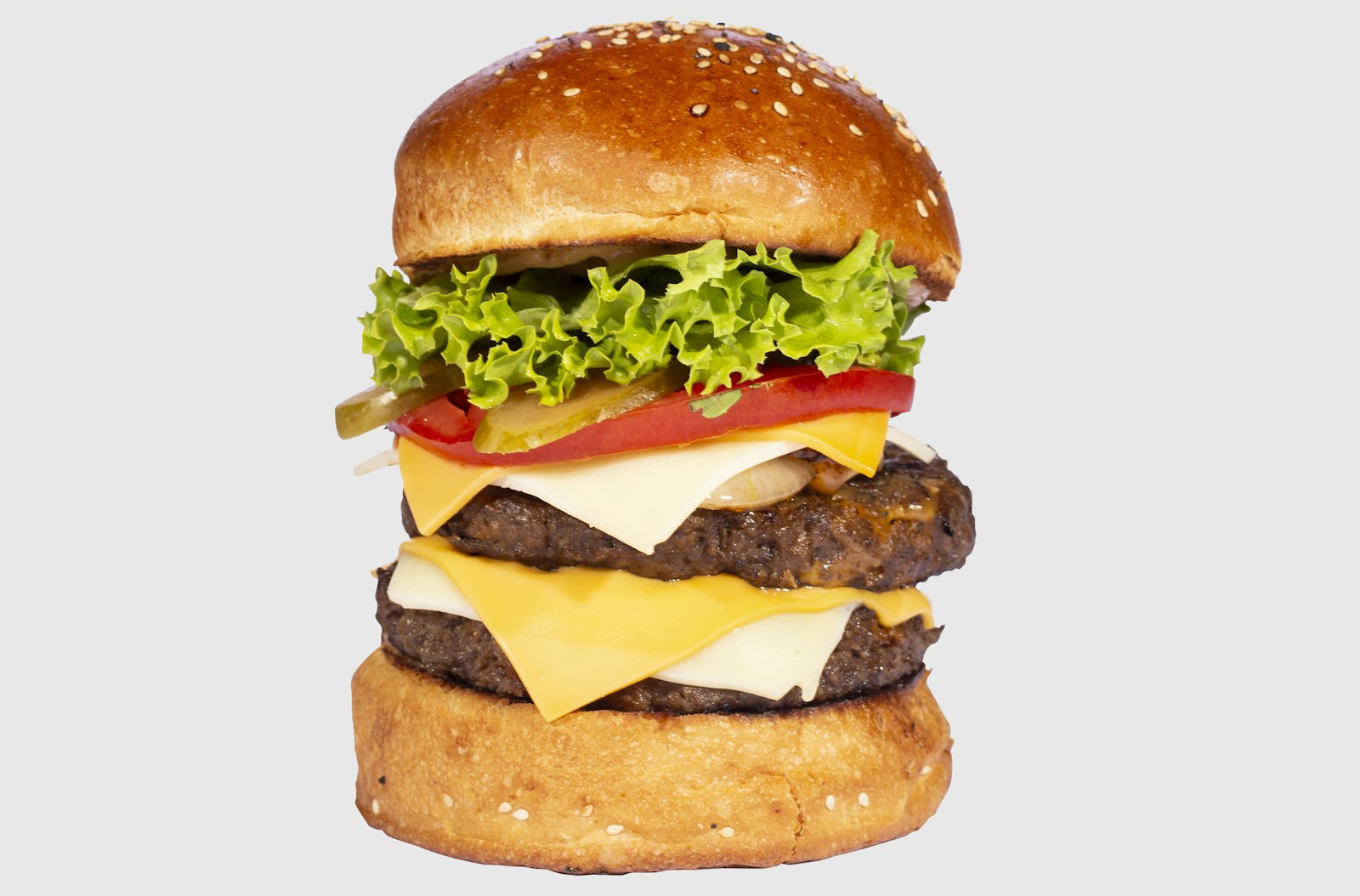
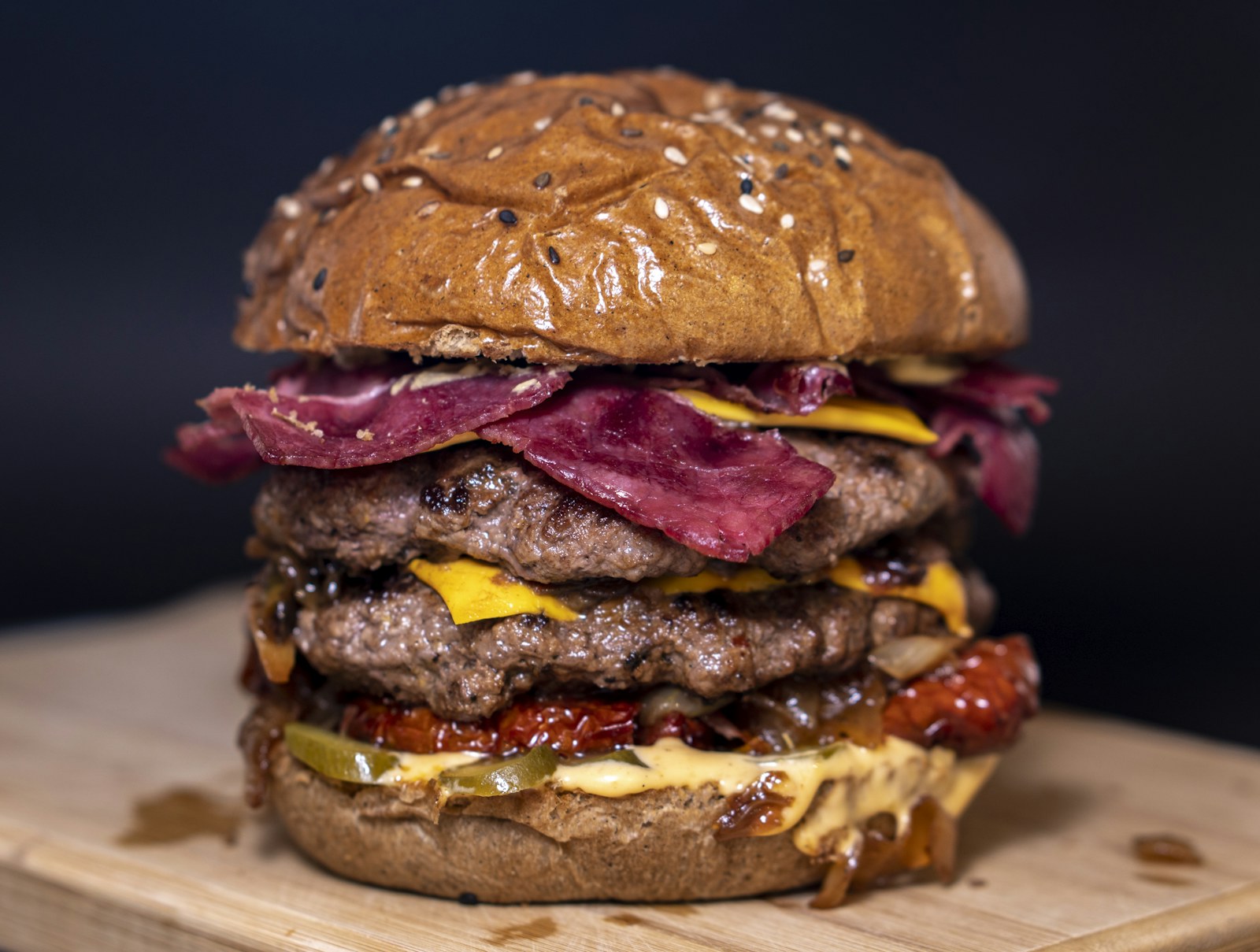
Smoke here comes from cured bacon and ham, where it is embedded and released by heat; from BBQ sauce, where it sits on the surface with sweetness attached; and from high-heat browning, which reads smoky without any wood involved.
There is no smoker on the premises. Nothing here is cooked low and slow over wood, and we say so plainly in our piece on what we do not have.
And yet smoke turns up all over this menu — in the Smokehouse builds, in bacon, in the hot ham, in BBQ sauce. It arrives by other routes, and the routes are worth understanding because they taste different from each other.
Three ways smoke gets onto a plate
| Route | Where you meet it | Tastes |
|---|---|---|
| Cured and smoked meat | Bacon, hot ham | Deep and savoury, released by heat |
| Smoke-flavoured sauce | BBQ sauce on both Smokehouse builds | Sweeter and more forward |
| Char from high heat | The griddle, blackened seasoning | Bitter-edged and immediate, not smoke at all |
That third row is the one people conflate with the others. A blackened crust or a hard sear tastes a little of smoke because browning produces some of the same compounds, but nothing has been smoked — it is heat, not wood.
Curing, and why bacon works this way
Bacon and ham are both cured, and often smoked as part of that process. Smoking began as preservation rather than flavouring — drying the surface and depositing compounds that slow spoilage — and the taste was a side effect that outlived the need.
What that means practically is that the smoke is already in the meat before it reaches our griddle. Heat then releases it: the fat softens, renders, and carries the smoke into everything around it. That is why bacon flavours a whole sandwich rather than only the bites it is in.
The same applies to the hot ham. Cold ham is mild; heated, the same slice is noticeably smokier, which is the entire premise of the Hot Ham-N-Cheese.
BBQ sauce is a different thing entirely
Smoke in a sauce sits on the surface rather than inside the meat, and it arrives with sugar and acid attached. That makes it more immediate and less deep — you taste it first rather than throughout.
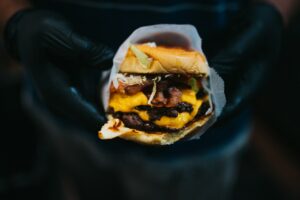
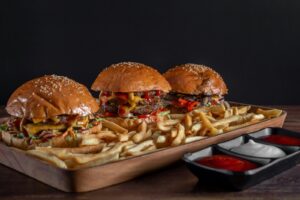
Both Smokehouse builds use it, and both pair it with bacon, which is why the name works: you get surface smoke from the sauce and embedded smoke from the bacon at the same time. Two routes, one dish. More in the Smokehouse, two ways.
- Bacon — smoke from inside, released by rendering fat
- BBQ sauce — smoke on the surface, with sweetness attached
- Together — the Smokehouse, and the reason it tastes bigger than its parts
- Neither — most of the menu, which is worth knowing if smoke is not what you want
Why there is no smoker
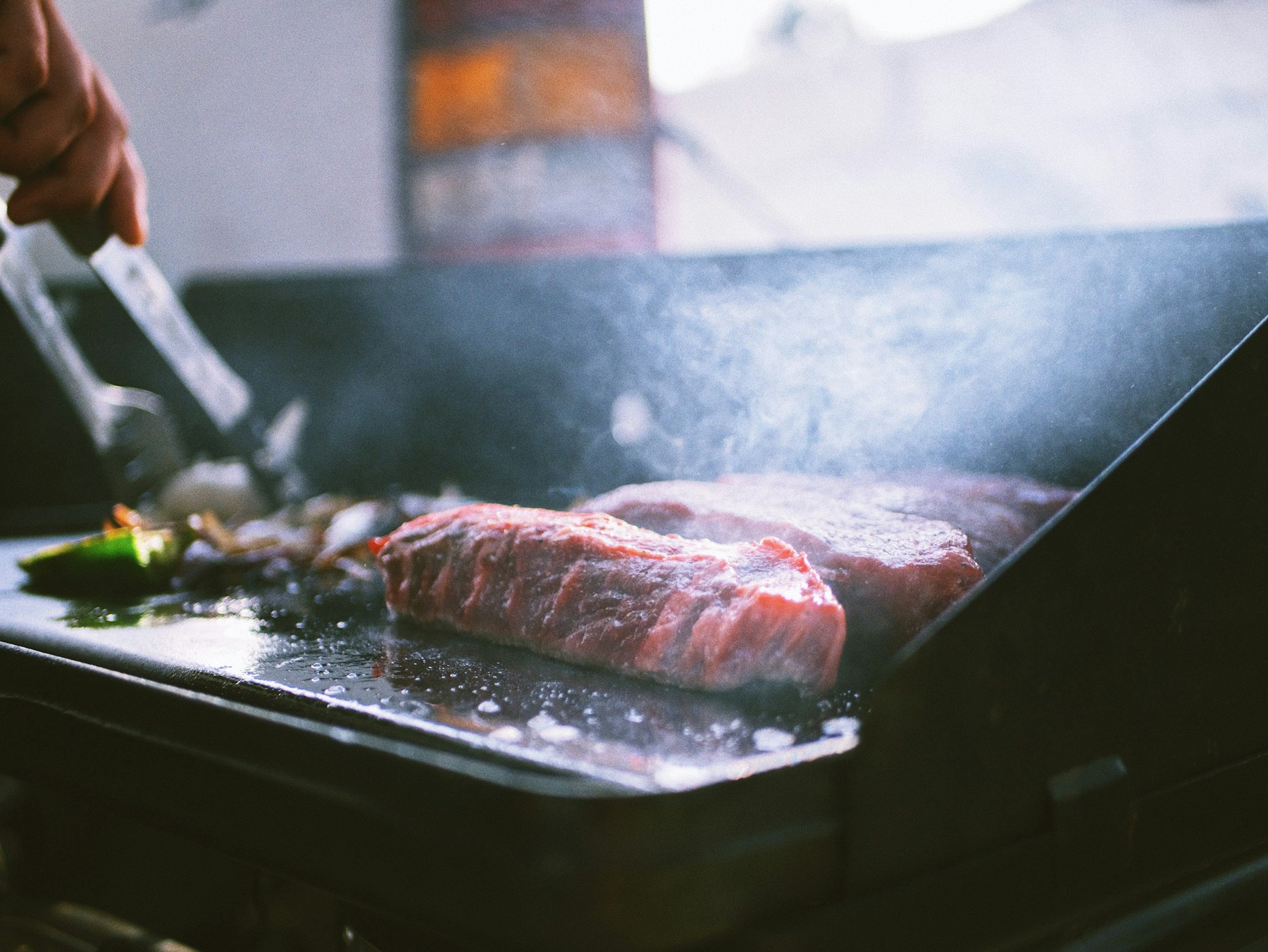
Not an oversight, and worth explaining because it tells you something about how this kitchen works. Smoking is a slow method — hours, at low temperature, with the food essentially unattended.
Everything else here is the opposite: a flat top and a fryer, both very fast and both cooking to order when the ticket comes in. A smoker would mean cooking in advance and holding, which is precisely the thing this kitchen does not do. Our piece on what made to order means covers why.
So the absence is structural rather than a gap. A menu built on speed and a method built on patience do not share a kitchen easily, and the honest trade is that you get everything cooked when you ordered it and nothing that spent six hours over wood.
What tastes smoky but is not
Two things get miscredited regularly.
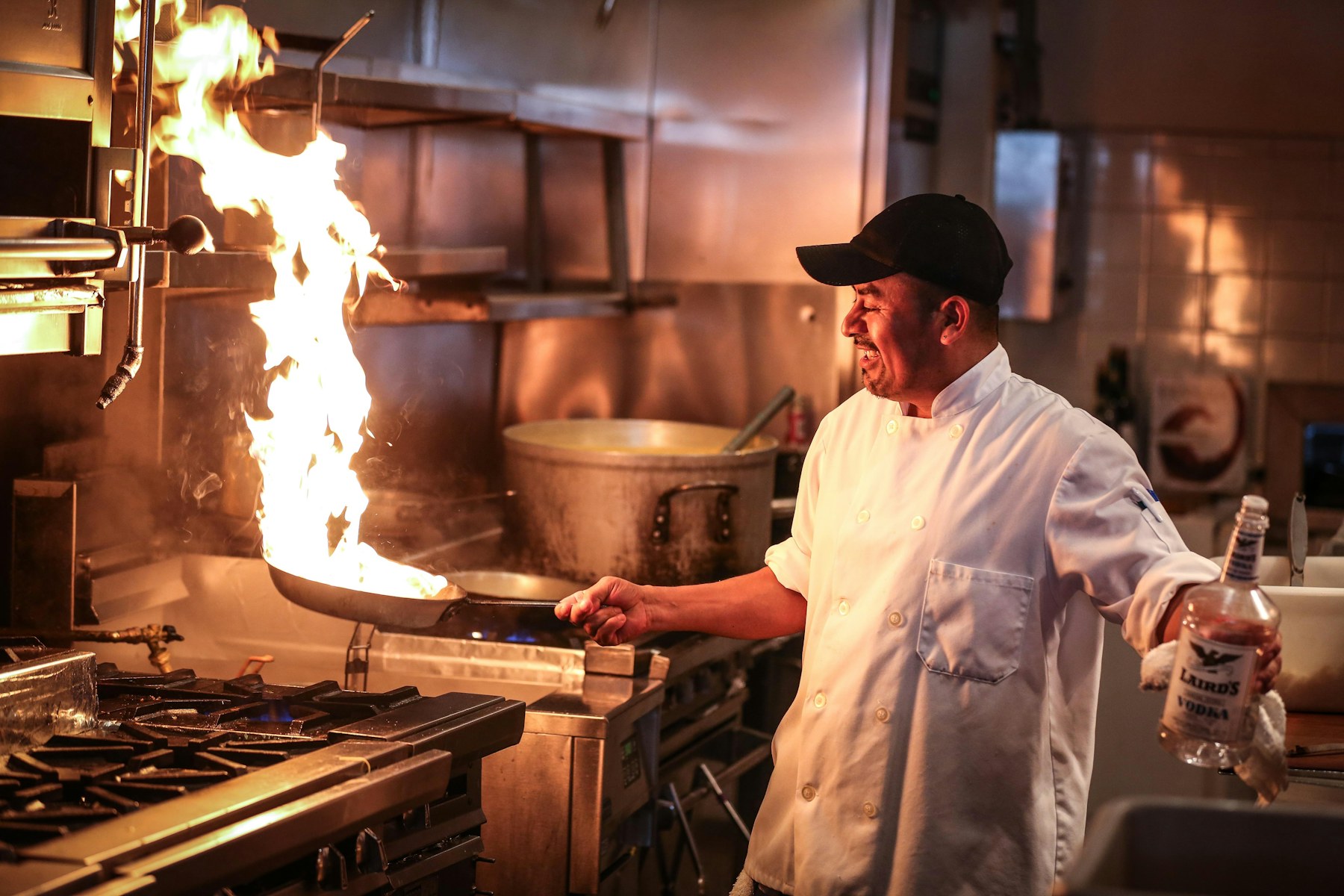
The blackened crust on the Blackened Herb Chicken is toasted spice and browned butter, not smoke. It reads similarly because both involve compounds produced by heat, but there is no wood anywhere in it — what blackened actually means covers the technique.
A hard sear on ribeye does the same thing. Browning produces hundreds of new compounds, some of which we associate with fire, which is why a well-seared steak can taste faintly of smoke on a flat top with no flame near it.
Want smoke without heat? Honey BBQ as a sauce cup is the cleanest way to get it — smoke and sweetness with no chilli at all. It works on wings, on fries and on anything fried, and it is the one sweet cup that reads as savoury.
Smoke and salt travel together
Almost everything smoky here is also cured, and that is not a coincidence — smoking and salting were historically the same preservation process applied together. Bacon and ham are both, which is why both taste deep rather than simply smoky.
The practical consequence is that ordering two smoked things is also ordering two salty things. Bacon on a sandwich that already has ham in it, or a Smokehouse alongside a cured item, adds up faster than it seems — there is more in salt across the menu.
If smoke is what you came for
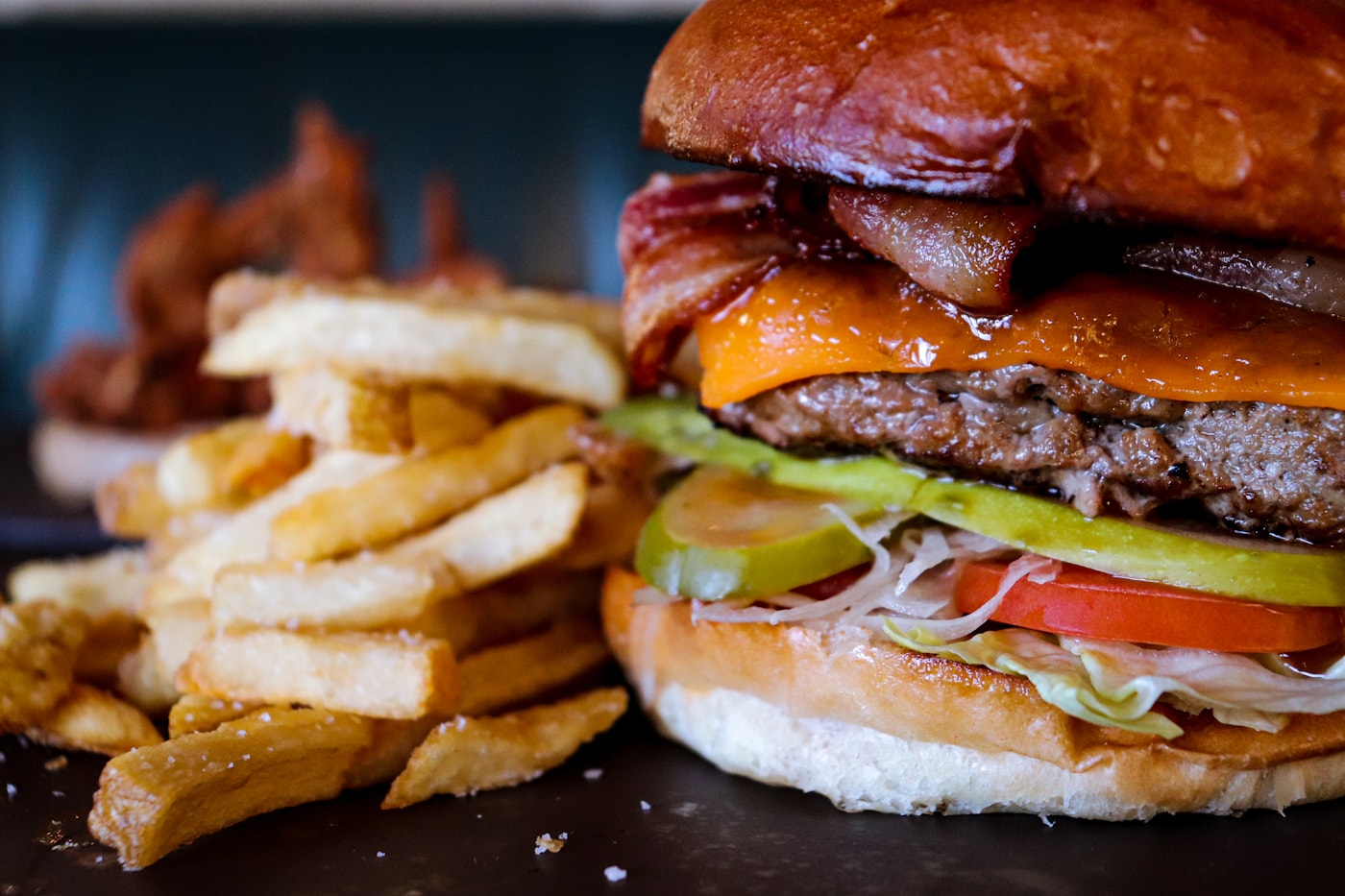
Order the Smokehouse, in either form, and understand what you are getting: barbecue flavour rather than barbecue technique. It is bacon and BBQ sauce on something griddled, not something that spent six hours over wood.
That distinction matters to some people a great deal and to others not at all. If it matters to you, this is not the menu for it, and we would rather say that than pretend otherwise.
This is one of five pieces on the things that make food here taste the way it does. The others are on acidity, temperature, and the rest of this set.
The short version
No smoker, and smoke on the menu anyway — embedded in cured bacon and ham, laid on the surface in BBQ sauce, and imitated by high-heat browning. The Smokehouse uses the first two together, which is why it tastes bigger than its parts. Everything else is heat rather than wood.
The Smokehouse, twice
Bacon and BBQ sauce, on a Philly and on a burger.
Frequently asked questions
Do you smoke any of the food?
No. There is no smoker. Smoke on the menu comes from cured bacon and ham, from BBQ sauce, and from high-heat browning.
What is the smokiest thing on the menu?
The Smokehouse, in either form — it combines bacon, which carries smoke inside it, with BBQ sauce, which carries it on the surface.
Is blackened food smoked?
No. A blackened crust is toasted spice and browned butter. It reads smoky because heat produces similar compounds, but no wood is involved.
How can I get smoke without heat?
Honey BBQ as a sauce cup — smoke and sweetness with no chilli in it at all.
Do you do barbecue or ribs?
No smoker and no ribs. The Smokehouse is barbecue flavour rather than barbecue technique.
More From the Kitchen