SIDES & STARTERS • 5 min read
Breading or Batter?
Two completely different coatings, no menu ever tells you which is which, and it decides whether something holds sauce or survives a journey.
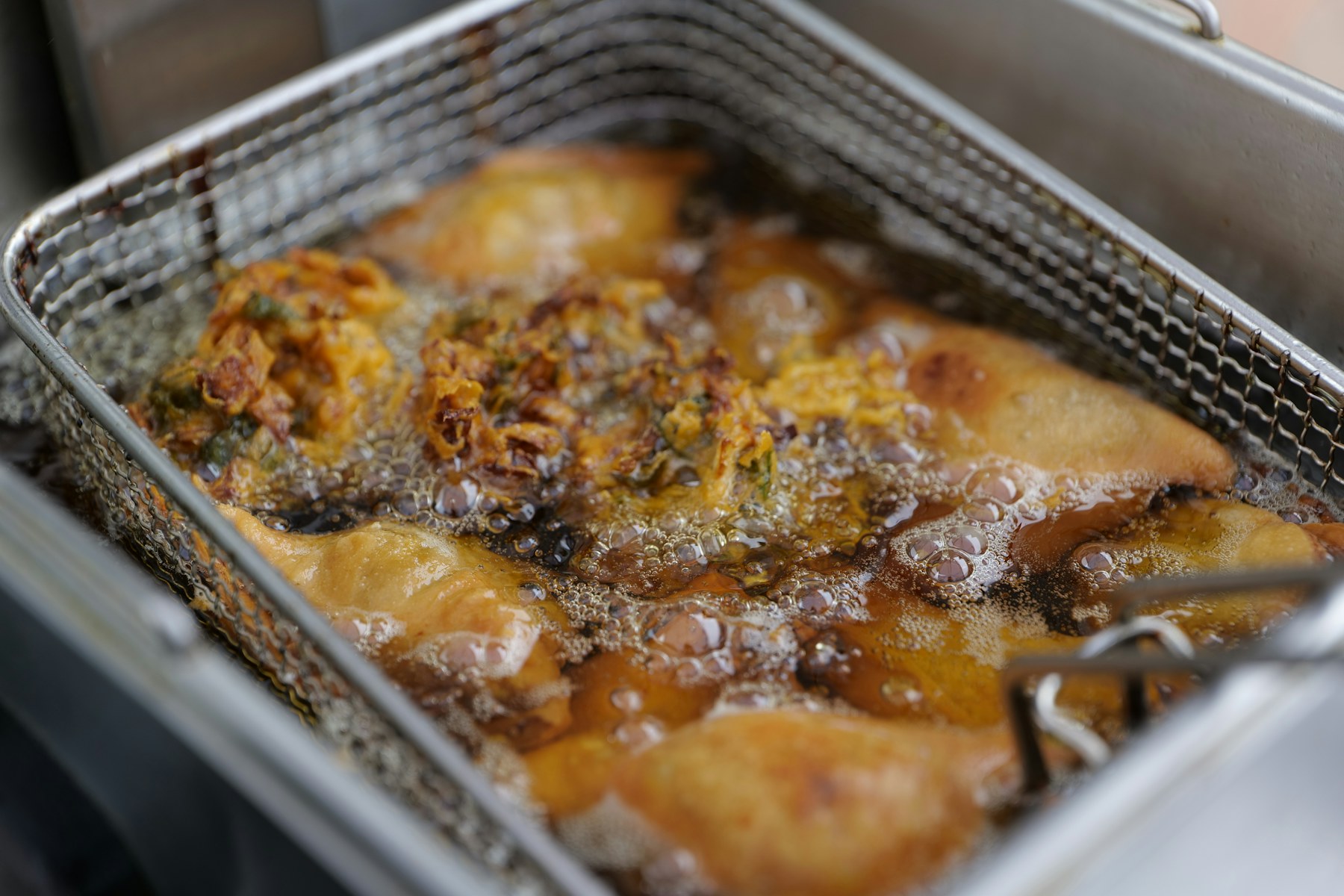
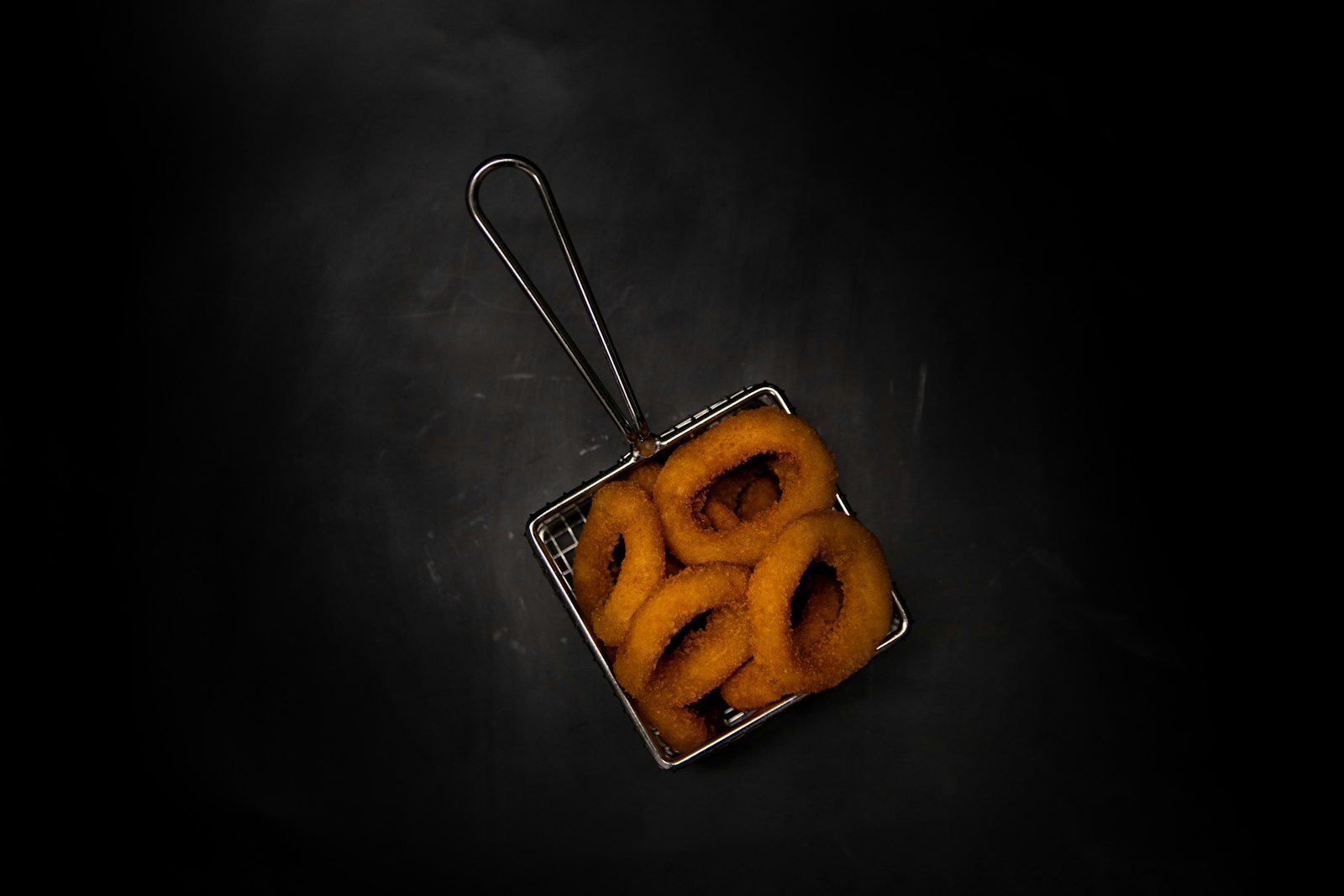
Batter is a wet mixture forming a smooth sealed shell — it stays crisp and sheds sauce. Breading is dry crumb pressed on, giving a craggy surface that grips sauce and softens once it has it. Onion rings and fish are battered; boneless wings and mozzarella sticks are breaded.
Almost everything on the fried half of this menu has a coating, and there are two entirely different kinds. Batter is a wet mixture the food is dipped into; breading is a dry crumb the food is pressed into. They cook differently, they taste different, and they behave completely differently once they leave the kitchen.
Nobody says which is which on a menu, so here is how to tell and why it matters.
The difference in one line each
Batter goes on wet. Flour, liquid and often a raising agent, mixed to a pourable consistency; the food is dipped and goes straight into the oil. The coating puffs slightly as the water in it turns to steam, and sets into a smooth, sealed shell.
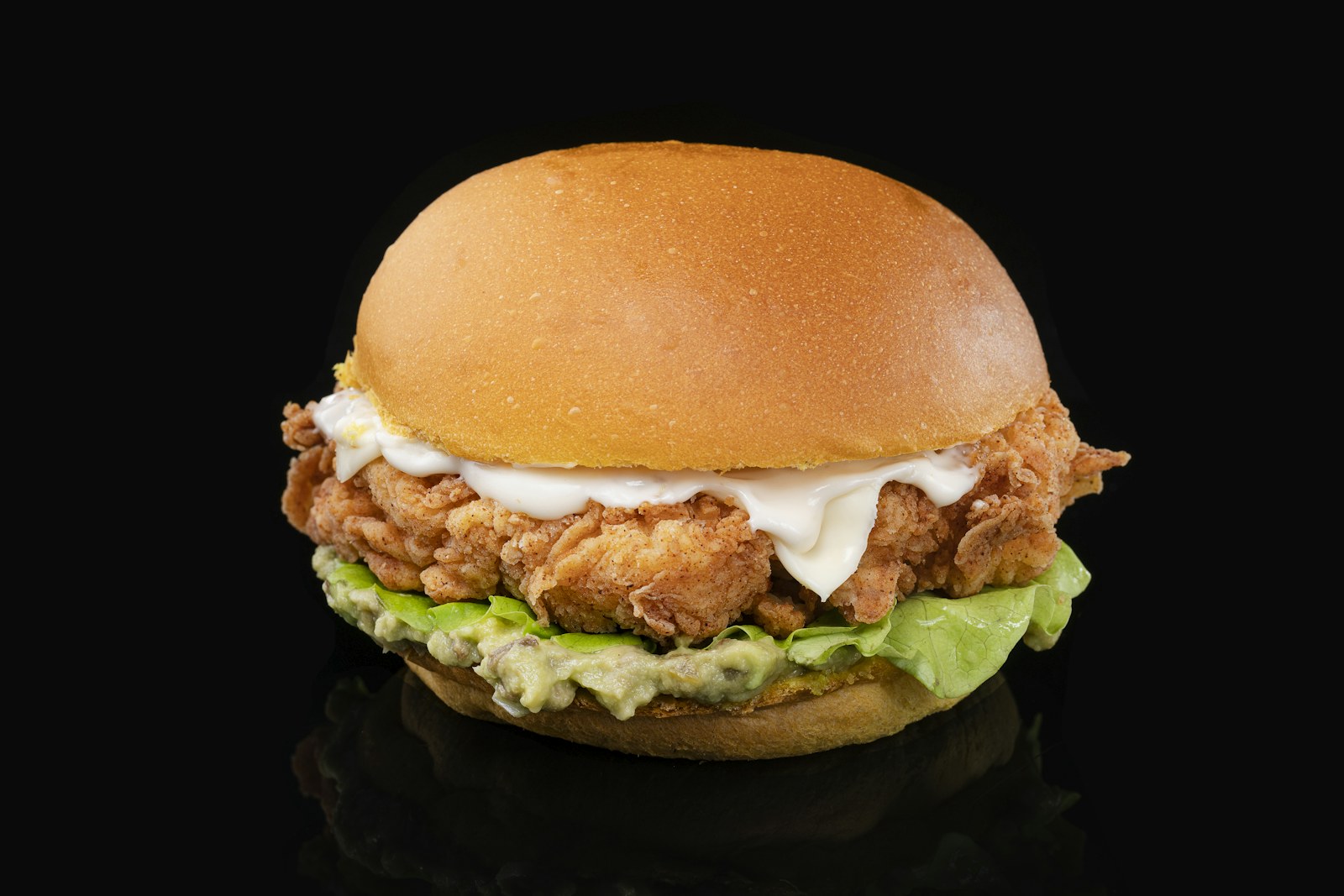
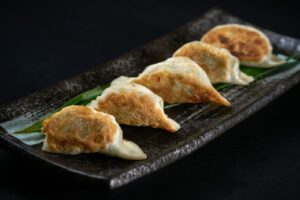
Breading goes on dry. The food is coated in flour, dipped in egg or buttermilk, then pressed into crumbs. The result is craggy and irregular rather than smooth, with far more surface area.
Which is which here
| Coating | Items | What you notice |
|---|---|---|
| Batter | Onion rings, fried fish, fried pickle, fried okra, fried mushrooms, corn nuggets, shrimp | A smooth shell that crackles and separates from what is inside |
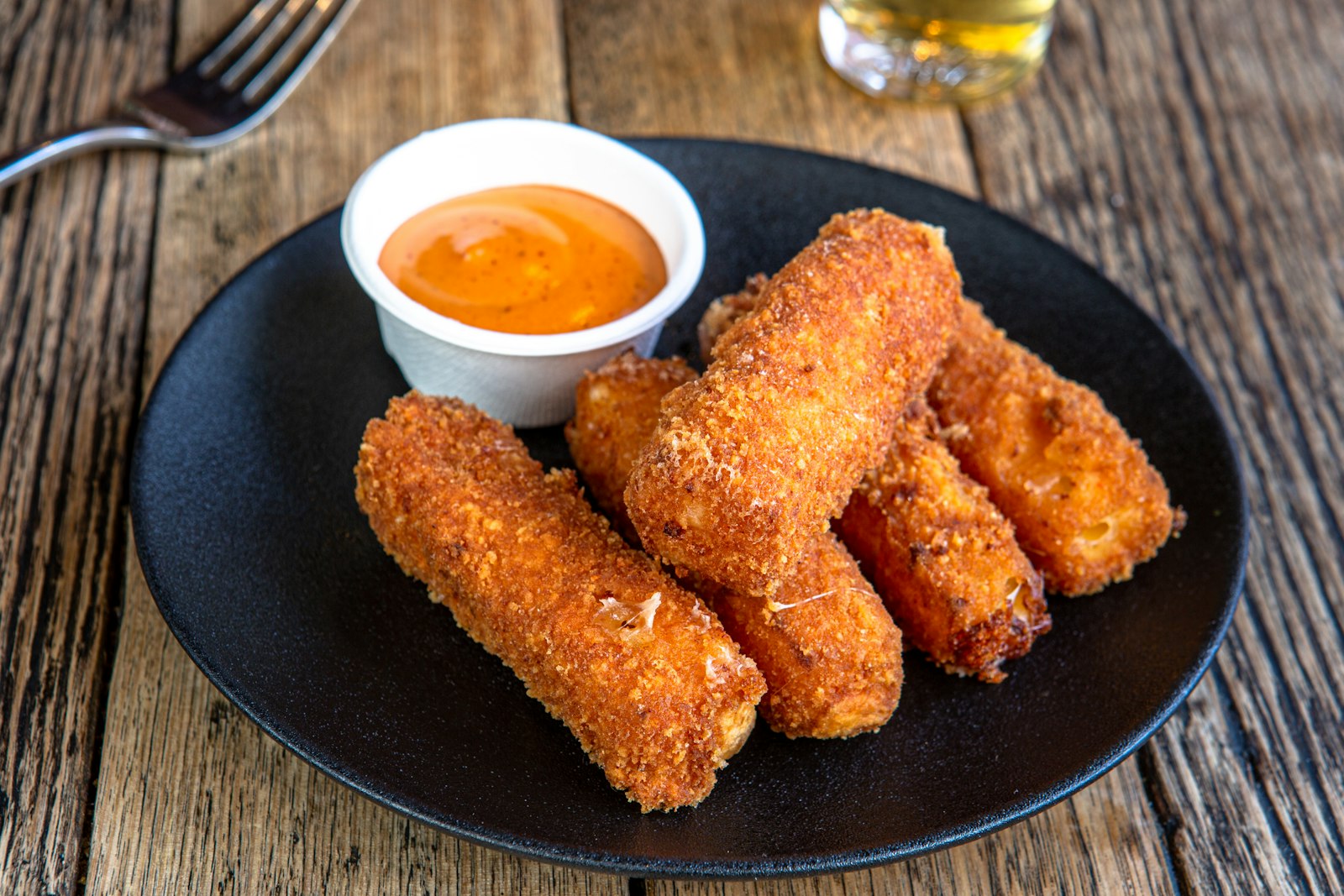
| Breading | Boneless wings, mozzarella sticks, chicken nuggets and fingers, fish sticks, buttermilk buffalo chicken | A rough, craggy surface that grips sauce |
| Neither | Wings (bone-in), Phillys, burgers, wraps, salads, the boil | Skin, browning or nothing at all |
That third row is worth noticing. Rather more of this menu is uncoated than people assume — bone-in wings have skin rather than coating, and everything off the griddle has neither.
Why it matters for sauce
This is the practical consequence. A smooth battered shell has nowhere for sauce to sit; it runs off. A craggy breaded surface has thousands of small crevices, and sauce lodges in all of them.
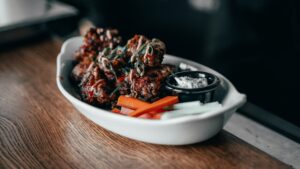
Which is exactly why boneless wings are breaded rather than battered. They exist to carry sauce, and a battered coating would shed it. It is also why mozzarella sticks come with marinara in a cup rather than tossed — the breading would soak it up and go soft immediately.
- Breaded — holds sauce, softens faster once sauced
- Battered — sheds sauce, stays crisp longer
- Ordering sauce on the side matters more for breaded items
- A battered item is the safer choice for a long drive home
Why it matters for what is inside
Batter seals. It forms a continuous shell, so the food inside effectively steams in its own moisture rather than frying — which is why battered fish stays soft and flaky, and why a battered onion goes translucent and sweet rather than crisping.
Breading does not seal in the same way. It is porous, so more moisture escapes and the surface of the food itself browns a little. That is why a breaded chicken finger tastes more of fried chicken and a battered piece of fish tastes more of the fish.
Both are ways of managing the same problem, which frying creates: very high heat against something that would dry out if it met that heat directly.
Which to order, and when
| You want | Order | Because |
|---|---|---|
| Something to dip | Battered | The shell stays crisp between dips |
| Something already sauced | Breaded | It holds the sauce |
| Delicate food kept moist | Battered | The shell seals it |
| The most crunch | Breaded | More surface area, more texture |
| To take it home | Battered | It survives the journey better |
| To share a spread | One of each | Two textures beats two of one |
The last row is the useful one for a table. Ordering onion rings and mozzarella sticks gives you two genuinely different things; ordering onion rings and fried pickles gives you the same shell twice. Our guide to the appetizer menu works through building a spread by texture.
Ordering fried food to take away? Ask for anything breaded to come unsauced with a cup on the side. Battered items travel fine sauced or not, but a sauced breaded coating is soft before you get to the car park.
Why breading needs a wet step first
A detail that explains why breaded items cost more to make and why they are the minority on most menus. Crumbs will not stick to dry food, so breading is a three-stage process: flour to dry the surface, egg or buttermilk to give the crumbs something to grip, then the crumbs themselves.
Batter is one stage. Mix it, dip, fry. That is why battered items dominate the fried side of almost every menu, and why the breaded items here are mostly things where holding sauce genuinely matters — boneless wings above all.
It is also why buttermilk turns up in the process. A thick, slightly acidic soak is a better gripping layer than plain egg, and it conditions lean meat at the same time. There is more in what buttermilk chicken is.
The wing exception
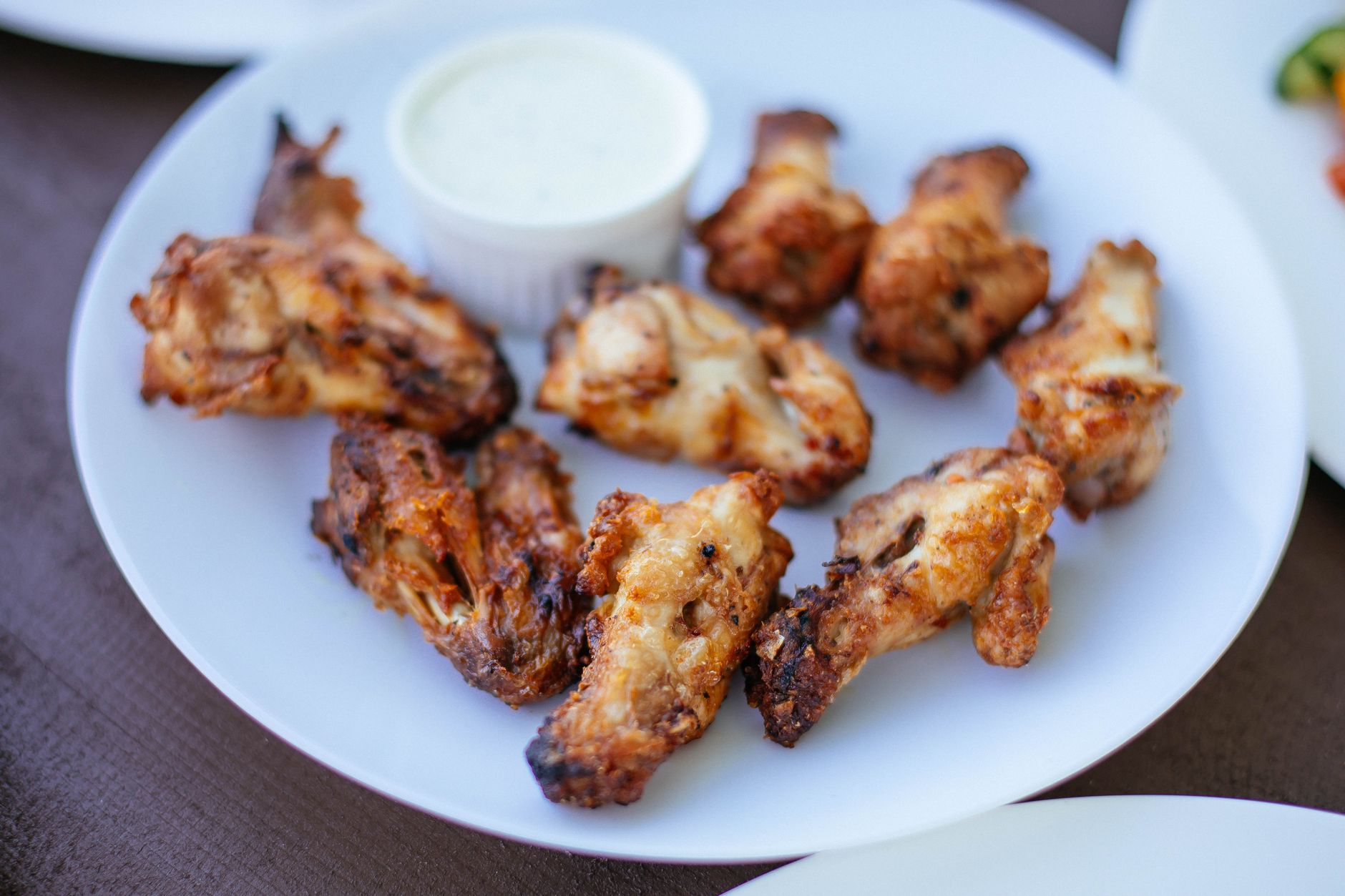
Bone-in wings have neither coating. What they have is skin, which crisps in the fryer and then does something no coating manages: it renders, releasing fat from underneath and basting the meat as it goes.
Skin also holds sauce better than breading does, because the folds around the joint are deeper than any crumb. That is the real reason bone-in and boneless wings taste different in sauce despite sharing a bird — one has skin and one has breading. There is more in bone-in versus boneless, and the three breaded chicken items are compared in boneless, fingers or nuggets.
The short version
Batter is wet and forms a smooth sealed shell that stays crisp and sheds sauce. Breading is dry and craggy, grips sauce, and softens once it has it. Order battered things if they are travelling or if you are dipping; order breaded things if you want them sauced and eaten now. Both are on the appetizer menu.
Twenty starters, two coatings
Battered, breaded, or neither — and it changes how each one eats.
Frequently asked questions
What is the difference between batter and breading?
Batter is a wet mixture the food is dipped into, forming a smooth sealed shell. Breading is dry crumb pressed on, giving a craggy surface with far more texture.
Which one holds sauce better?
Breading. The craggy surface has thousands of crevices for sauce to sit in; a smooth battered shell sheds it.
Which travels better?
Battered. The sealed shell stays crisp longer, whereas a sauced breaded coating softens quickly.
Are boneless wings breaded or battered?
Breaded — deliberately, because they exist to carry sauce and a battered coating would shed it.
What about bone-in wings?
Neither. They have skin, which crisps and renders fat into the meat, and holds sauce better than any coating.
More From the Kitchen