SANDWICHES • 5 min read
What Is a Po’boy Sandwich?
A New Orleans sandwich defined by its bread — and by whether you order it dressed.
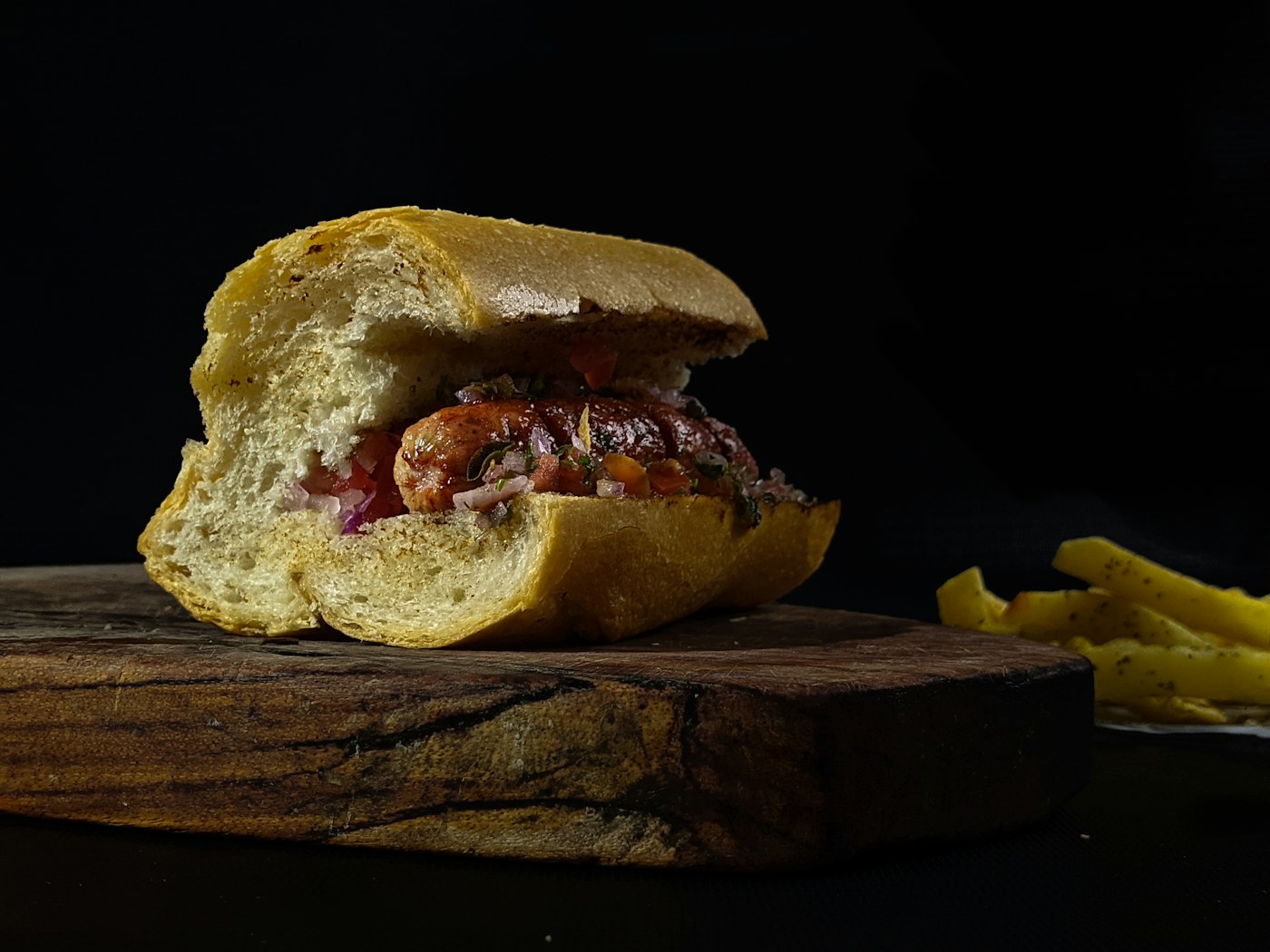
A po’boy is a New Orleans sandwich served on French bread with a crisp crust and light, airy inside. Fillings run from fried shrimp and fish to roast beef, and it is either “dressed” with lettuce, tomato, pickles and mayonnaise, or ordered plain.
A po’boy is a New Orleans sandwich served on French bread — a long loaf with a thin, crackly crust and a light, airy inside. That bread is what makes it a po’boy rather than a sub. The fillings range from fried shrimp and fish to roast beef with gravy, and the sandwich is either “dressed” with lettuce, tomato, pickles and mayonnaise, or ordered plain.
Where the name comes from
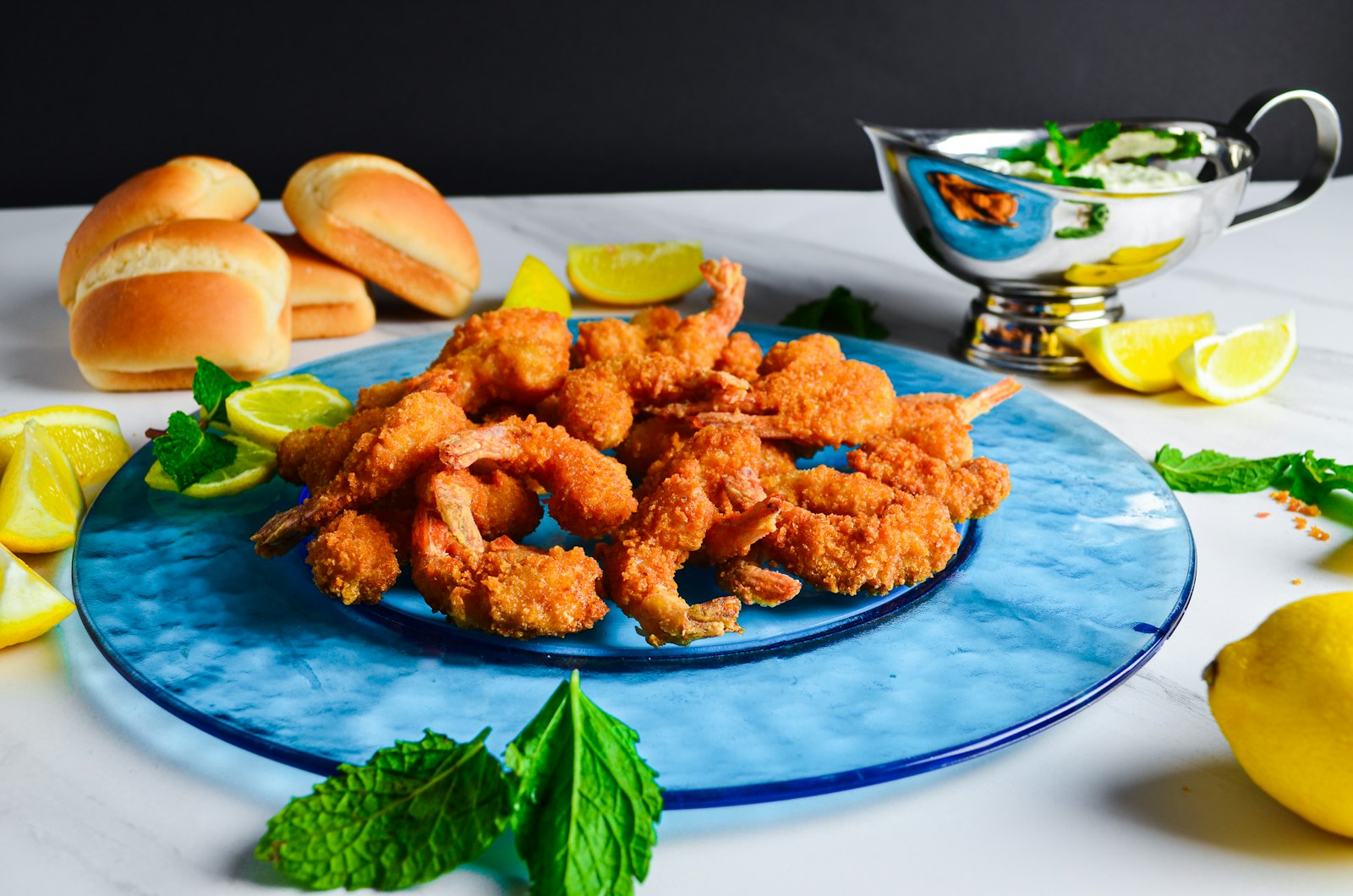
The sandwich dates to 1929, when two former streetcar conductors, Clovis and Bennie Martin, fed striking transit workers from their New Orleans coffee stand. As each striker arrived, the brothers reportedly said “here comes another poor boy” — and the name stuck. They worked with a local baker to develop a long loaf that stayed the same width end to end, so every sandwich cut from it was the same size. The Louisiana Endowment for the Humanities keeps a fuller account of the origin.
What makes it different from a sub or a hoagie
All three are long sandwiches, but they aren’t interchangeable.
| Po’boy | Sub / hoagie | Cheesesteak | |
|---|---|---|---|
| Bread | New Orleans French bread — crisp crust, airy crumb | Softer, denser roll | Long soft roll |
| Typical filling | Fried seafood, roast beef, ham | Cold cuts, cheese, salad | Griddled sliced beef |
| Served | Hot or cold | Usually cold | Always hot |
| “Dressed” means | Lettuce, tomato, pickles, mayo | Varies by shop | Rarely dressed — cheese and onions |
| Origin | New Orleans, 1929 | North-east US | Philadelphia |
The practical difference is the bread. A po’boy loaf shatters slightly when you bite it and soaks up gravy or fryer oil without turning to mush. A sub roll is softer and chewier, which suits cold fillings better than hot ones.
The classic fillings
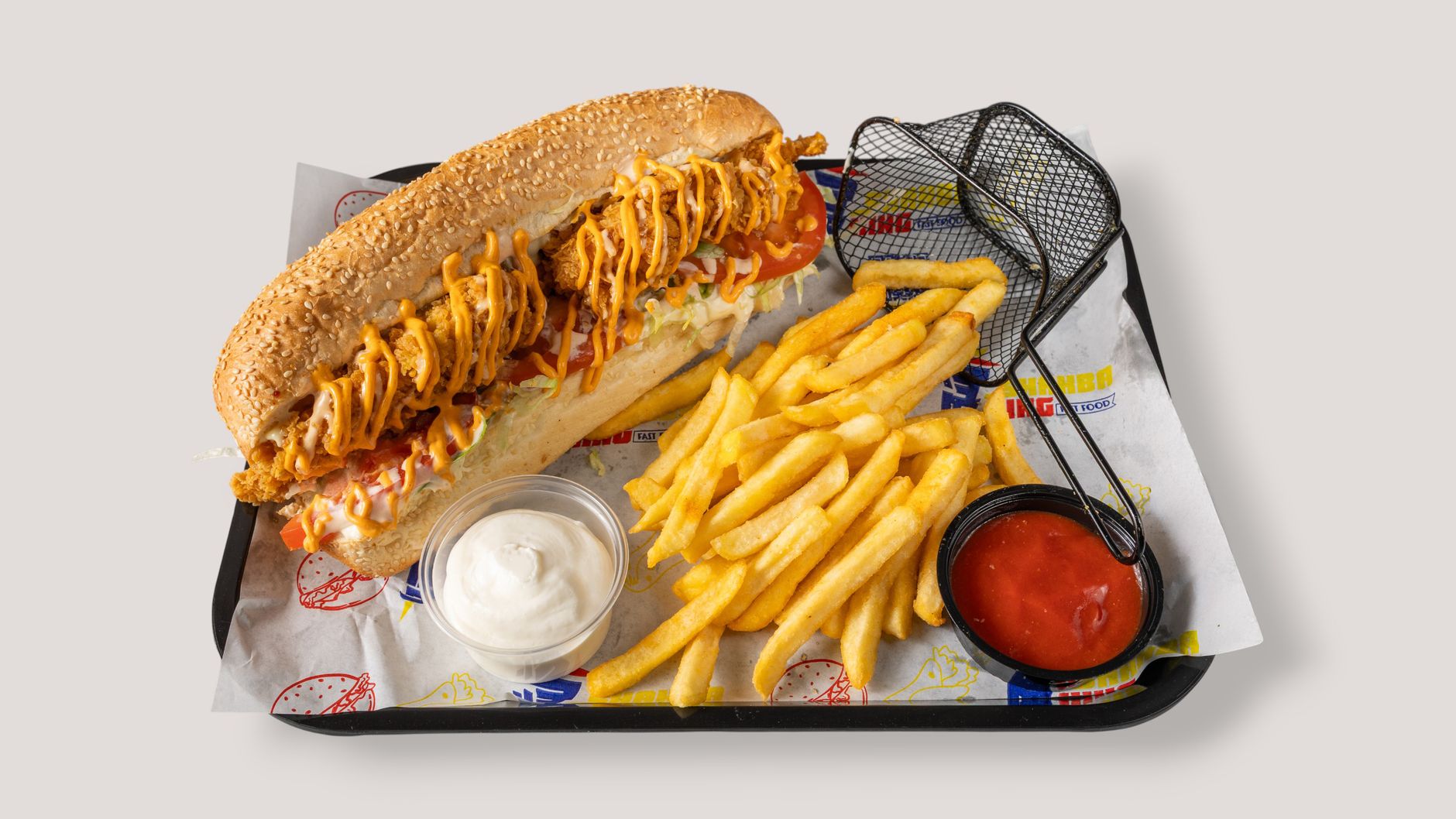
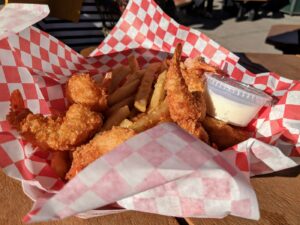
Fried seafood is the version most people picture, and shrimp is the most ordered. Roast beef with gravy — a “debris” po’boy in New Orleans — is the other classic, and it’s messier by design. Beyond those, most shops build po’boys from whatever they fry or griddle well.
Our po’boy menu runs to nine, including shrimp, fried fish, French dip, hot ham-n-cheese, chicken bacon club, buttermilk buffalo chicken and a meatball sub. Most come in a 7-inch or 12-inch size, so it works either as a single lunch or as something to split.
Ordering a fried seafood po’boy to take away? Ask for the dressing on the side. Mayonnaise and warm fried shrimp in a closed box will soften the crust before you get home.
Dressed or plain?
“Dressed” is the standard New Orleans shorthand for lettuce, tomato, pickles and mayonnaise. It’s worth knowing because it changes the sandwich more than people expect:
- Dressed adds crunch and acidity, which cuts through fried fillings
- Plain keeps the focus on the filling and the bread
- Hot fillings like French dip are usually better plain, so the bread stays intact
- Cold or fried fillings almost always benefit from being dressed
Is it a po’boy if it is not from New Orleans?
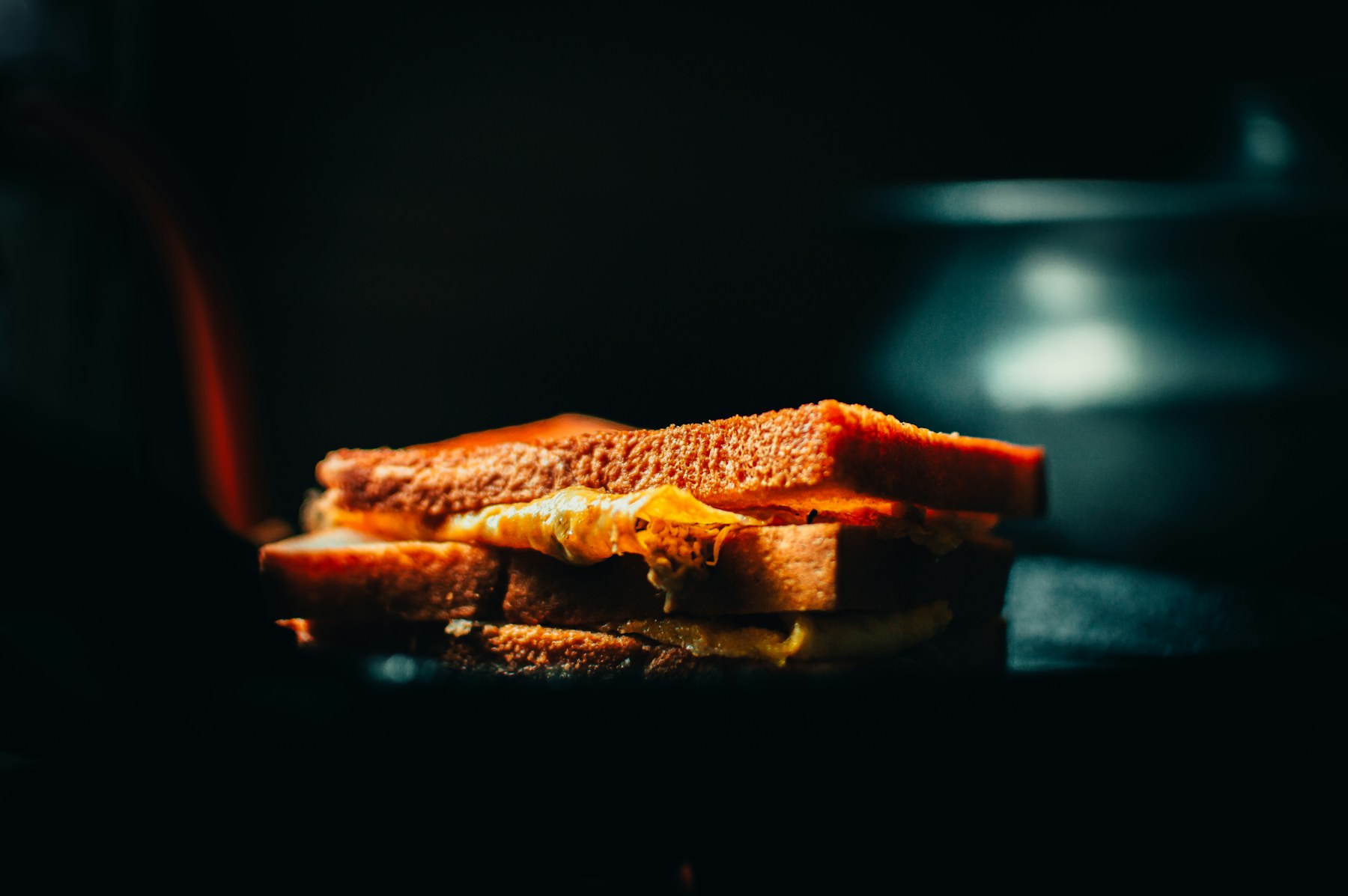
A question people genuinely ask, and the honest answer is that the name travelled with the style. What makes a po’boy is the bread, the fillings and the dressing convention — not the postcode of the kitchen. Plenty of places outside Louisiana make a better one than plenty inside it.
Seven inches or twelve
Eight of our nine come in both, and the sizing is worth a thought rather than a reflex. A 7-inch po’boy is a full lunch, particularly a fried one; the 12-inch is close to twice that rather than slightly more.
The 12-inch earns its place when two people are sharing, because a cut po’boy divides cleanly and the dressing is distributed the whole way along. We have gone through the sizing question across the whole menu in 7-inch or 12-inch.
Fried, roasted or griddled
Po’boy fillings fall into three groups, and which group you are in decides almost everything else about the sandwich — how it eats, how well it travels, and whether dressing helps or hurts.
Fried fillings — shrimp, fish — are the classic. The coating brings crunch and the dressing brings acidity to cut it, which is the pairing the whole style is built around. They are also the ones with the shortest window: a fried filling under mayonnaise softens quickly.
Roasted fillings — the French dip’s roast beef — are the opposite. Nothing crisps, so nothing softens, and the sandwich holds its character far longer. That is also why the French dip is the one po’boy on our menu served undressed.
Griddled fillings sit in between. Two of ours are sliced philly style — chopped on the flat top rather than served as a whole fillet — which gives a uniform hot filling that holds dressing better than a flat fried piece does.
Why the bread is the whole argument
New Orleans French bread is not French bread as most of the world makes it. It has a thin, brittle crust that shatters rather than tears, and an interior so light it is closer to air than to crumb. That combination is what a po’boy is built on.
It matters because of what the sandwich has to survive. A dressed po’boy is wet — mayonnaise, tomato, and often a fried filling with its own moisture. A dense bread would go sodden; a bread with a hard crust would fight the filling. The New Orleans loaf does neither, which is why the style did not travel well for a long time.
It is also the clearest line between a po’boy and the sandwiches next to it on our menu. A cheesesteak is built on a soft Amoroso roll because it has to hold hot chopped meat and melted cheese. Different problem, different bread.
What to order alongside one
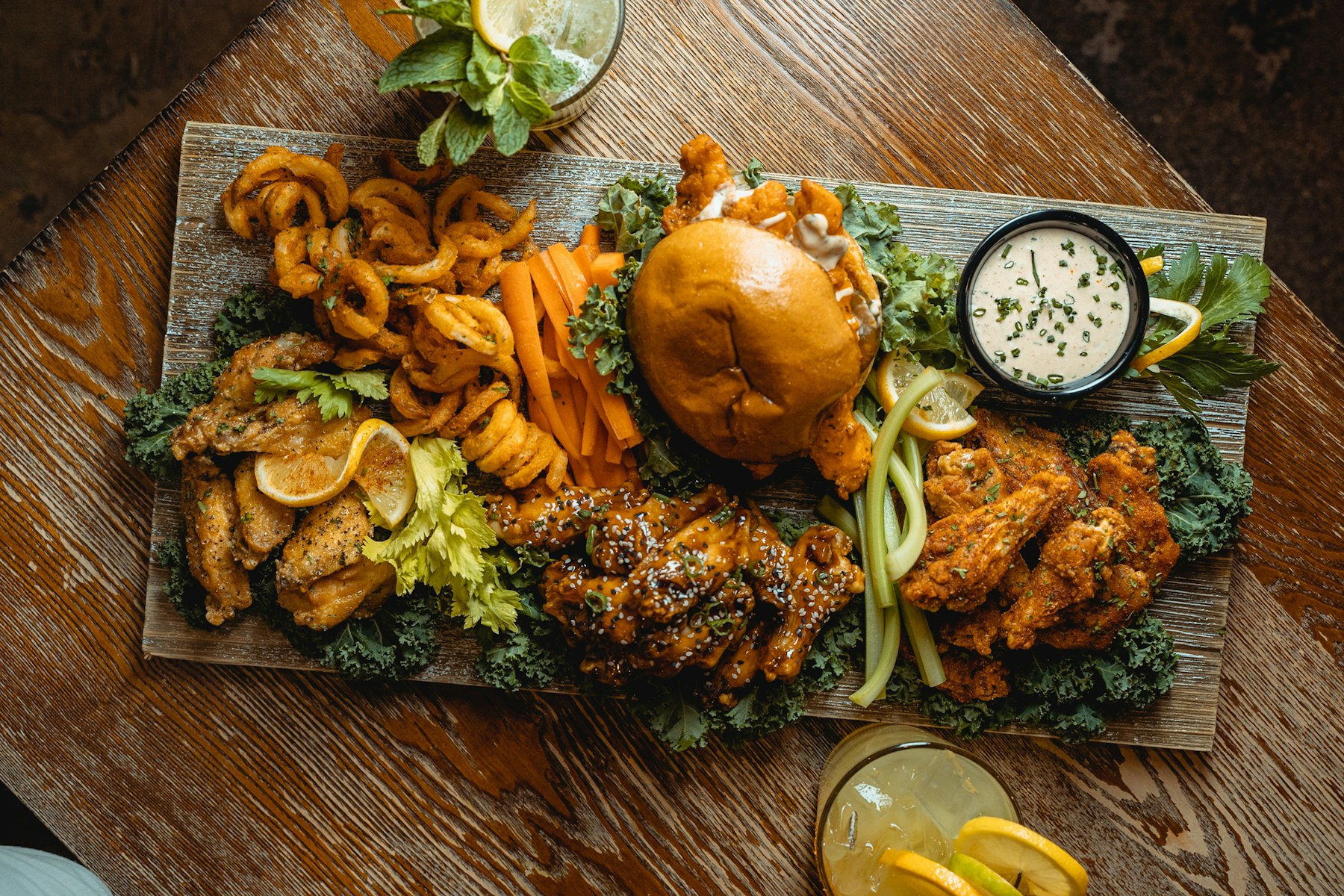
Fries are the default, and a po’boy plus fries is a full meal for most people. If you’re ordering for two and want variety, a 12-inch cut in half with a portion of wings covers more ground than two sandwiches. Our guide to wing quantities is useful if you’re building a shared order.
If you’re deciding between a po’boy and a cheesesteak, the difference is mostly the bread and whether the filling is fried or griddled — our cheesesteak explainer covers that side of it.
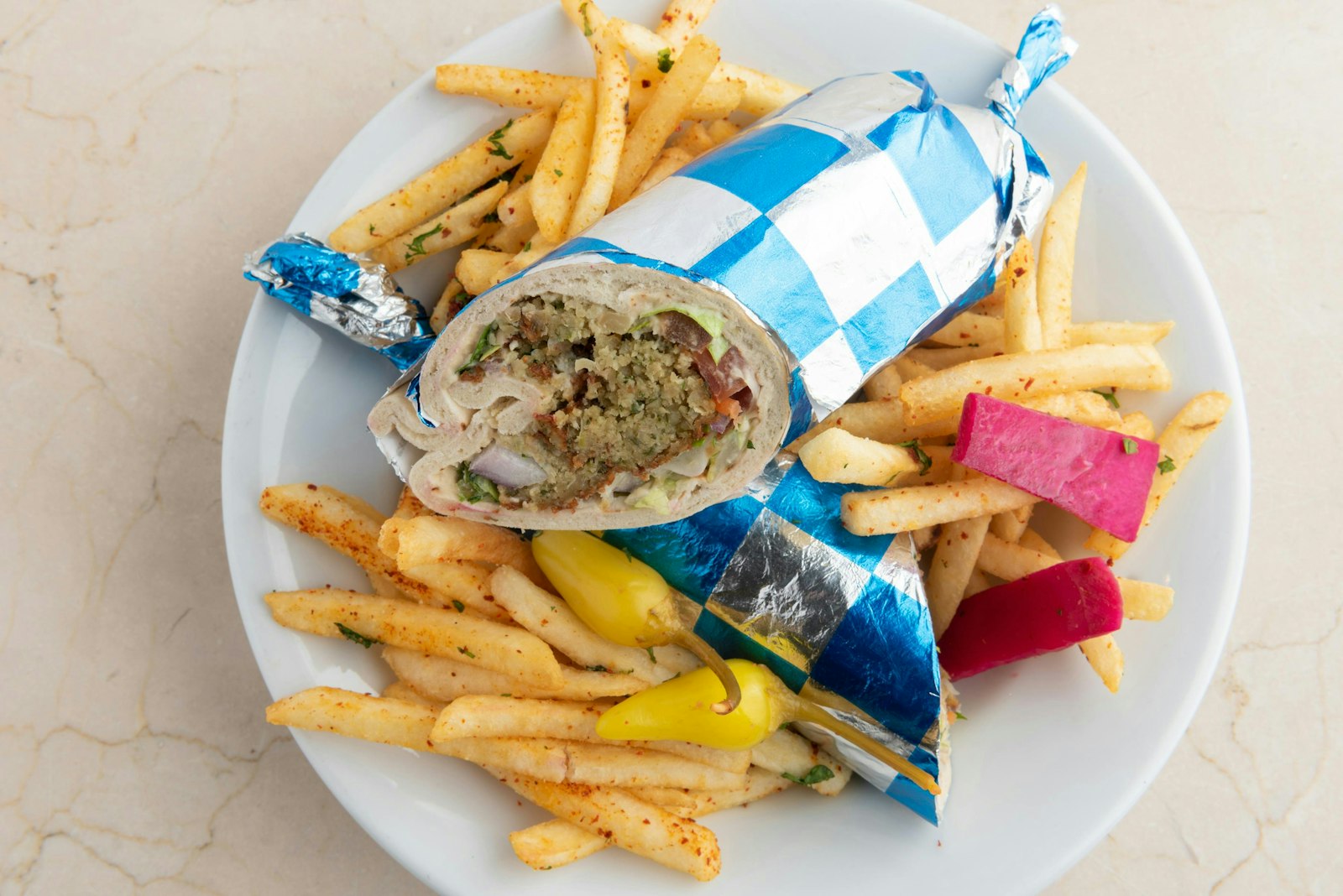
Nine po’boys on the menu
Shrimp, fried fish, French dip and more — in 7-inch and 12-inch sizes.
Frequently asked questions
Is a po’boy the same as a sub?
No. The bread is different — a po’boy uses New Orleans French bread with a crisp crust and airy inside, while a sub uses a softer, denser roll.
What does “dressed” mean on a po’boy?
Lettuce, tomato, pickles and mayonnaise. Ordering it plain means none of those.
What is the most popular po’boy filling?
Fried shrimp is the classic, with roast beef in gravy close behind.
Can you get a po’boy in a smaller size?
Yes — most of ours come in a 7-inch as well as a 12-inch.
More From the Kitchen