MENU GUIDES • 5 min read
Salt, Across the Menu
In the cure, in the bag, in the coating, in the cheese and in all sixteen cups — and three separate jobs.
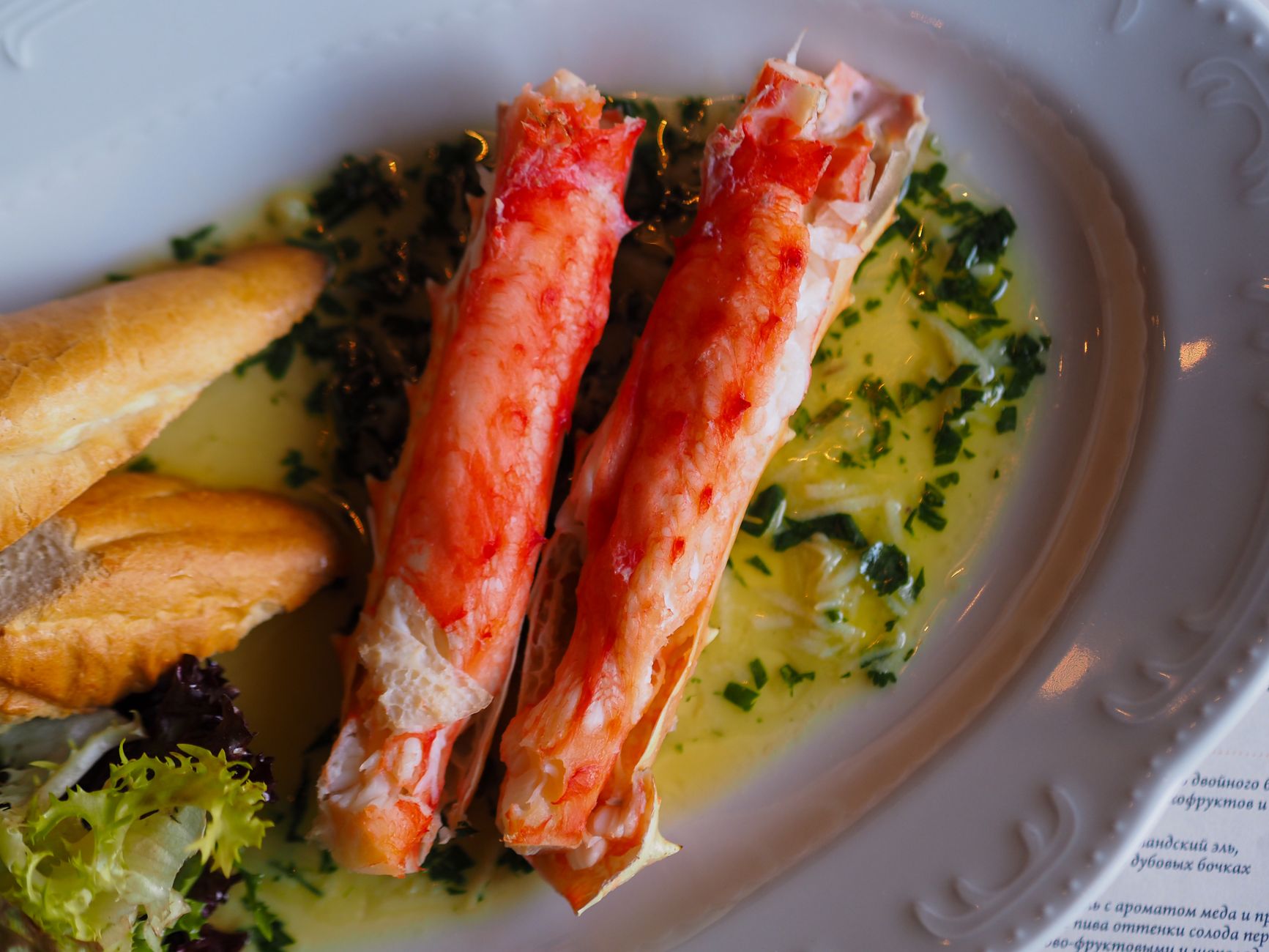
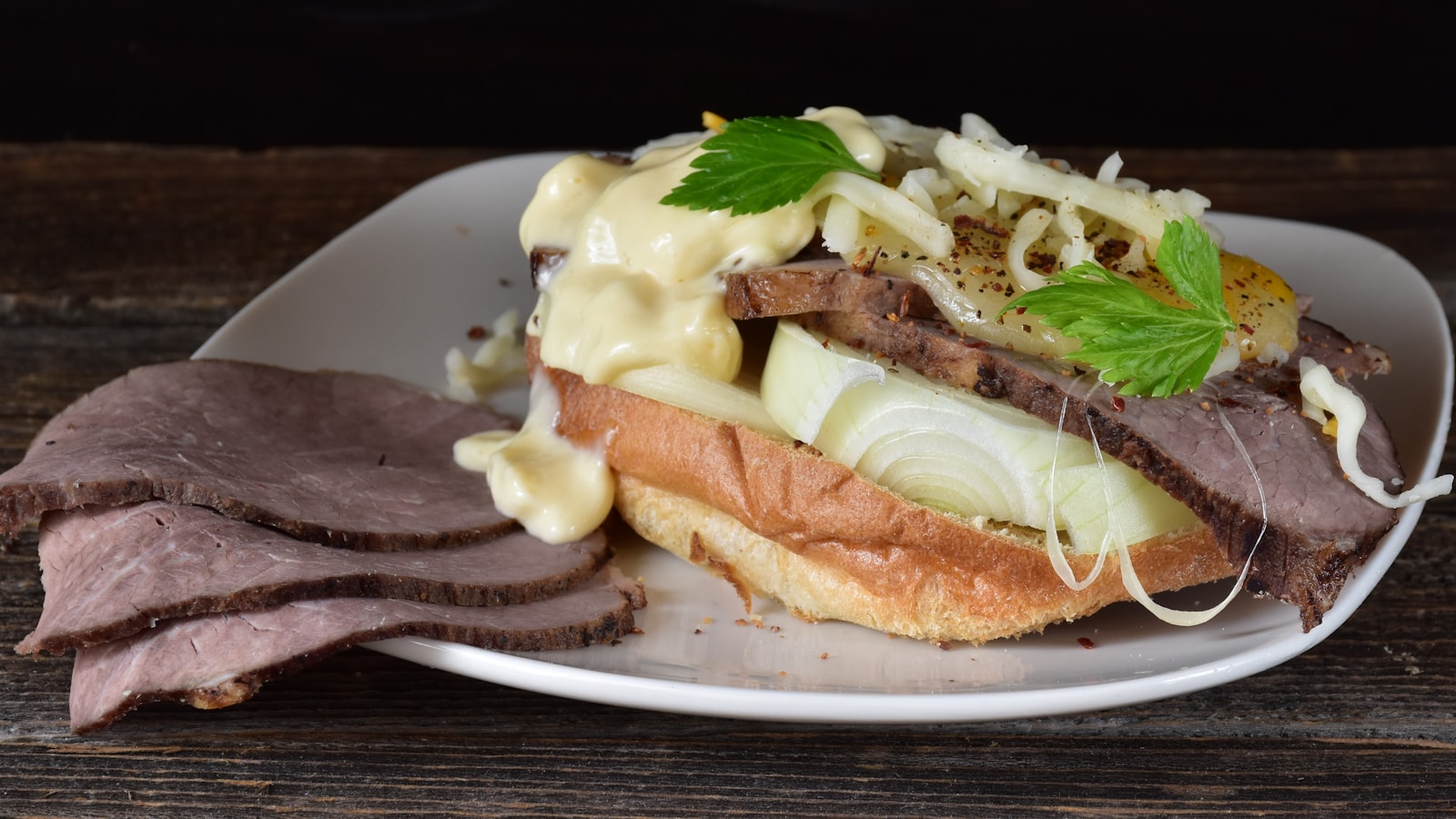
Salt amplifies other flavours rather than adding one, suppresses the bitterness browning produces, and preserves — which is where cured ham and bacon get their depth. The saltiest things here are the cured meats and the boils.
Salt is the least discussed and most consequential thing on any menu. It is in the cure on the ham and the bacon, in the seasoning on a boil, in every fried coating, in the cheese, in the pickles and in all sixteen sauce cups.
Get it right and you do not notice it. Get it wrong in either direction and it is the only thing you notice.
What salt actually does
Three separate jobs, which is why it is everywhere.
It amplifies. Salt makes other flavours more perceptible rather than adding one of its own, which is why an under-seasoned dish tastes flat rather than merely less salty.
It suppresses bitterness, which is part of why it works so well on browned and fried food, where some bitterness is a by-product of the cooking.
And historically it preserves. Salt draws water out of food and out of the microbes in it, which is the basis of curing — and the reason ham and bacon taste the way they do long before any heat is applied.
Where the salt is on this menu
| Route | Where | Effect |
|---|---|---|
| Curing | Ham, bacon | Deep, built in before cooking |
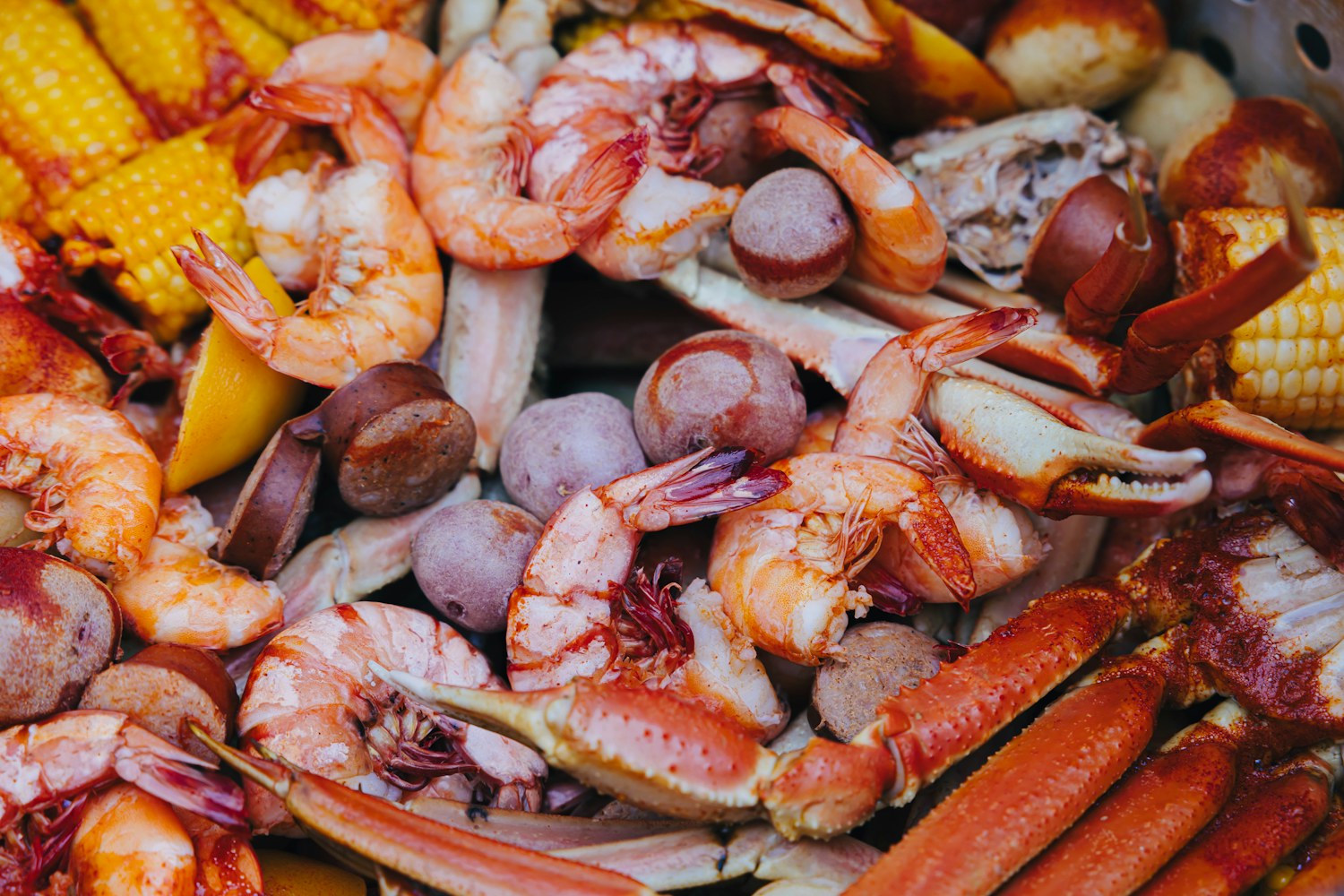
| Seasoning in the bag | Seafood boils | Coats everything, and keeps working |
| In the coating | All fried items | Immediate, on the surface |
| In the cheese | Every Philly, five sandwiches | Distributed through the filling |
| In the pickles and dressing | Seven po’boys | Sharp, concentrated bursts |
| In the cups | All sixteen sauces | Whatever you add |
Two things follow. Cured meats and boils are the saltiest things here by some distance, and the fried items are the most immediately salty because it is all on the surface where your palate meets it first.
Why fried food needs it and boils need it differently
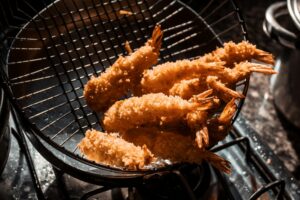
On a fried item the salt is in the coating, which is the first thing you taste and the part with the most surface area. It is doing its amplifying job on the coating rather than on what is underneath — which is why a well-seasoned coating makes a mild fish taste like more than it is.
In a boil, the salt is in the water and then in the bag, and it goes on working after it leaves the kitchen. That is the single most practical fact about ordering one: seasoning continues to penetrate on the way home, so a boil lands saltier and hotter at your table than it did in the kitchen. Our guide to the boil covers the ordering, and what travels best covers the journey.
The one that is deliberately unsalted
The corn and potatoes in a boil bag go in essentially plain, and they pick up only what the seasoning gives them. That is the point of them — they are the low-salt element in a very salty bag, and they exist so there is something to eat between mouthfuls of shellfish.
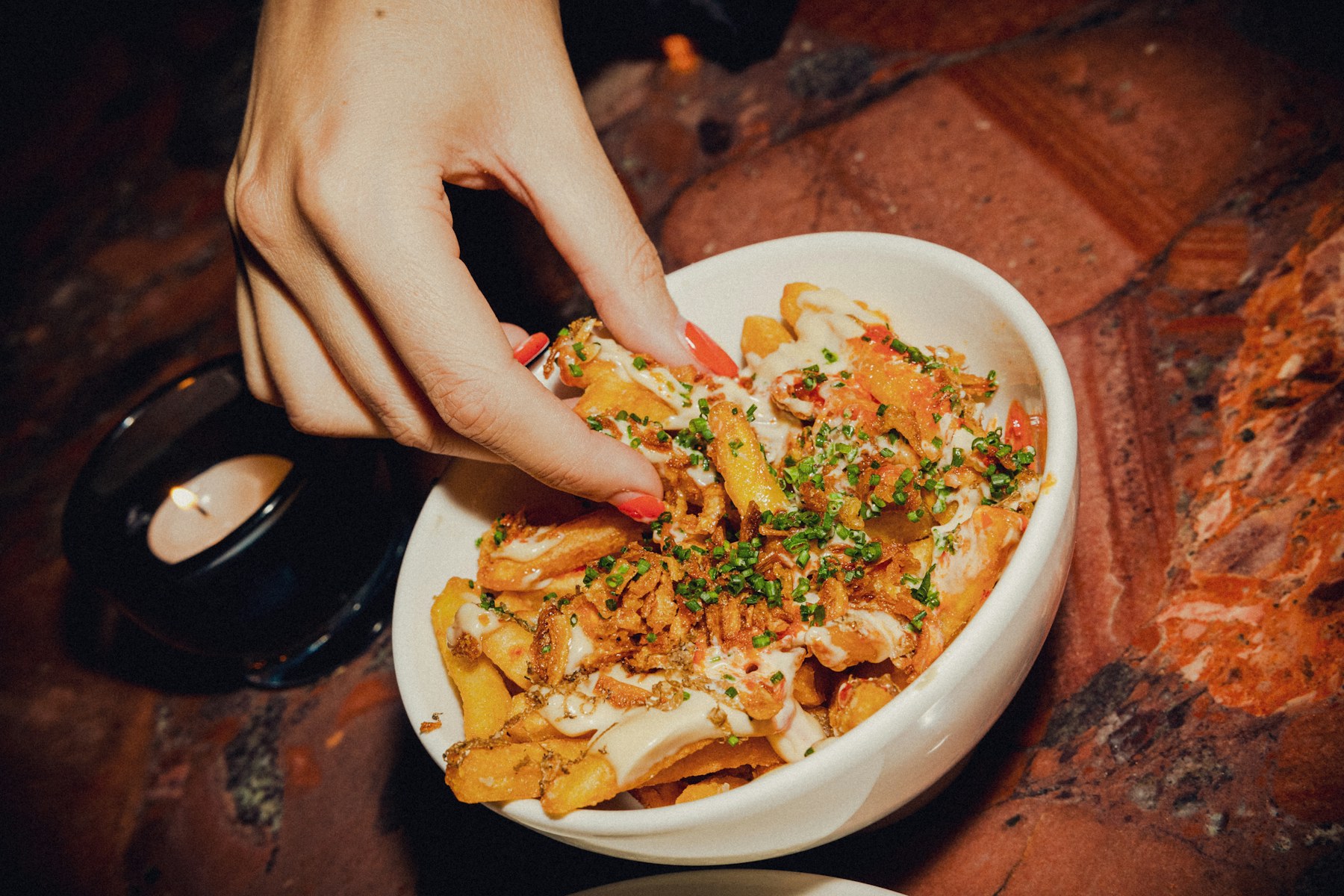
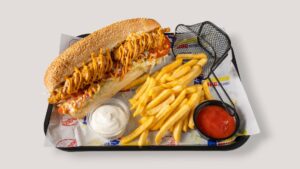
The same logic explains plain fries next to sauced wings, and plain bread with anything cured. A menu this salty needs somewhere for your palate to rest, and starch is what that looks like.
What to do when something is too salty
Not water, which does very little. Three things actually help:
- Fat — a creamy dip. Ranch or blue cheese blunts salt as well as heat
- Starch — plain bread, plain fries, the corn and potatoes in a boil bag. They are in there partly for this
- Acid — a pickle or a squeeze of something sharp resets rather than dilutes
- Something cold — a salad, or the raw salad in a dressed sandwich
The corn and potatoes in a boil are the clearest example of a kitchen planning for this. They are bland, starchy and abundant, and they sit in the bag soaking up seasoning precisely so there is something to eat between the shellfish.
Why the sauce cups are all salty
Every one of the sixteen cups carries salt, including the sweet ones, and that is not laziness. A dip has to register in a single small quantity against food that is already seasoned — and salt is the fastest way to make anything register.
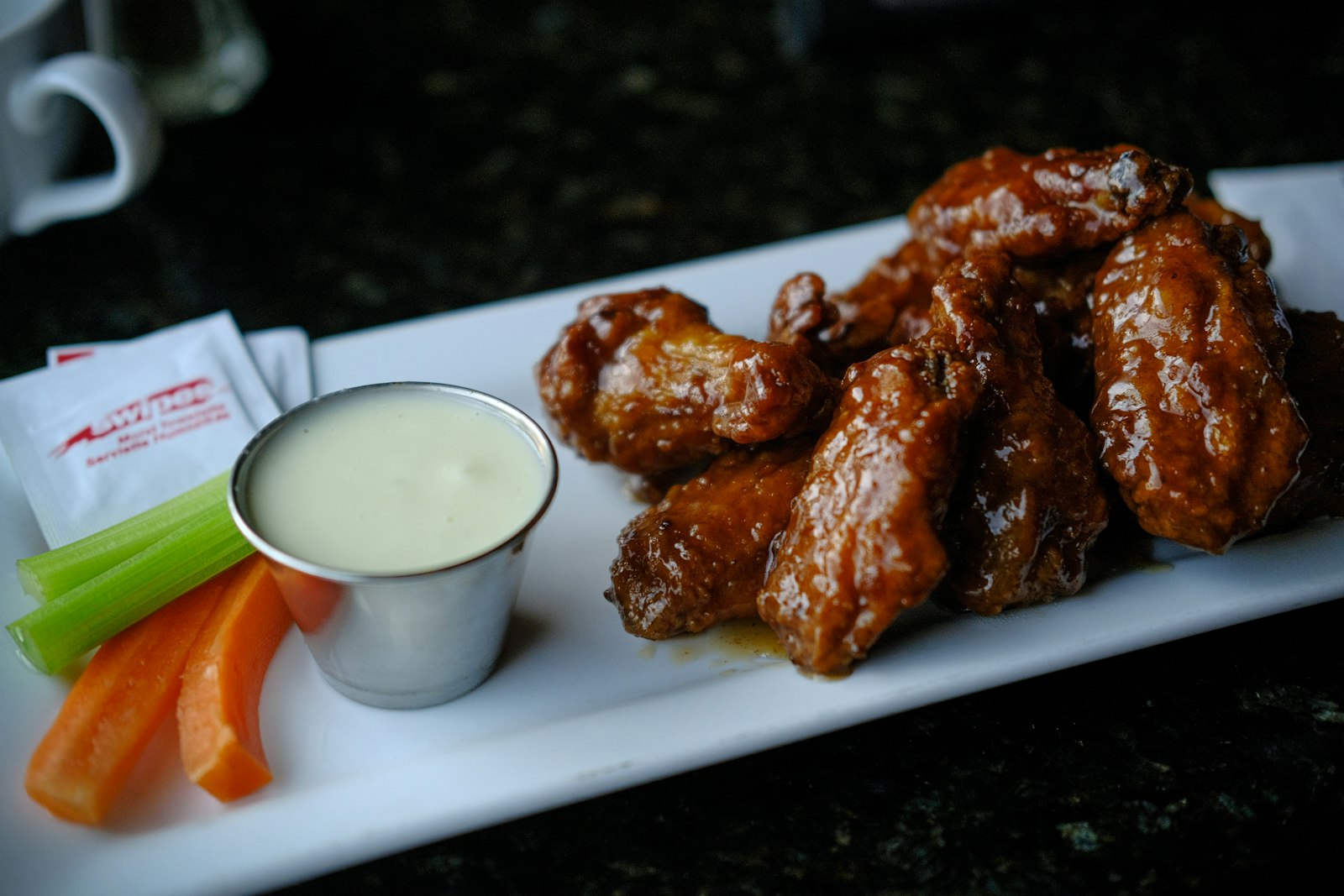
It also explains why adding two or three cups to an order changes it more than people expect. Each one is concentrated, and the amount that ends up on the food is not small once you have worked through twenty wings. If an order tastes saltier than you wanted, the cups are usually the reason rather than the kitchen.
Ordering with salt in mind
- Two cured items in one order — ham and bacon — is a lot of salt
- A boil plus fried sides doubles up; add a salad instead
- Order the spice level down and the salt takes care of itself, since the seasoning carries both
- Ranch and blue cheese cut salt as well as heat, which is half of why they work with wings
Ordering a boil for someone sensitive to salt? Ask for extra corn and potatoes rather than less seasoning. The seasoning is what you came for; the starch is what makes it comfortable to eat a pound of.
This is one of five pieces on the things that make food here taste the way it does. The others are on acidity, temperature, and the rest of this set.
The short version
Salt amplifies other flavours rather than adding one, suppresses bitterness in browned food, and preserves — which is where cured ham and bacon get their depth. The saltiest things here are the cured meats and the boils, and the antidotes are fat, starch, acid and something cold, in that order.
Season it yourself
On a boil you choose the seasoning and the spice level separately.
Frequently asked questions
Why is salt in almost everything?
It amplifies other flavours rather than adding one of its own, and it suppresses the bitterness that browning and frying produce.
What is the saltiest thing on the menu?
Cured meats — the ham and the bacon — and the seafood boils, where seasoning coats everything in the bag.
Why does a boil taste saltier at home?
The seasoning keeps working in a closed bag on the way back, so it lands saltier and hotter than it did in the kitchen.
What helps if something is too salty?
Fat, starch, acid and something cold — a creamy dip, plain fries or bread, a pickle, or a salad. Water does very little.
Why do boils come with corn and potatoes?
Partly for bulk, and partly because bland starch is what makes a heavily seasoned bag comfortable to eat a pound of.
More From the Kitchen