CHEESESTEAKS • 5 min read
Why Browning Matters
The seared edge, the golden coating, the crust on a roll — one reaction, and most of what makes cooked food taste good.
Browning is a reaction between proteins and sugars at a hot, dry surface that creates flavour compounds not present in the raw ingredient. It is why cheesesteak meat is sliced thin and chopped, why oil temperature matters, and why steam in a bag costs so much.
Nearly every recommendation on this site rests on one thing that never gets named: browning. The seared edge on chopped ribeye, the gold on a fried coating, the crust on a blackened chicken breast, the colour on an Amoroso roll — all the same process, and it is where most of the flavour in cooked food actually comes from.
What browning is
When food gets hot enough and dry enough at the surface, the proteins and sugars in it react with each other and produce hundreds of new compounds that were not there before. That reaction is named after the chemist who described it — the Maillard reaction — and it is the difference between cooked and merely heated.
The important part is the conditions. It needs heat and it needs the surface to be relatively dry. Wet food steams instead, and steamed food goes grey and tastes of itself rather than of anything new.
Why the flat top is set up for it
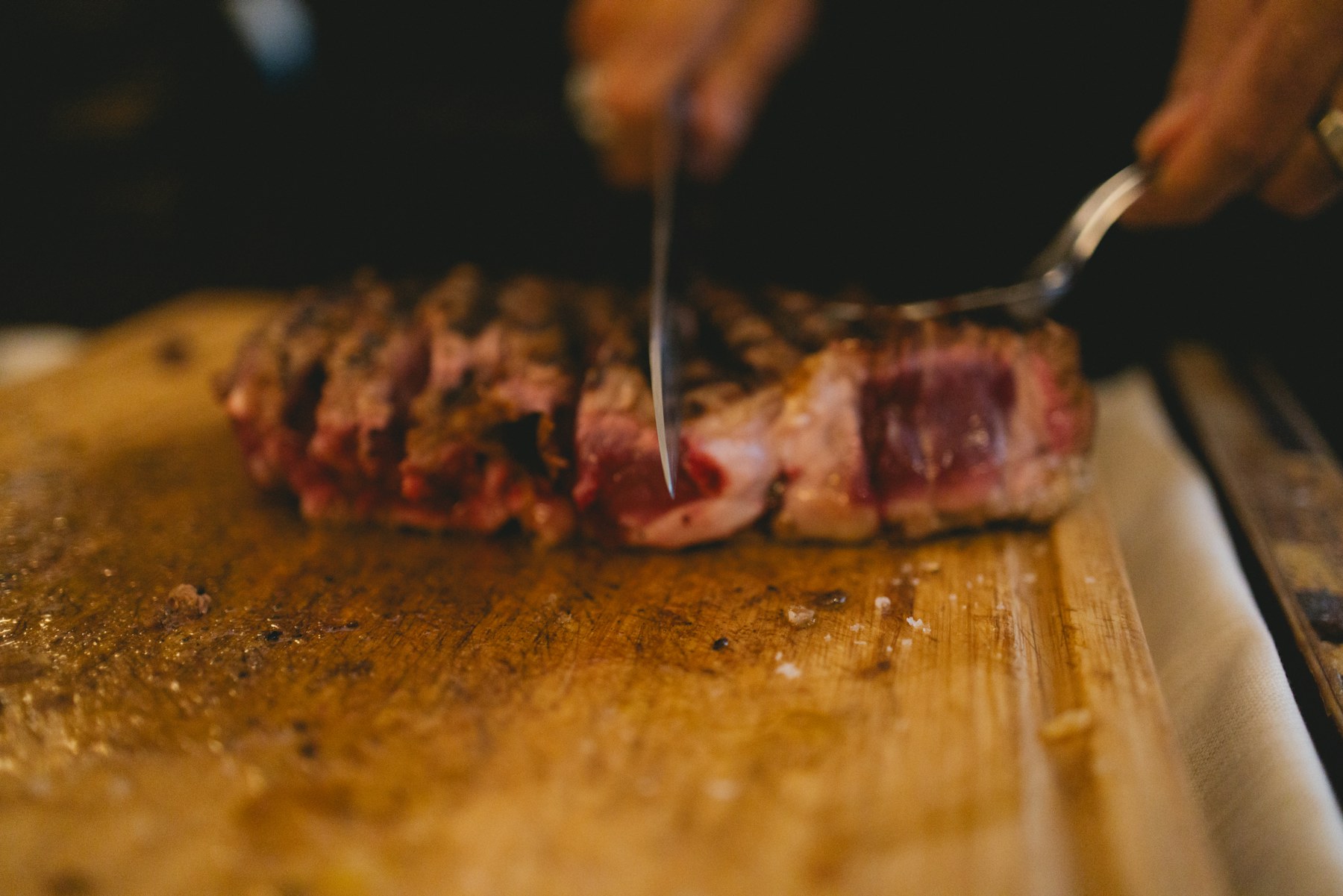
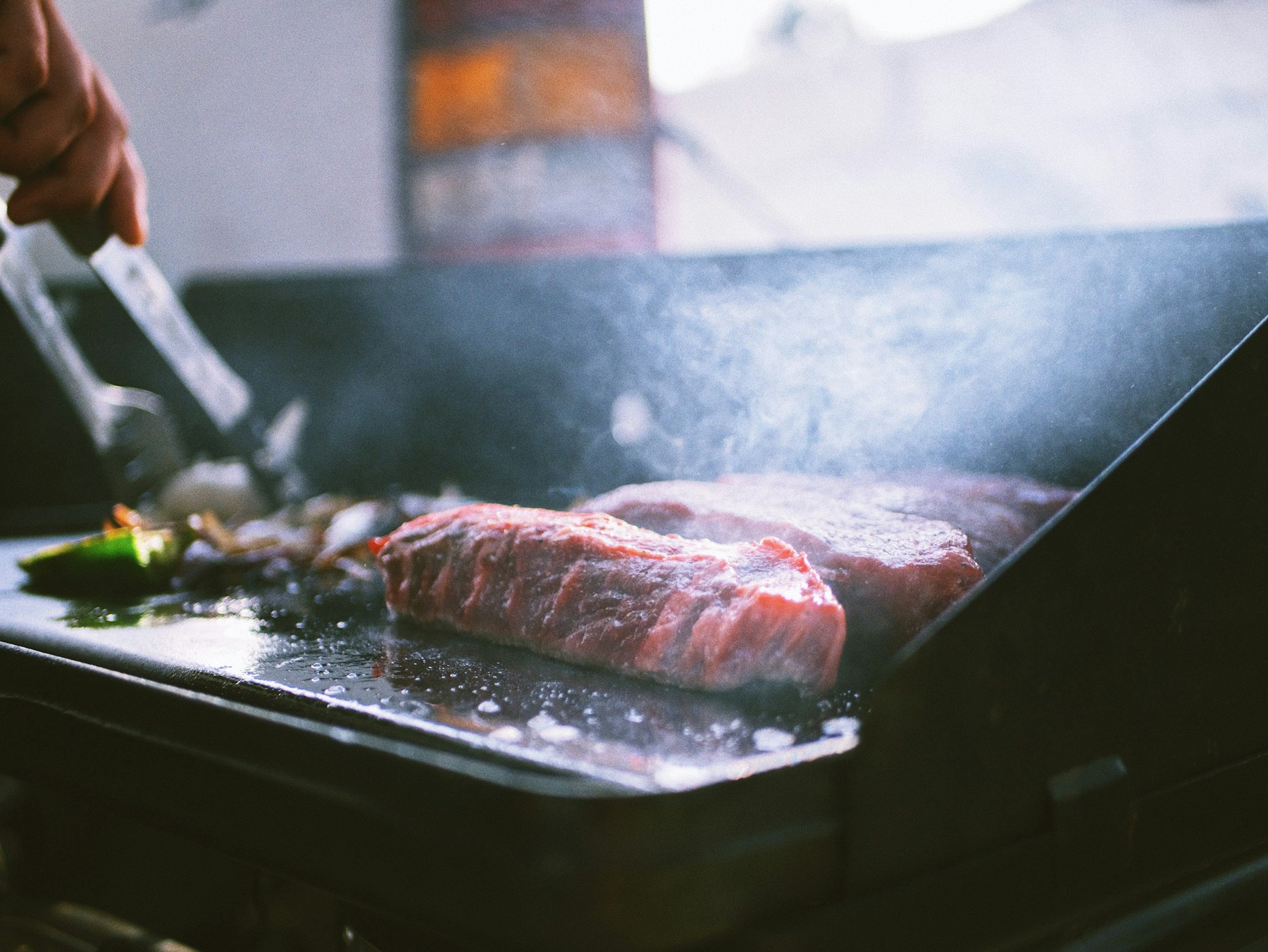
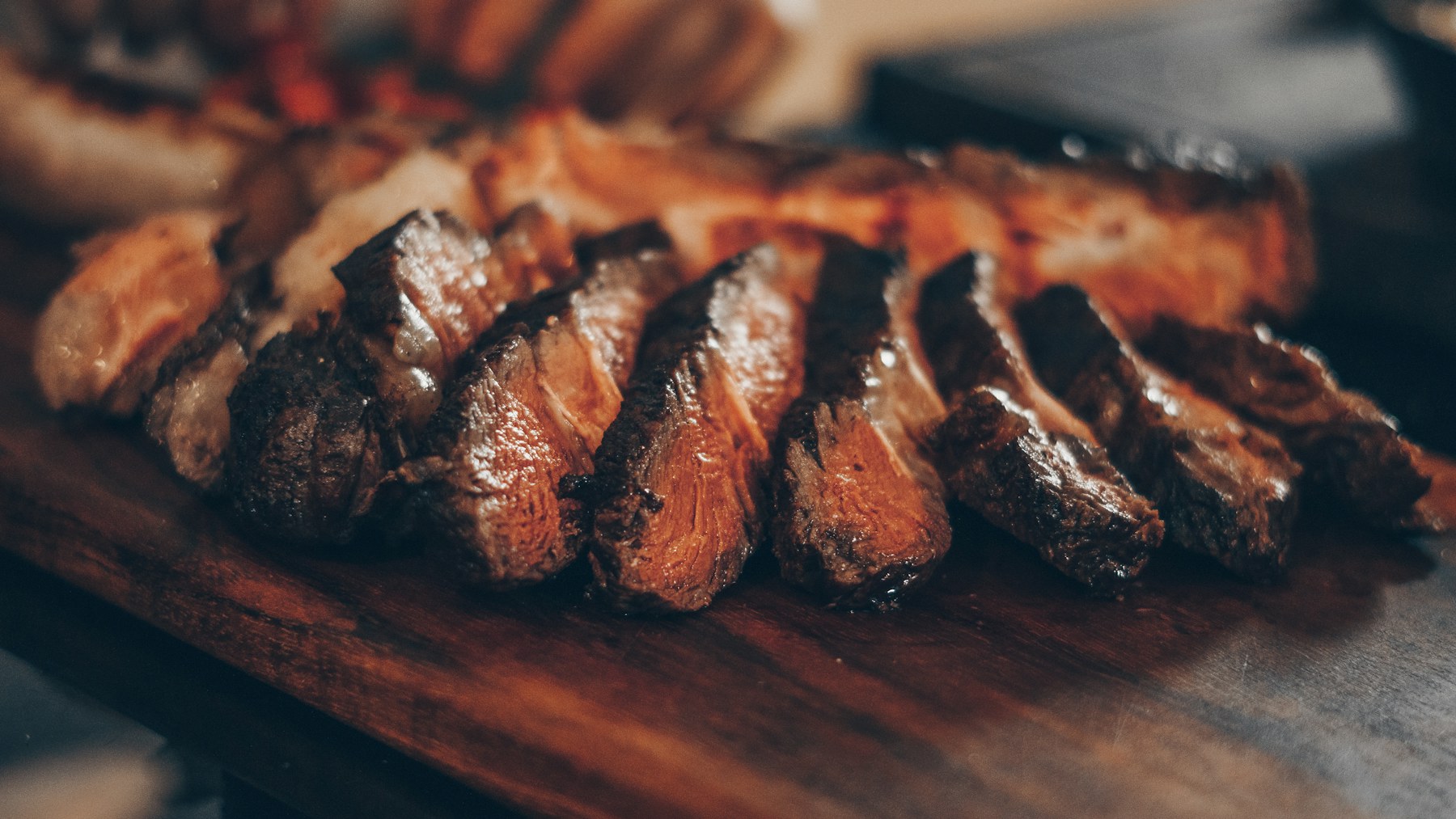
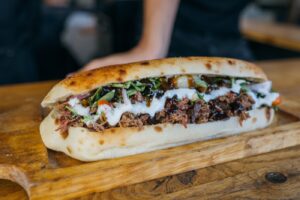
A flat top is a solid, very hot surface, and that is exactly what browning wants. Thin-sliced ribeye laid on it browns almost immediately, and chopping it as it cooks exposes new surfaces to do it again.
That is the whole technique in one sentence: maximise the amount of surface touching the heat. Slicing thin does it, chopping does it, and doing both is why a cheesesteak tastes like more than sliced beef with cheese on it. There is more in what philly style means.
- Thin slices brown faster and more completely than thick ones
- Chopping exposes new surface, so it browns twice
- Crowding the griddle traps moisture and produces steaming instead
- Fat helps — it conducts heat and prevents sticking
Browning in the fryer
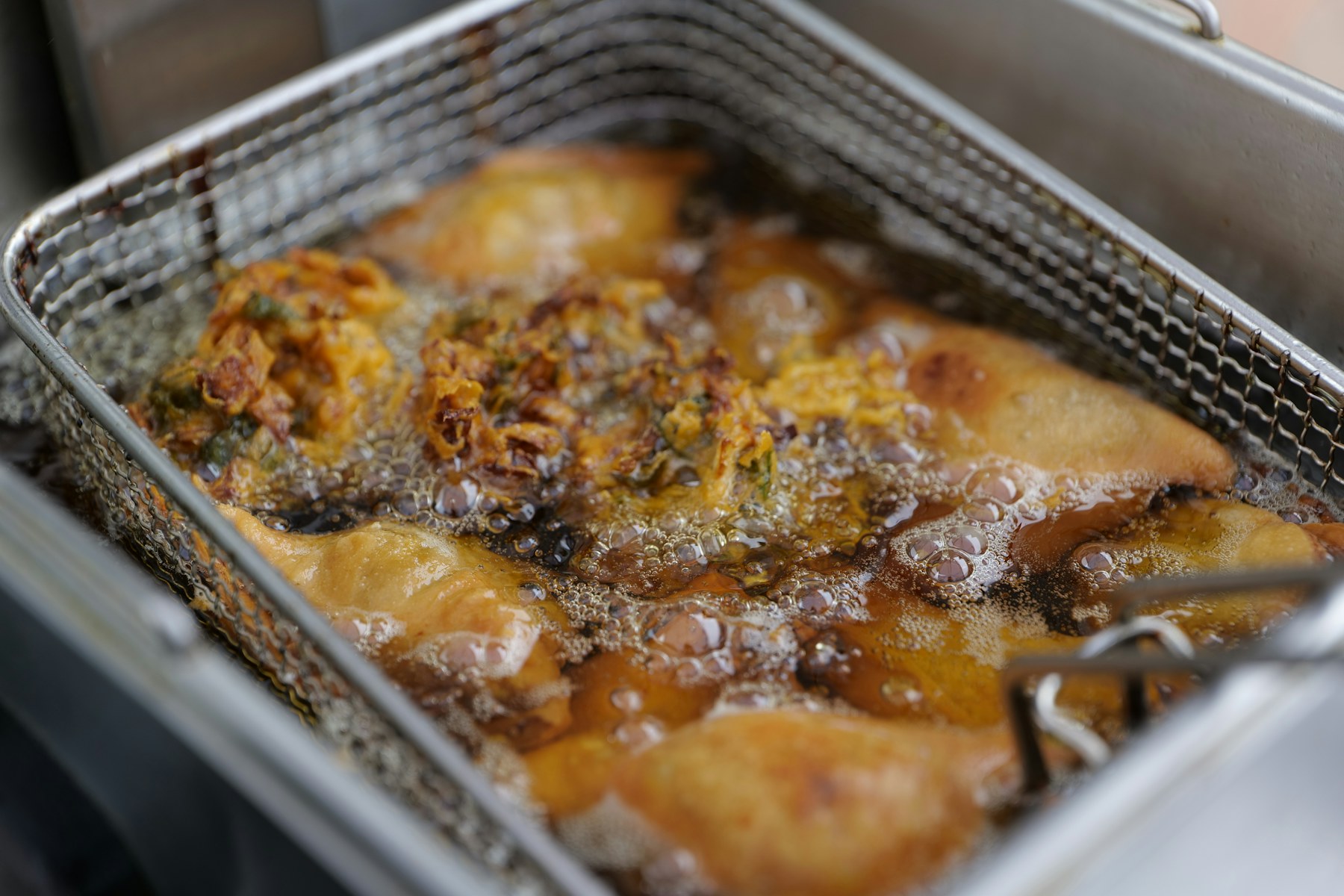
The same reaction, different medium. Hot oil surrounds the food completely, so the browning happens evenly rather than only where it touches metal — which is why fried food is uniformly gold and griddled food is patchy.
Oil temperature is the whole game. Too cool and the coating absorbs oil before it browns, which is what greasy means. Hot enough and the surface sets and colours before much oil gets in. That is also why a fryer holds a fixed amount and large orders come in batches — made to order covers the practical consequences.
Browning you can taste in the bread
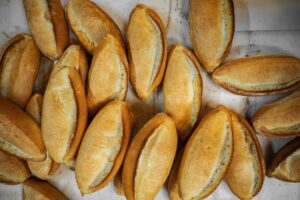
Easy to overlook, but the crust on a roll is the same reaction. It is why the outside of a good roll tastes different from the inside, and why a warmed roll tastes better than a cold one — heat drives a little more of it.
It is also why a soggy roll is such a loss. Once the crust absorbs moisture, the browned layer softens and stops reading as a separate thing, and you are left with bread rather than crust and crumb. Our piece on the Amoroso roll covers why that particular crust suits a hot filling.
Why crowding the pan ruins it
The single most common mistake in any kitchen, professional or domestic, and it is worth understanding because it explains why large orders come out in batches here rather than all at once.
Food releases water as it heats. On a hot surface with room around it, that water evaporates away and the surface stays dry enough to brown. Crowd the surface and the water has nowhere to go — the temperature drops, steam builds up, and the food poaches in its own moisture instead of browning.
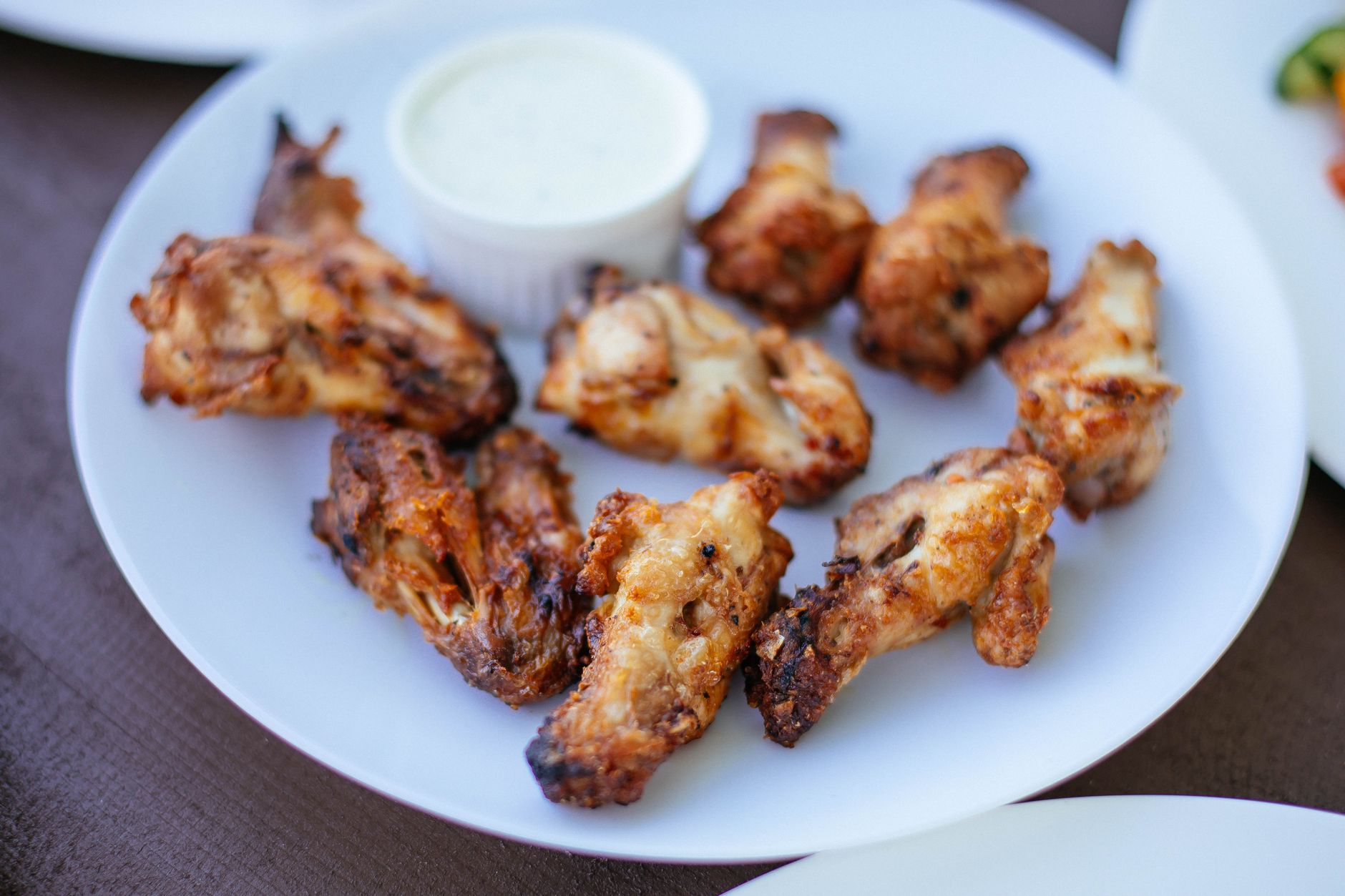
Grey, slack meat is what that looks like. It is also why a fryer holds a fixed amount and why a hundred wings is ten batches rather than one — the same physics, in oil rather than on metal.
Why browned food needs salt
Browning produces some bitterness alongside everything else it produces, and salt suppresses bitterness more effectively than anything else available. That is most of why fried and griddled food is seasoned as heavily as it is — not to taste salty, but to keep the bitter edge of browning in the background.
It is also why an under-seasoned fried item tastes not just bland but slightly off. There is more on that in salt across the menu.
Where browning is deliberately avoided
Not everything wants it, which is the useful half of understanding it:
| Browned | Not browned | |
|---|---|---|
| Meat | Ribeye, chicken on the griddle, bacon | Boiled shrimp, crab and crawfish |
| Coating | All fried items | None |
| Bread | The crust | The crumb inside |
| Vegetables | Grilled onions | Everything in the dressing |
| Why | Flavour that was not there before | To keep the ingredient tasting of itself |
A seafood boil is the clearest case. Nothing in the bag is browned, and that is the point — shellfish is delicate and sweet, and browning would bury it under something louder. The seasoning does the work that browning does elsewhere. Our guide to the boil covers how the flavour actually gets in.
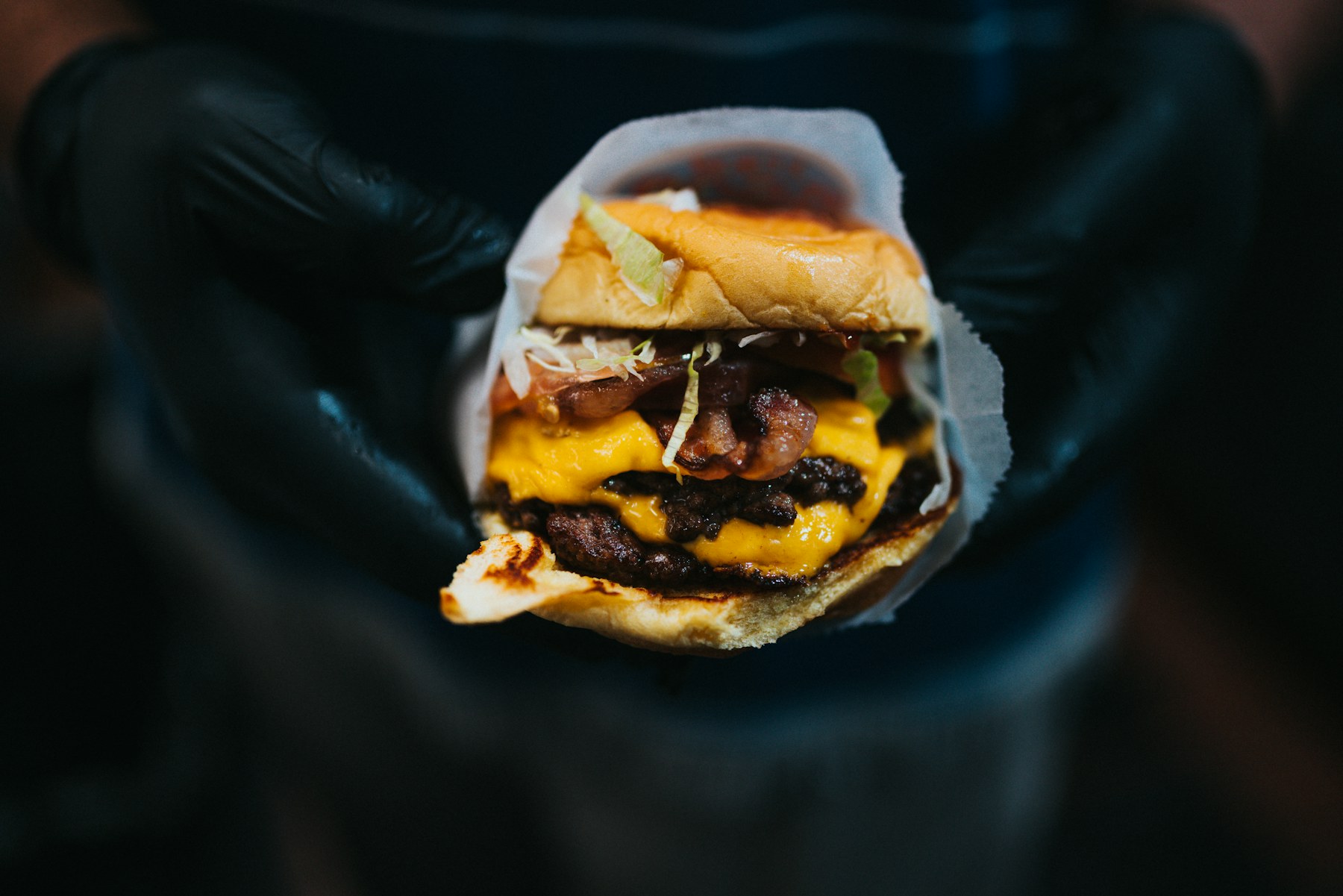
Ordering a cheesesteak and want the most out of it? Eat it in. Browning is a surface phenomenon, and the surface is the first thing steam softens in a wrapped sandwich. Ten minutes in a bag costs you more of what makes it good than ten minutes of cooling does.
This is one of five pieces on the things that make food here taste the way it does. The others are on acidity, temperature, and the rest of this set.
The short version
Browning is a chemical reaction between proteins and sugars at a hot, dry surface, and it creates flavour that was not in the raw ingredient. It is why thin slicing and chopping matter on a griddle, why oil temperature matters in a fryer, and why a crust tastes different from crumb. It is also the first thing lost to steam.
Where browning happens
Chopped on the flat top, fried in oil, or baked into a crust.
Frequently asked questions
What is browning, in cooking?
A reaction between proteins and sugars at a hot, dry surface — the Maillard reaction — which creates hundreds of flavour compounds that were not in the raw ingredient.
Why is cheesesteak meat sliced so thin?
To maximise the surface touching the griddle. More surface means more browning, and browning is where the flavour is.
Why does fried food brown evenly and griddled food unevenly?
Oil surrounds the food completely; a griddle only touches one face at a time.
Why is nothing in a seafood boil browned?
Because shellfish is delicate and sweet, and browning would bury it. The seasoning does that job instead.
Why does a sandwich lose quality in a bag?
Browning is a surface phenomenon and steam softens surfaces. That costs more than the cooling does.
More From the Kitchen