MENU GUIDES • 5 min read
What Does ‘Blackened’ Mean?
Not burnt, and not necessarily spicy — a dry spice crust built in a very hot pan, with Louisiana behind it.
Blackened means coated in a dry spice blend and cooked fast in a very hot pan, so the spices and butter darken into a crust. The colour is toasted seasoning, not burning, and it is not the same thing as spicy. Two items here use it.
Two things on this menu are described as blackened, and it is one of the few cooking terms here that people routinely read as a warning. It is not. Blackened does not mean burnt, and it does not necessarily mean hot.
It means a specific technique: coated in a dry spice blend and cooked in a very hot pan until the spices and butter darken on the surface.
What the technique actually is
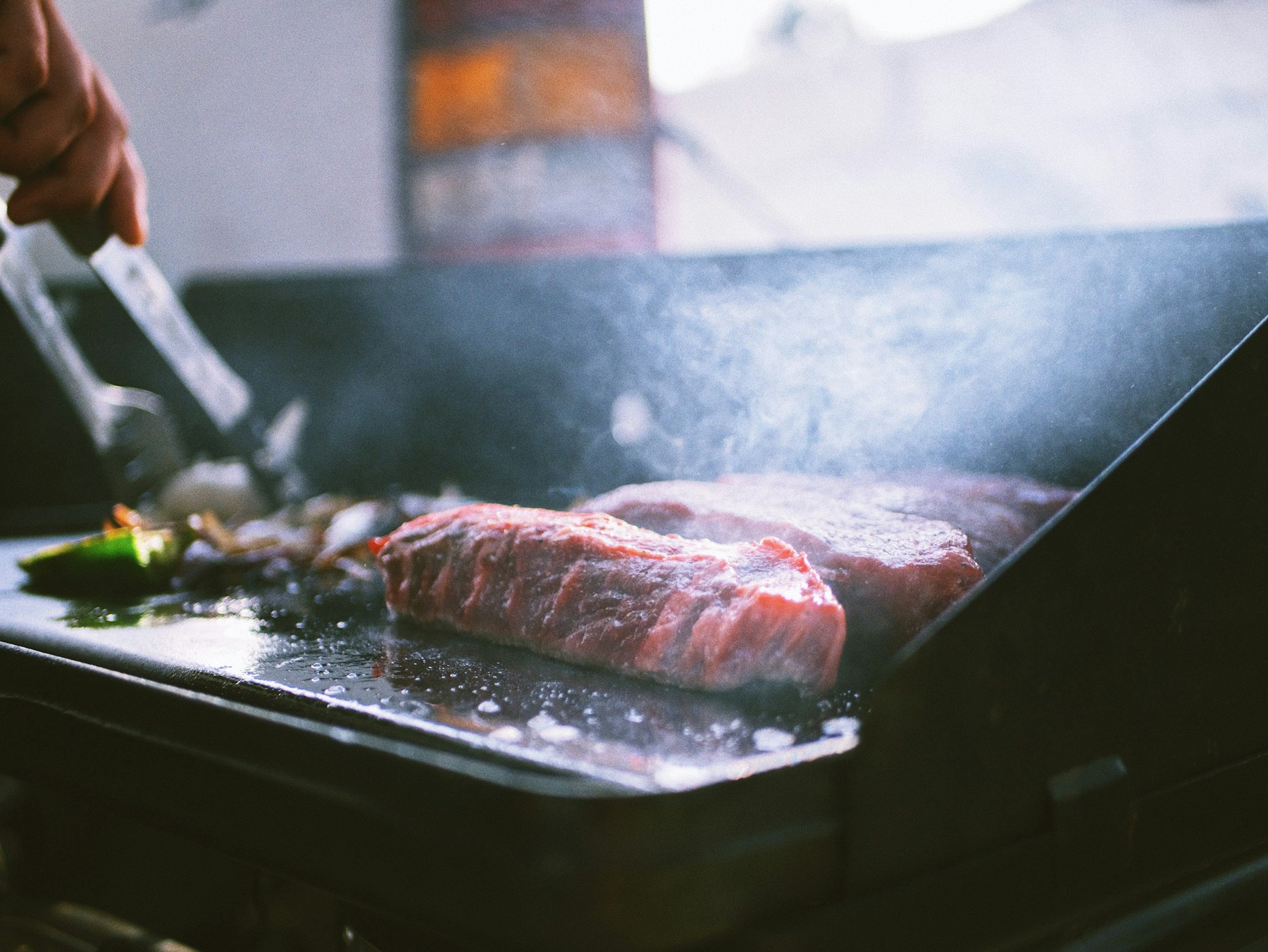
The food — usually fish or chicken — is dipped in butter, pressed into a mix of dried herbs and spices, and dropped into a pan hot enough that the coating darkens almost immediately. The blackening is the spices toasting and the butter solids browning, not the protein burning.
The result is a dark, dry, intensely seasoned crust over something that is still moist inside, because the whole thing happens fast. That speed is the point: long enough to build the crust, short enough that the inside never dries out.
Where it comes from
Louisiana, and much more recently than most people assume — the technique was popularised in the early 1980s and spread across American menus within a decade. It draws on Cajun cooking, the Louisiana tradition that also gave us the po’boy and the seafood boil — two other things on this menu with the same roots.
That is not a coincidence. A menu with po’boys, boils and blackened chicken on it is drawing from one regional tradition in three different ways.
Blackened is not the same as spicy
The most common misreading, and worth being clear about. A blackening blend usually contains paprika, garlic, onion, thyme, oregano and black pepper, and often cayenne — so there is frequently some heat, but heat is not what defines it. What defines it is the volume of dried seasoning and the speed of the cooking.
| Blackened | Grilled | Fried | |
|---|---|---|---|
| Coating | Dry spice blend | None or light seasoning | Wet batter or breading |
| Cooked in | A very hot dry pan | Over direct heat | Hot oil |
| Surface | Dark, dry, crusted | Marked, mostly bare | Golden and crisp |
| Tastes of | The spice blend, strongly | The protein | The coating |
| Heat level | Depends on the blend | None | None |
Compared with anything battered, blackened food is lighter — there is no coating absorbing oil, just spice and a little butter. That makes it one of the few things on a menu like this one that is neither fried nor plain.
Where it appears on our menu
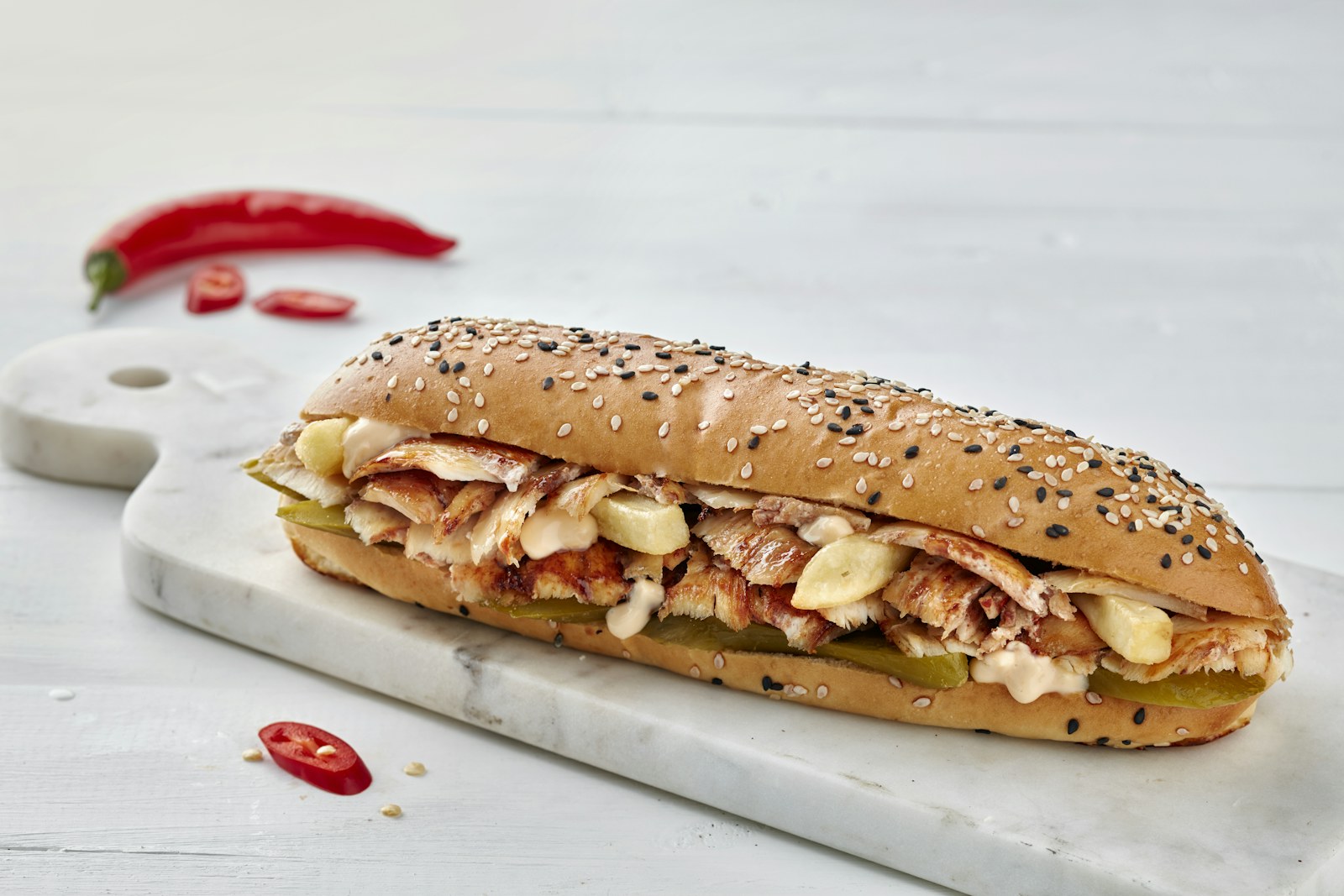
- Blackened Herb Chicken Po’boy — served sliced philly style, dressed with lettuce, tomato, mayo and pickles. In a 7-inch and a 12-inch
- L1 on the lunch menu — the same sandwich at 7 inches, with fries or onion rings and a drink, weekdays until half past three
- Tiger Steak — a Philly with jalapenos and a blackened beer sauce, and the only item on the menu carrying a warning
Those two are very different propositions. The po’boy is the mild one: the seasoning does the work and the dressing cools it. The Tiger Steak is not mild at all, and the blackened element there is a sauce rather than a crust. Our guide to what is actually spicy puts both in context.
Why it suits chicken breast
Because chicken breast has almost no fat and dries out easily, and blackening is about the fastest way to cook it. High heat, a couple of minutes, a crust that seals the surface — the inside never has time to lose moisture.
The dry spice crust also gives lean meat something to taste of. A plain grilled chicken breast in a sandwich relies entirely on the dressing; a blackened one brings its own flavour and stands up to being sliced philly style and dressed on top.
Ordering the blackened herb chicken for someone cautious about spice? It is the mild one. The seasoning is aromatic rather than hot, and the lettuce, tomato and mayo it comes dressed with take the edge off anything that is there.
Blackened, dressed, philly style: three terms, one sandwich
The blackened herb chicken po’boy carries three pieces of menu vocabulary at once, and together they describe the whole sandwich before you have seen it.
| Term | What it tells you |
|---|---|
| Blackened | A dry spice crust, built fast in a very hot pan |
| Herb | The blend leans aromatic rather than purely hot |
| Philly style | Sliced thin and chopped on the flat top, not a whole fillet |
| Dressed | Lettuce, tomato, mayo and pickles, as standard |
| 7″ or 12″ | Both sizes, and the 7-inch is a full lunch |
Read together: a spiced, chopped chicken filling with cold salad over it, in a long roll. That is a genuinely unusual combination, and it is why this sandwich does not eat like anything else on the po’boy list.
Why it is not on the fish
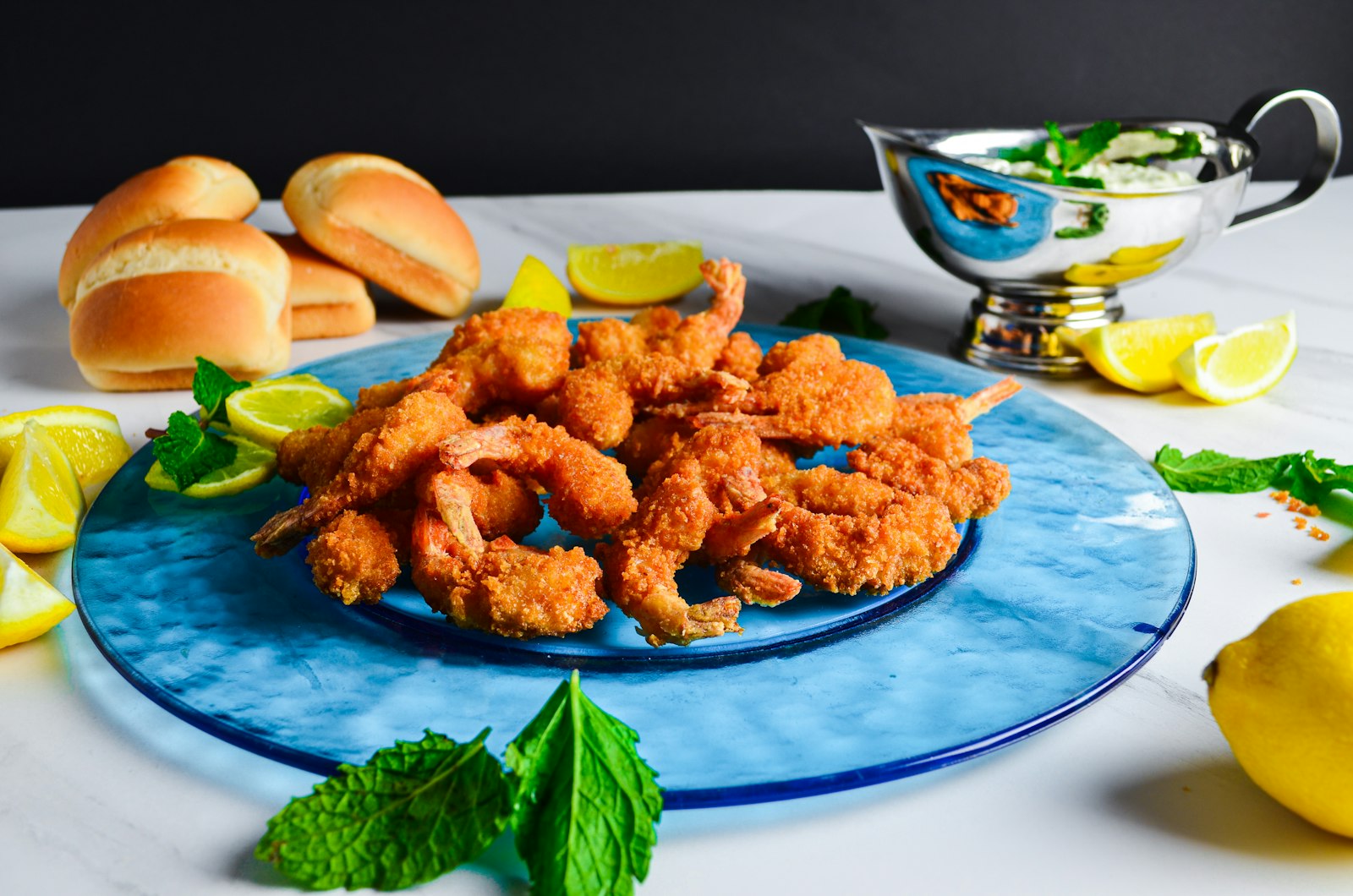
A fair question, since blackening is most associated with fish and this menu has plenty of it. Our fried fish is battered rather than blackened — catfish or tilapia, in a coating, with tartar.
The two techniques solve different problems. Batter puts a barrier between the fish and the heat and delivers crunch; blackening puts seasoning directly against the surface and delivers a crust. Both keep a delicate protein moist, and which you prefer is largely a question of whether you want the coating to be the texture or the seasoning to be the flavour. Our guide to choosing between catfish and tilapia covers the fried side.
What to order with it
Something plain. A blackened sandwich already carries a strong, dry, aromatic crust, so a side with its own personality competes rather than complements.
- Fries — the right call here, precisely because they are mild
- A plain salad, if you want the meal lighter still
- Avoid loaded fries — jalapeno and bacon on top of a spiced crust is a lot
- A sauce cup is unnecessary; the sandwich is already dressed
The short version
Blackened means coated in dry spice and cooked fast in a very hot pan. The dark crust is toasted seasoning, not burning, and it is not the same thing as spicy. Two items here use it: the blackened herb chicken po’boy, which is mild, and the Tiger Steak, which is not. They are on the po’boy menu and the Philly menu.
Two blackened items
The blackened herb chicken po’boy, and the Tiger Steak with its blackened beer sauce.
Frequently asked questions
What does blackened mean?
Coated in a dry spice blend and cooked fast in a very hot pan, so the spices and butter darken into a crust. The colour is toasted seasoning, not burning.
Is blackened food spicy?
Not necessarily. Blends usually contain paprika, garlic, onion, herbs and pepper, often with some cayenne, but the defining feature is the seasoning and the speed, not the heat.
What is blackened on your menu?
The Blackened Herb Chicken po’boy, which is also L1 on the lunch menu, and the Tiger Steak, which uses a blackened beer sauce.
Is blackened healthier than fried?
It is lighter, in the sense that there is no batter absorbing oil — just spice and a little butter.
Where did blackening come from?
Louisiana, popularised in the early 1980s. It draws on Cajun cooking, the same tradition behind the po’boy and the seafood boil.
More From the Kitchen