SANDWICHES • 5 min read
What Is a French Dip Sandwich?
Roast beef, a sturdy roll and a cup of au jus on the side — plus why it is the one sandwich that deliberately comes undressed.
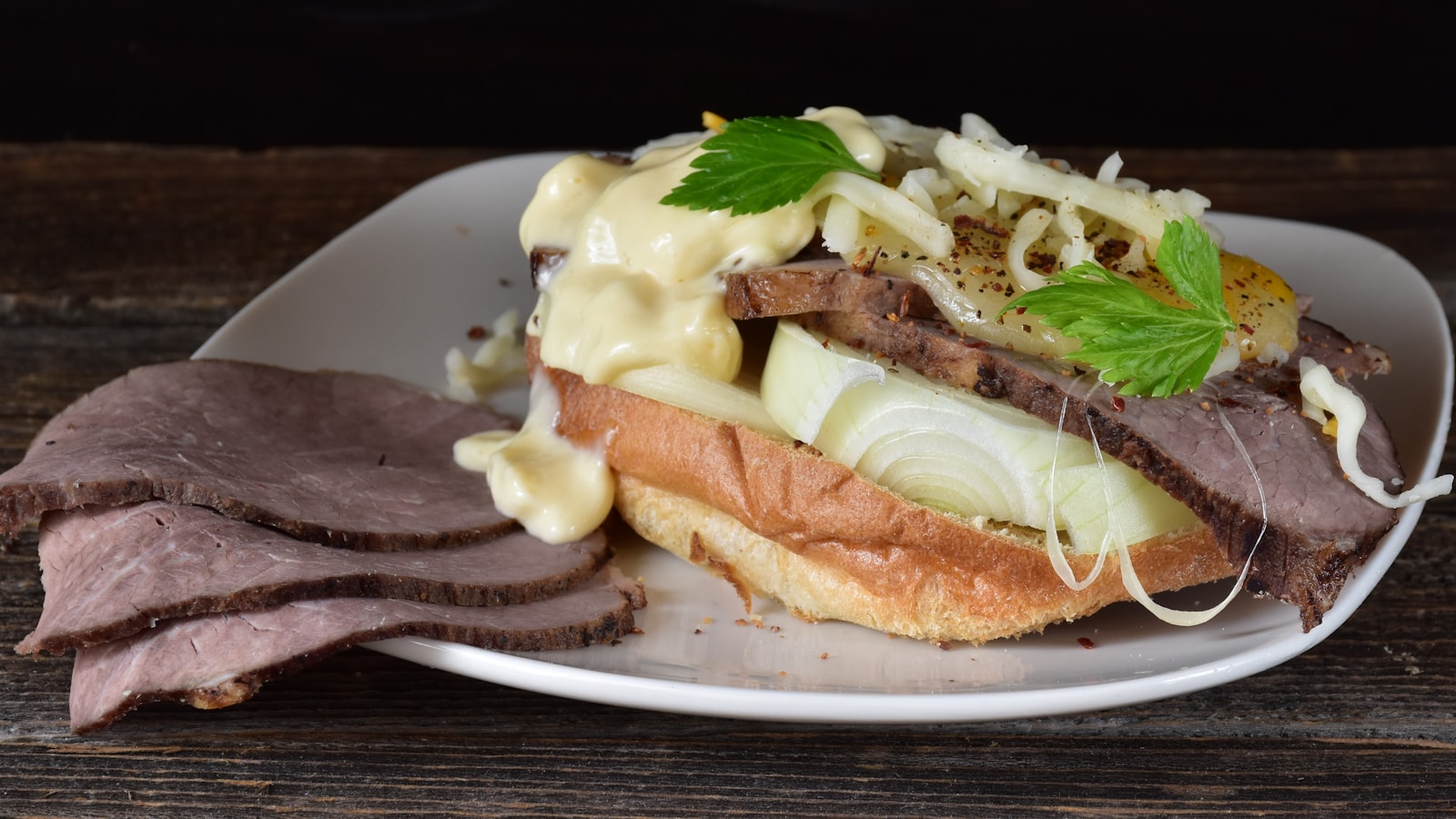
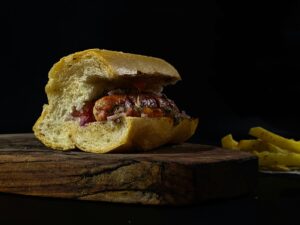
A French dip is thin-sliced roast beef in a long roll, served with a cup of au jus — the juices from roasting the beef — to dip each bite in. Ours is on an Amoroso roll with provolone, in a 7-inch and a 12-inch, and it does not come dressed.
A French dip is a hot roast beef sandwich served with a cup of the meat juices to dip it in. The beef is sliced thin and piled into a long roll, and the cup on the side is au jus — literally “with juice”, meaning the drippings from roasting the beef. You dip as you go, and the roll does the rest.
It is one of the few sandwiches where the instructions are part of the dish. Order one without knowing that and you end up with a cup of gravy you are not sure what to do with.
What is actually in one
Three things, and only three things matter:
- Thin-sliced roast beef, warm
- A long roll firm enough to survive being dipped
- A cup of au jus — the roasting juices, not a sauce or a gravy
Ours is on the po’boy menu, in a 7-inch and a 12-inch. It is built on an Amoroso roll with provolone, and it comes with the au jus on the side. Deliberately, it does not come dressed — no lettuce, tomato, mayo or pickles, which is what every other po’boy on that menu gets by default.
That is not an oversight. Cold salad and mayonnaise do not survive being dipped in hot beef juice, and dressing a French dip turns it into a wet mess within about three bites.
Where the name comes from
Not France. The French dip is a Los Angeles invention from the early twentieth century, and two downtown restaurants have claimed to have invented it for the better part of a century. Britannica’s entry on the sandwich sets out the standard version: sliced roast beef on French bread, eaten au jus, with the juice usually served on the side.
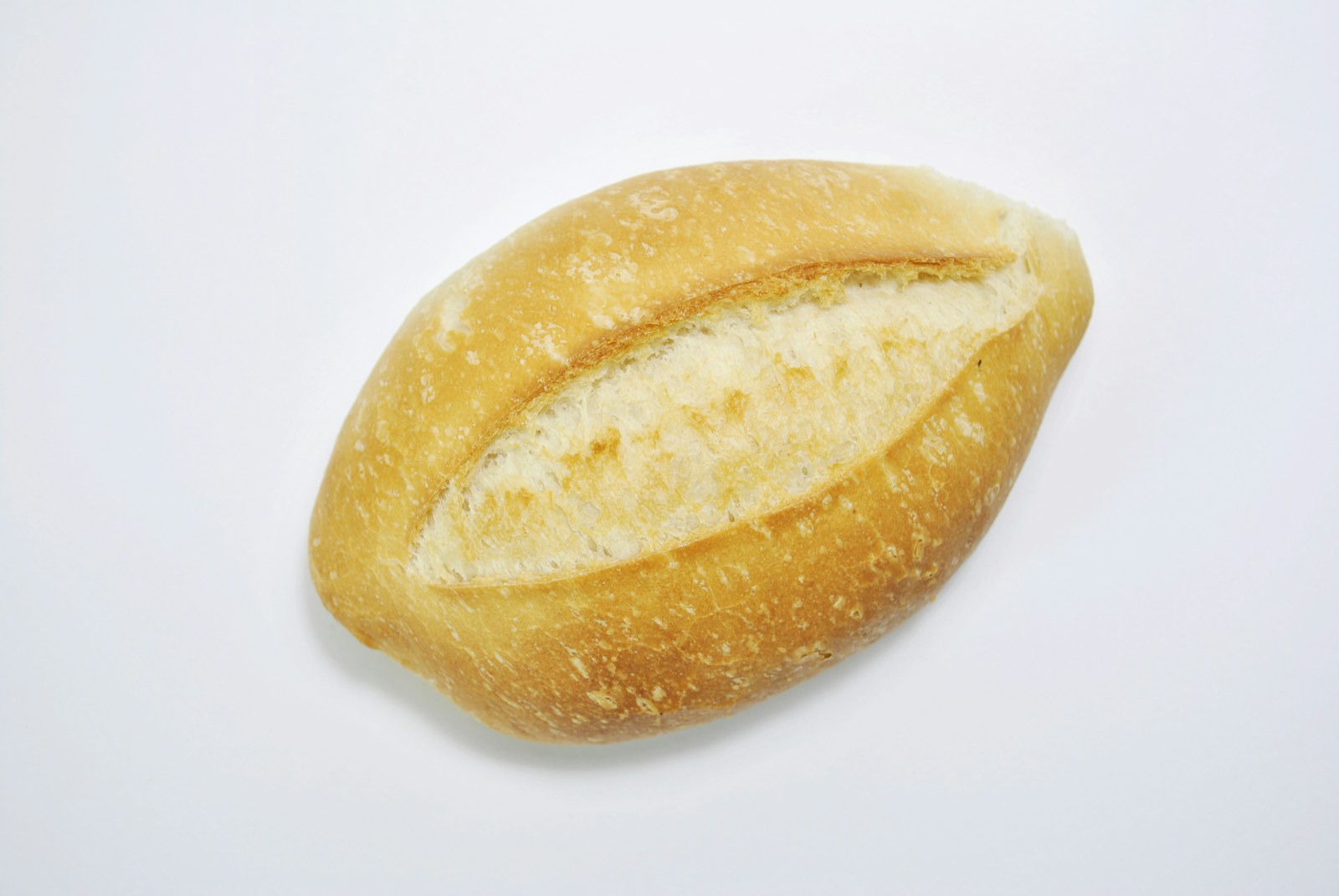
The “French” in the name almost certainly refers to the bread rather than the country. Which is a small irony, because ours is built on a Philadelphia roll instead — the same Amoroso roll our cheesesteaks use, chosen for the same reason. It holds up when it gets wet.
How to eat one without ruining it
The whole thing turns on how long the bread is in the cup. Dip too briefly and you have a dry sandwich with a cup of soup. Dip too long and the roll gives up entirely and you are eating with a fork.
- Dip the corner, not the whole end — about a second, no more
- Dip each bite as you take it, rather than soaking the sandwich in advance
- Hold it over the cup, not over your lap
- Eat it in, if you can — this is the worst sandwich on the menu to take home
Ordering a French dip to go? Ask for the au jus in a separate lidded cup and keep it upright. It is the one order where the container matters as much as the food, and a cup that tips in the bag ruins the roll before you get to it.
French dip, cheesesteak or po’boy?
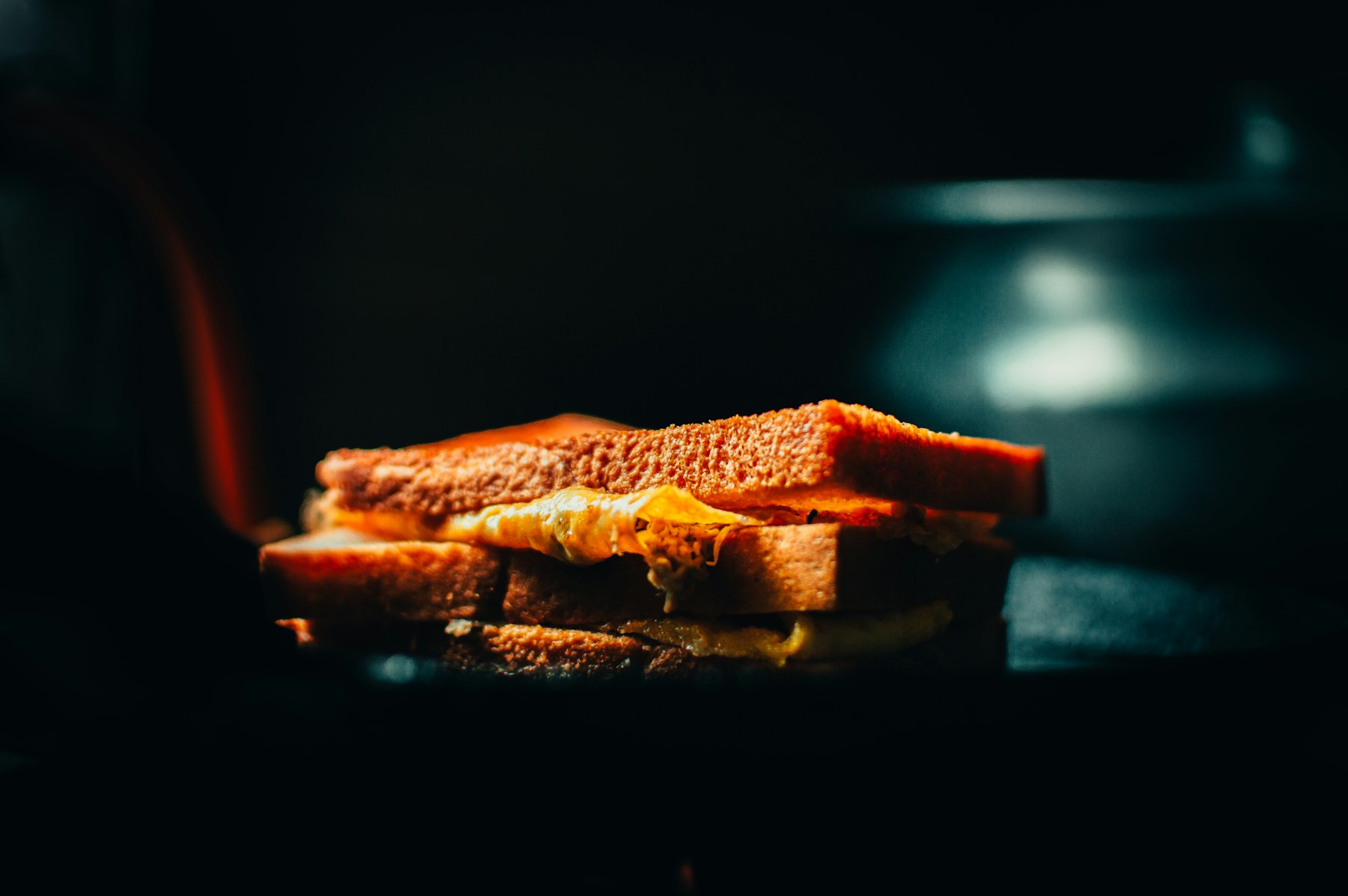
All three are hot fillings in a long roll, and on our menu all three exist a few lines apart. What separates them:
| French dip | Cheesesteak | Po’boy | |
|---|---|---|---|
| Meat | Sliced roast beef | Sliced ribeye, chopped on the griddle | Varies — shrimp, fish, chicken, ham |
| Served | With a cup of au jus | With melted cheese | Dressed, unless you say otherwise |
| Bread | Amoroso roll | Amoroso roll | French bread |
| Eaten | Dipped, bite by bite | Straight | Straight |
| Travels well? | Poorly | Reasonably | Well |
If you like the idea of a French dip but not the dipping, a cheesesteak is the closer relative than it looks — same roll, same thin-sliced beef, with melted cheese doing the job the jus does. Our cheesesteak explainer covers that side, and the po’boy guide covers the other eight sandwiches on the same menu.
The 7-inch or the 12-inch?
Both sizes are on the menu, and the answer here is different from the rest of the po’boy list. A 12-inch French dip is harder to eat than a 12-inch anything else, because the further you get from the cup, the more you have to lift and tilt the sandwich to reach it.
Practical guidance:
- Eating in, on your own — the 7-inch, and take your time with it
- Genuinely hungry — the 12-inch, but ask for it cut in half
- Sharing — the 12-inch cut, with the jus split between two cups
- At lunchtime on a weekday — the 7-inch is on the lunch menu as L3, with a side and a drink
The cut-in-half request is the one worth making. Two shorter halves are far easier to dip than one long sandwich, and it costs nothing to ask.
What to order with it
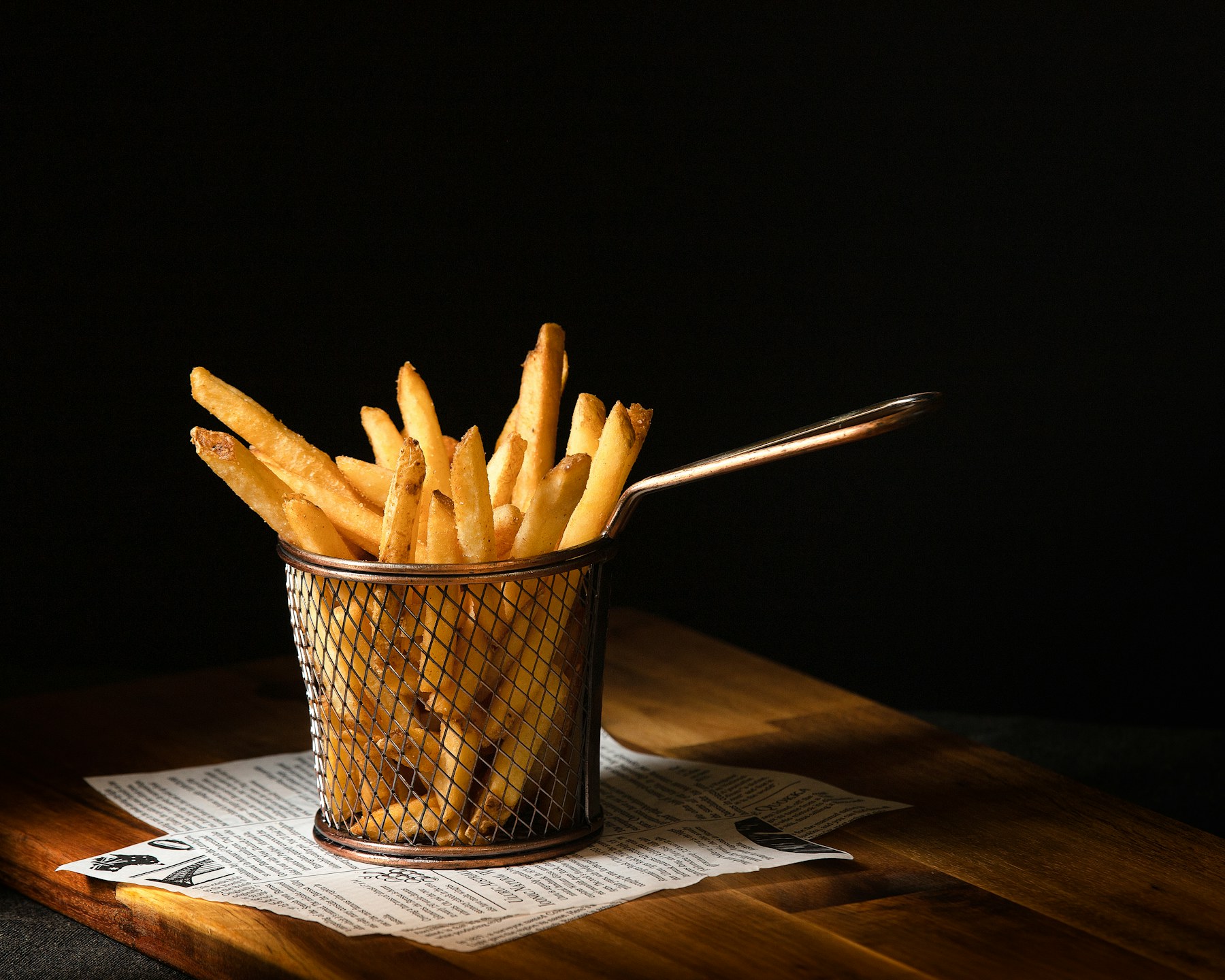
Fries, and not much else. A French dip already occupies both hands and gives you something to dip in, so a side that needs its own sauce is competing for attention. Onion rings work if you want the crunch.
What to avoid is anything wet. A second dipping sauce on the table is the fastest way to end up dipping the wrong thing in the wrong cup, which is funnier to describe than it is to eat. If you want a sauce cup with your fries, put it on the far side of the plate from the jus.
The short version
Roast beef, a sturdy roll, and a cup of the roasting juices on the side. Dip each bite rather than the whole sandwich, order it undressed — which is how ours comes anyway — and eat it in rather than taking it home. It is on the po’boy menu in both sizes, and on the lunch menu as a 7-inch.
Nine po’boys, including the French Dip
7-inch and 12-inch, dressed as standard — except the one that is not.

Frequently asked questions
What is a French dip sandwich?
Thin-sliced roast beef in a long roll, served with a cup of au jus — the juices from roasting the beef — to dip it in as you eat.
What does au jus mean?
French for “with juice”. It refers to the drippings left from roasting the meat, usually served in a cup on the side.
Does a French dip come with cheese?
Ours comes with provolone. Cheese is not universal on a French dip, but a melting cheese suits it better than a cold one.
Why does it not come dressed?
Lettuce, tomato and mayonnaise do not survive dipping. Every other po’boy on our menu comes dressed; the French dip deliberately does not.
Is a French dip actually French?
No. It is a Los Angeles sandwich from the early twentieth century. The “French” almost certainly refers to the bread.
More From the Kitchen