CHEESESTEAKS • 5 min read
Why Food Dries Out
Thin slicing, batter, buttermilk, marbled beef and a pot of boiling water are five answers to one problem.
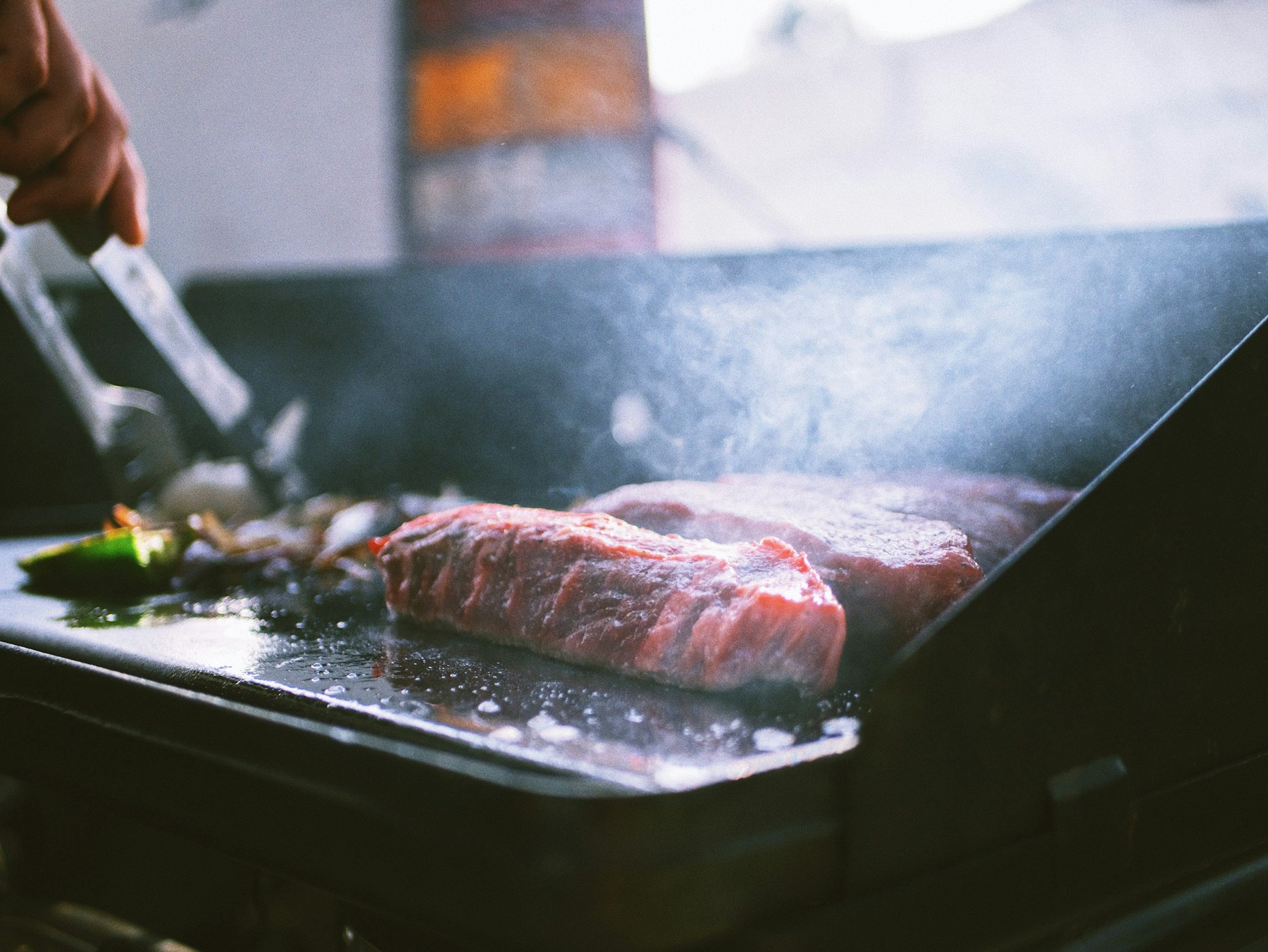
Heat makes proteins contract and squeeze water out. Every cooking method here works around that — fat that melts in as water leaves, speed that beats the clock, batter that seals, buttermilk that conditions beforehand, or water that removes the problem entirely.
Every cooking decision in this kitchen is a version of the same problem: how to get heat into something without drying it out. Thin slicing, batter, buttermilk soaks, marbled beef, skin on a wing — those are five different answers to one question.
Once you see it, most of what is on this menu explains itself.
Why heat dries food out
Meat is largely water held inside protein structures. Heat makes those structures contract, and as they tighten they squeeze water out — the process by which proteins unfold and reorganise under heat is the same one that firms a steak and the same one that ruins it if it goes too far.
So there is a window. Too little heat and nothing browns or cooks; too much and the structure wrings itself dry. Everything below is a way of widening that window or getting through it faster.
Answer one: fat
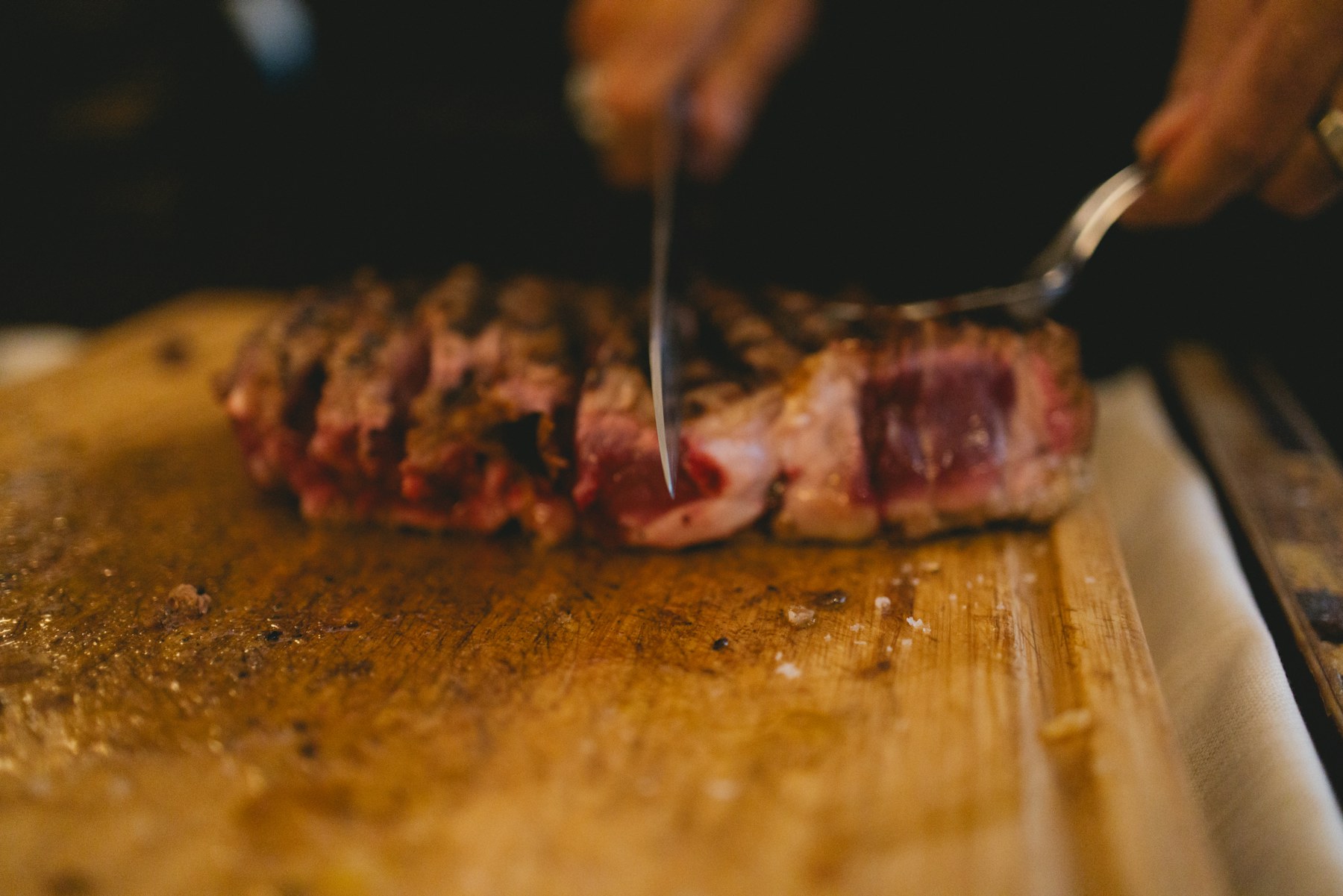
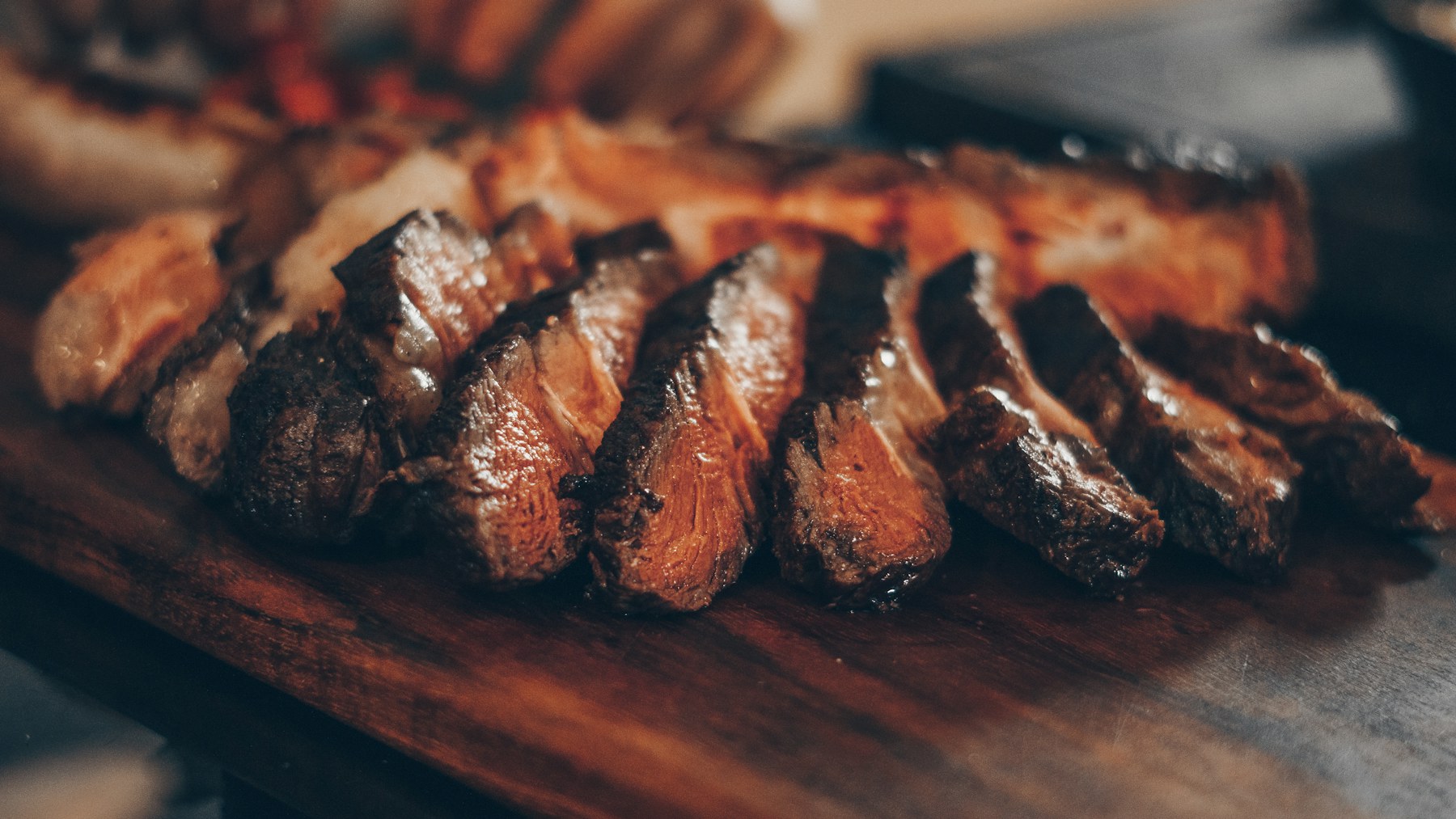
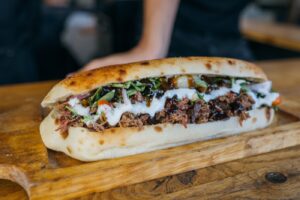
The most direct solution. Ribeye is heavily marbled, and that intramuscular fat melts on the griddle rather than being squeezed out — so as the protein tightens, fat is filling the space water is leaving.
It is why a marbled cut forgives a few seconds too long on the heat and a lean one does not, and why ribeye is the cut a cheesesteak is built on. Bone-in wings do the same thing from the outside: skin renders and bastes the meat as it fries.
Answer two: speed
If you cannot widen the window, get through it faster. Slicing meat thin means it cooks in seconds rather than minutes, so there is simply not enough time for much water to be driven off.
That is the whole logic of philly-style slicing, and it is why it turns up on chicken breast — the leanest cut on the menu and the one with the narrowest window of all.
- Thin slices cook through before they dry out
- Chopping keeps the pieces small and the cooking fast
- A whole chicken breast has to be cooked through, which takes long enough to cost it moisture
- A 12-inch sandwich is not cooked longer — only the filling quantity changes
Answer three: a barrier
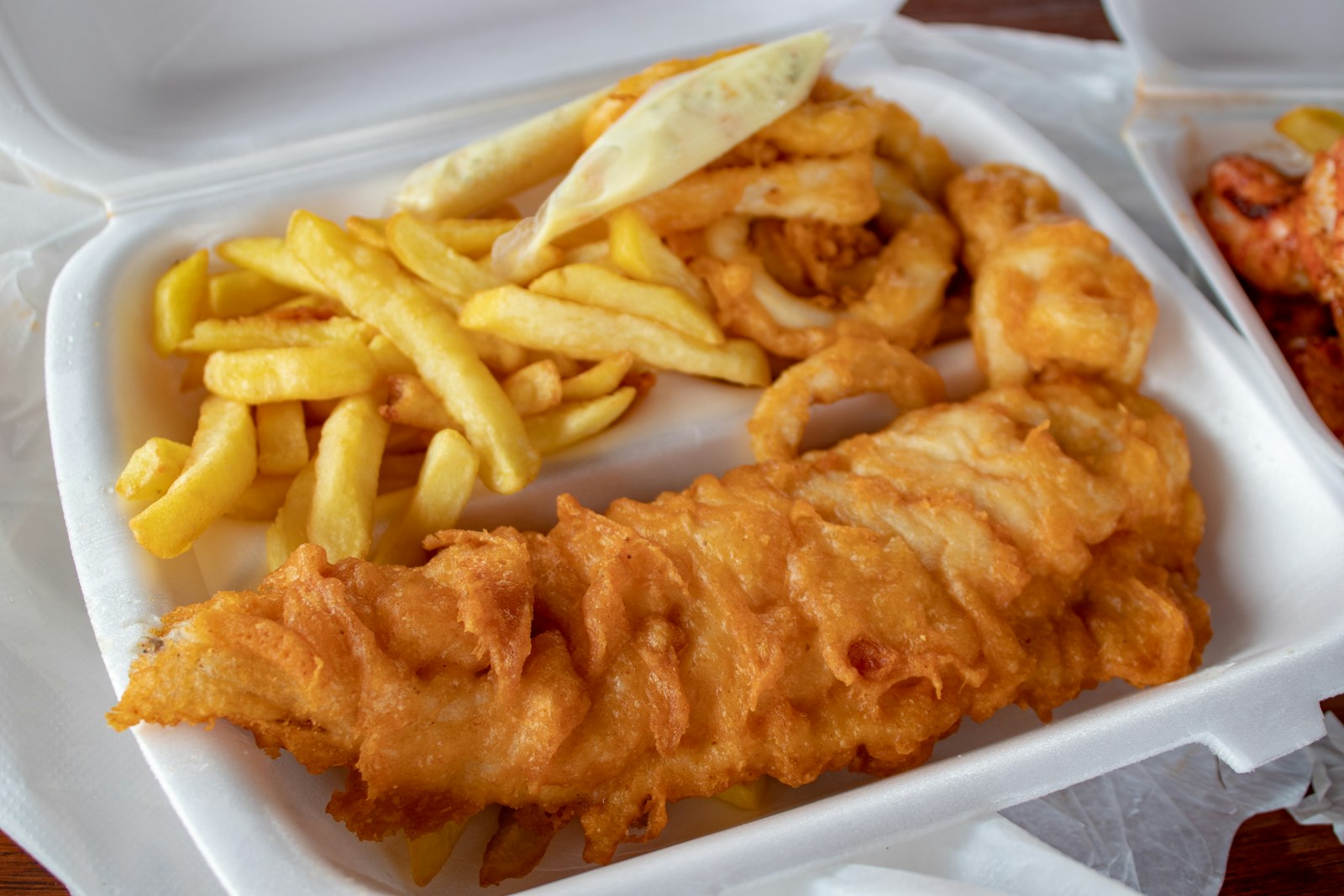
Batter seals. It forms a continuous shell that sets almost immediately in hot oil, and the food inside then steams in its own moisture rather than meeting the heat directly.
That is why battered fish stays flaky and soft where a bare fillet at the same temperature would tighten and dry. Breading is more porous and seals less completely, which is one of the real differences between the two — covered in breading or batter.
Answer four: change the meat before it cooks
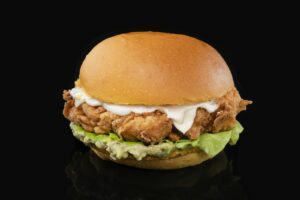
Buttermilk. A thick, mildly acidic soak loosens the protein structure at the surface so it holds water better under heat, and it conditions lean chicken breast specifically — the cut that needs it most.
It is a slow answer rather than a fast one: hours before cooking, not seconds during. Our piece on what buttermilk chicken is covers what the soak does and why the coating grips afterwards.
Answer five: cook it in water
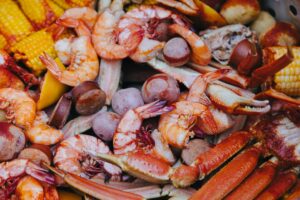
The seafood boil sidesteps the problem entirely. Nothing is browned, nothing is coated, and the cooking medium is water — so there is no drying mechanism at all, only the risk of overcooking the texture.
That is why a boil is the most forgiving thing on the menu and the most travel-friendly. It cannot dry out in a bag because it was never dry. More in the guide to how the boil works.
| Method | Where | How it works |
|---|---|---|
| Fat | Ribeye, wing skin, bacon | Melts in as water leaves |
| Speed | Thin-sliced Philly filling, philly-style chicken | Through the window before it closes |
| A barrier | All battered items | Seals; the food steams inside |
| Pre-treatment | Buttermilk chicken | Changes the protein before heat reaches it |
| Water | The seafood boil | No drying mechanism at all |
Reheating anything at home? Dry heat crisps the outside but keeps driving water out of the inside, so short and hot beats long and moderate every time. Five minutes too many in an oven does more damage than the temperature does.
Why cheese is part of the answer too
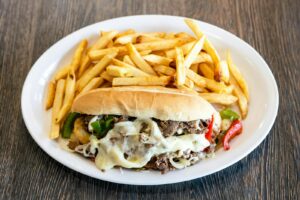
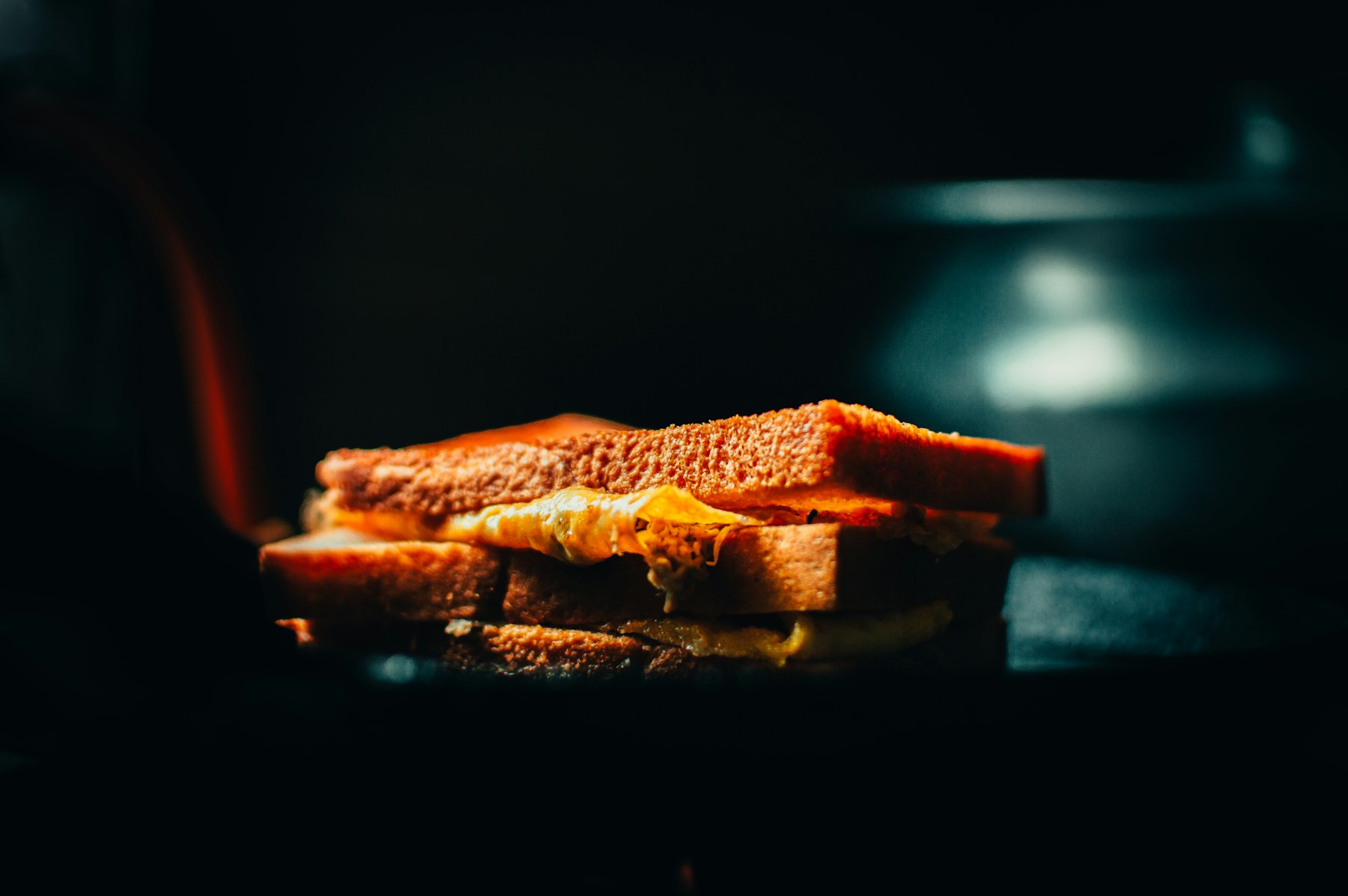
Easy to miss, but melted cheese in a cheesesteak is doing a moisture job as well as a flavour one. It coats the chopped filling and slows evaporation from it, which is part of why a cheesesteak stays succulent in a way plain griddled beef in a roll would not.
It also explains why the cheese goes on while the meat is still on the flat top rather than after. Applied hot it melts through and coats; applied to meat already resting in a roll it sits on top and does none of that. More in what American cheese actually is.
What this means for how soon you eat
Moisture keeps moving after the food leaves the kitchen. In a wrapped sandwich it moves out of the filling and into the bread; in a bag of fried food it turns to steam and softens the coating.
Which is the same practical conclusion the rest of this site keeps reaching by other routes: eat it soon, ask for sauce on the side, and take it out of the bag the moment you are home. There is a full ranking in what travels best.
The short version
Heat drives water out of protein, and every cooking method here is a way around that: fat that melts in, speed that beats the clock, batter that seals, buttermilk that conditions, or water that removes the problem. Understanding which one an item uses tells you how forgiving it will be.
Five methods, one problem
Griddled, fried, soaked or boiled — all of it is about keeping the inside right.
Frequently asked questions
Why does chicken breast dry out so easily?
It has almost no fat to replace the water that heat drives out, and a narrow window between cooked and overcooked.
Why is cheesesteak meat sliced thin?
So it cooks in seconds. There is not enough time for much water to be driven off before it is done.
Does batter keep food moist?
Yes. It seals the surface, so the food inside steams in its own moisture rather than meeting the oil directly.
Why is a seafood boil so forgiving?
It is cooked in water and never dried, so there is no drying mechanism to go wrong — only the texture to overcook.
What is the best way to reheat without drying?
Short and hot rather than long and moderate. Extra time in an oven does more damage than extra temperature.
More From the Kitchen