CHEESESTEAKS • 5 min read
What Is American Cheese?
The most-used cheese on this menu, and the one people apologise for liking — with a technical reason behind both.
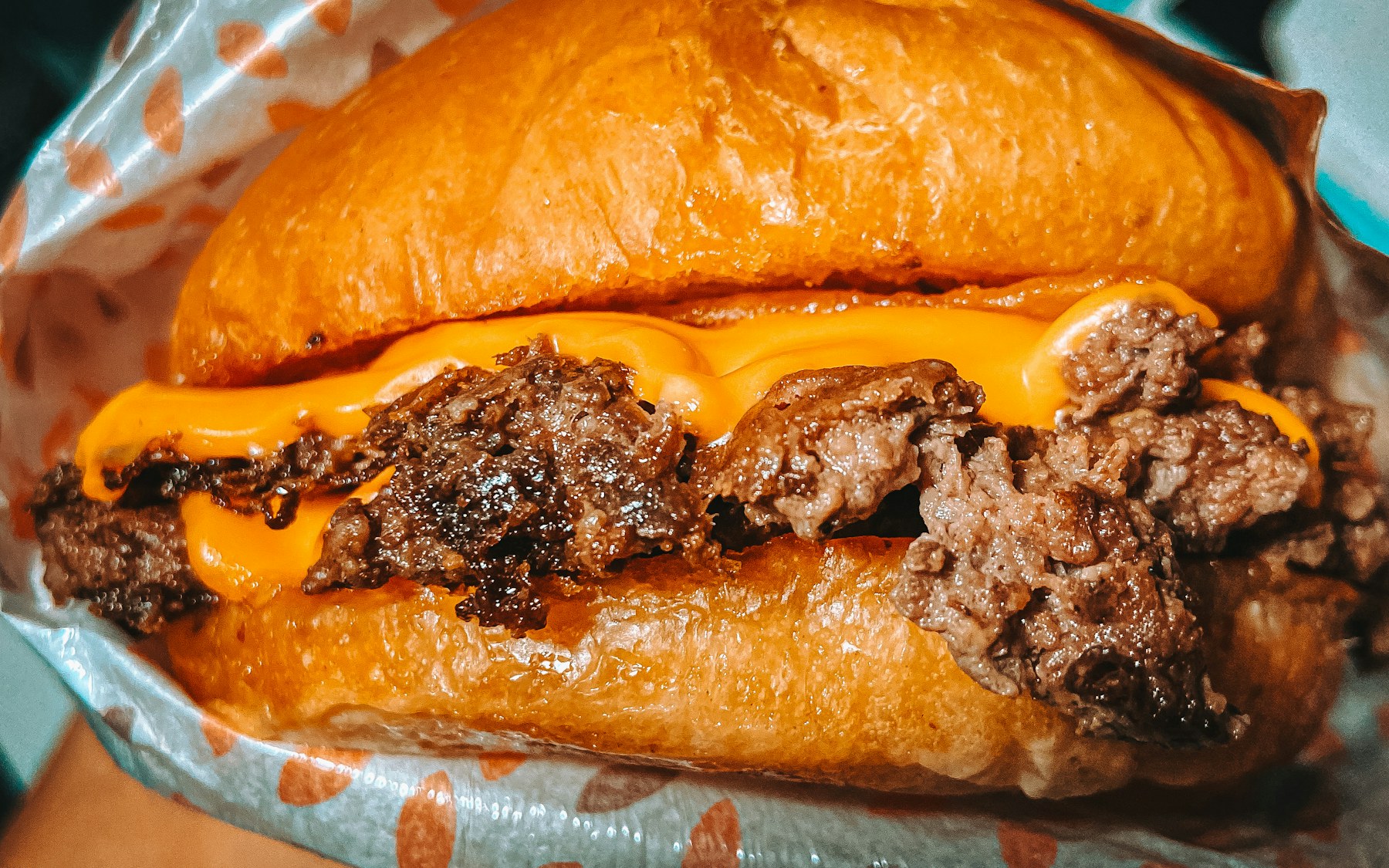
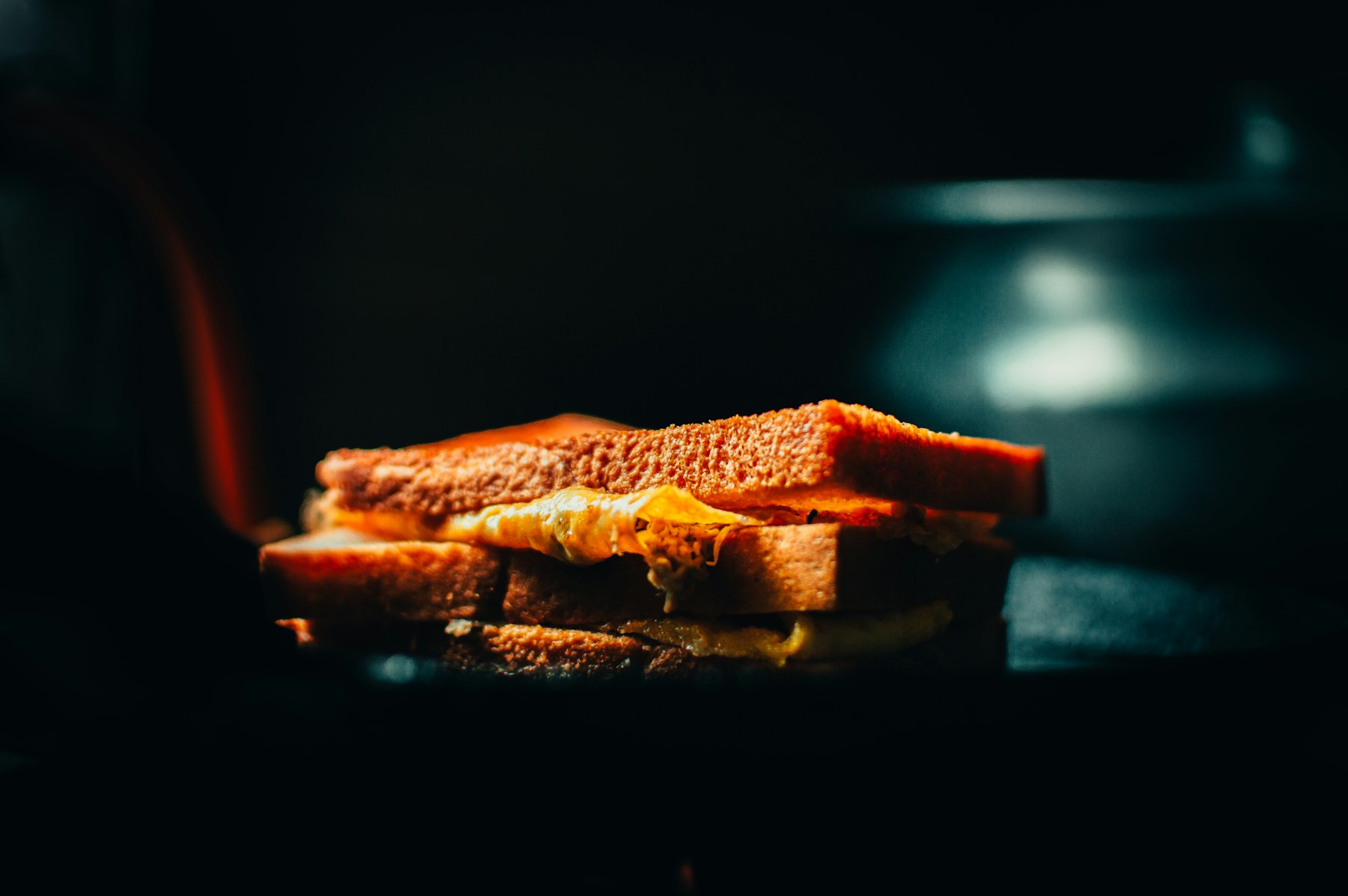
American cheese is real cheese reprocessed with emulsifying salts so the fat and protein do not separate under heat. It melts into a smooth even sauce instead of going stringy then greasy, which is why it suits a cheesesteak griddle and five loaded sandwiches.
American cheese turns up in more places on this menu than any other single cheese — two of the seven Philly options, and built into five sandwiches across two other menus. It is also the one people apologise for liking.
There is a reason it is used where it is used, and it is a technical reason rather than a matter of taste.
What it actually is
A processed cheese: real cheese — usually cheddar or colby, or a blend — melted down with emulsifying salts and reformed. That process is the whole point, and it is what separates it from the aged cheeses it is made from.
The emulsifying salts stop the fat and the protein from separating when the cheese is heated. In an aged cheese those two things break apart under heat — which is why melted cheddar goes stringy and then greasy, with oil pooling on the surface. American cheese does not do that. It melts into a smooth, even sauce and stays there.
Why that matters on a griddle
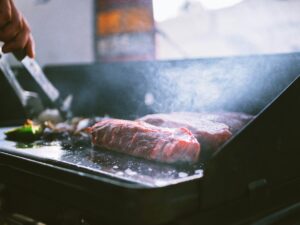
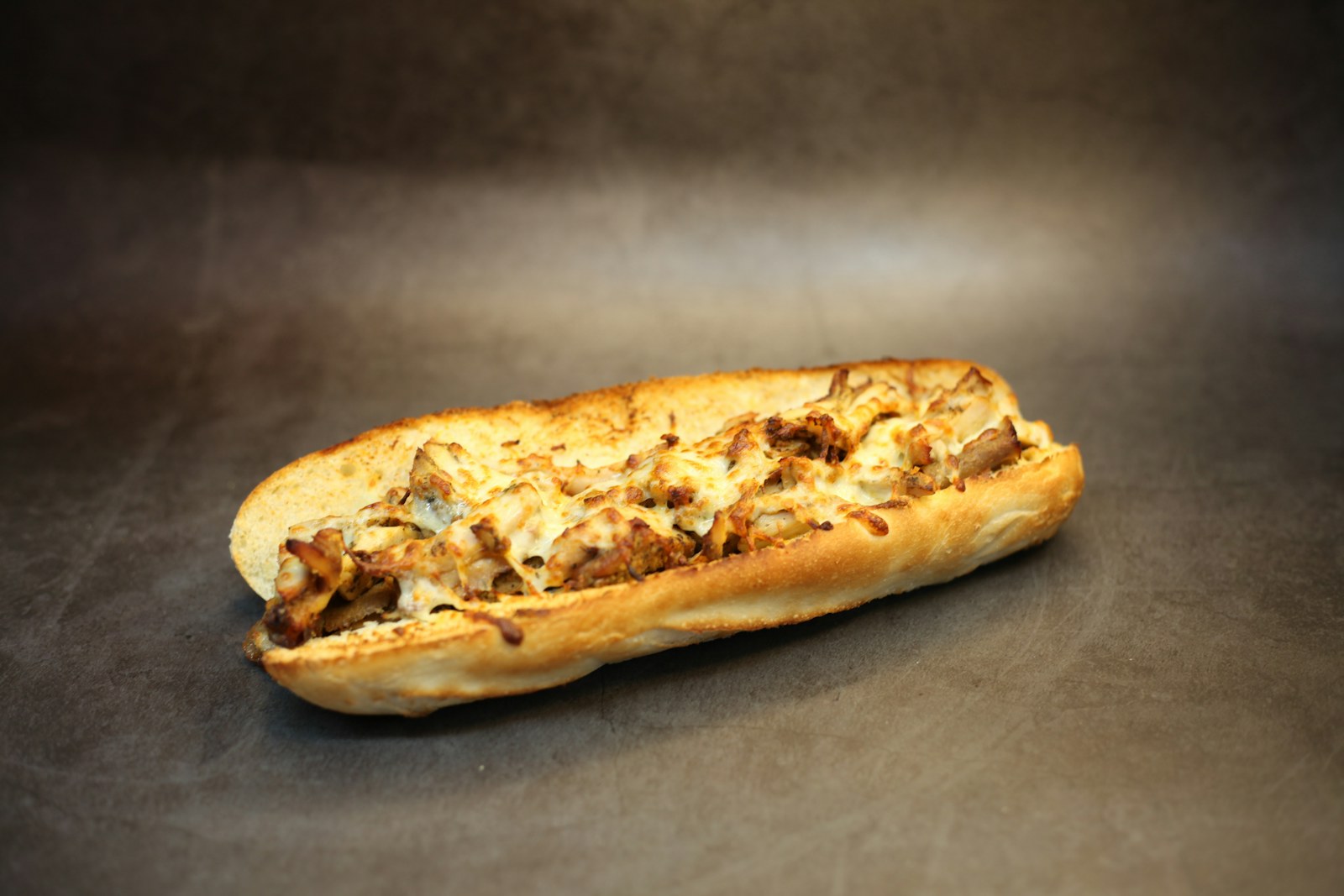
A cheesesteak is the hardest melting job on this menu. The cheese goes onto chopped meat that is still on the flat top, gets folded through it, and has seconds rather than minutes to become part of the filling.
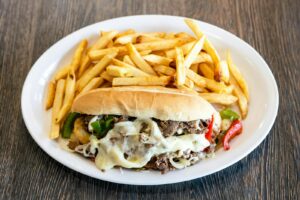
An aged cheese in that situation splits. American cheese coats every piece of meat evenly and holds together, which is why it is the default in so many cheesesteak kitchens and why both white and yellow versions are on our list.
- It melts at a lower temperature than aged cheese does
- It does not separate into oil and solids under heat
- It coats rather than clumps, so it distributes through chopped filling
- It stays smooth as it cools, rather than setting hard
White or yellow?
The honest answer is that the difference is smaller than people expect. Yellow American is coloured, traditionally with annatto, and often tastes very slightly sweeter and milder. White is uncoloured. Both behave identically on a griddle.
Choose on appearance and habit rather than expecting a flavour revelation. Where it genuinely matters is contrast: on a Pizza Steak or anything with tomato in it, white disappears visually where yellow does not. Our guide to the nine builds goes through which cheese suits which.
Where it is built in
Five sandwiches use American cheese as part of their standard build rather than as a choice:
| Item | Menu | Alongside |
|---|---|---|
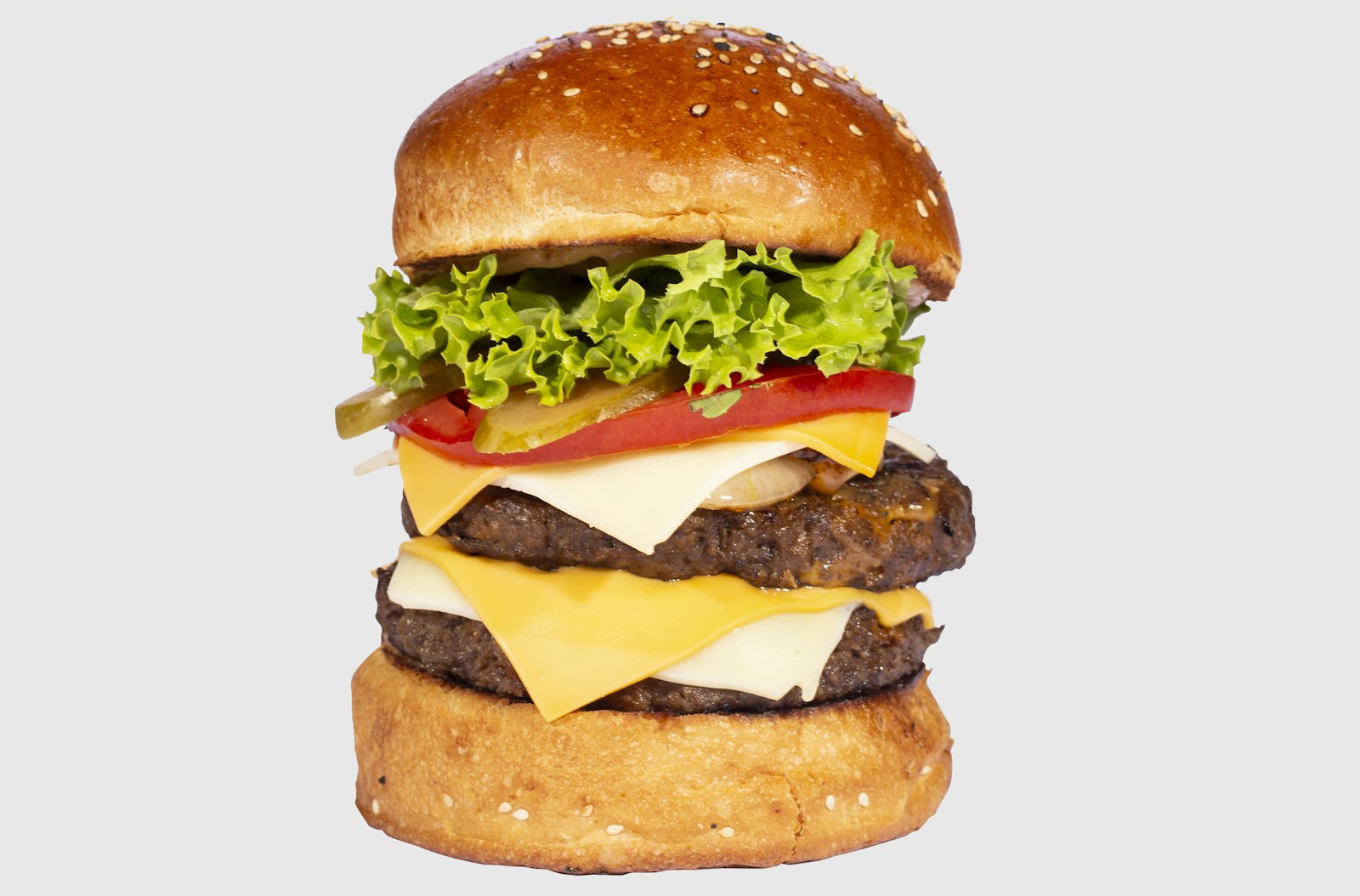
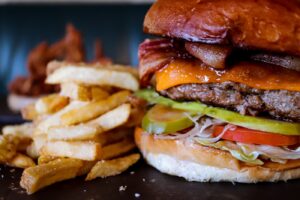
| Double Cheeseburger | Burgers | Lettuce, tomato, mayo, pickles, ketchup |
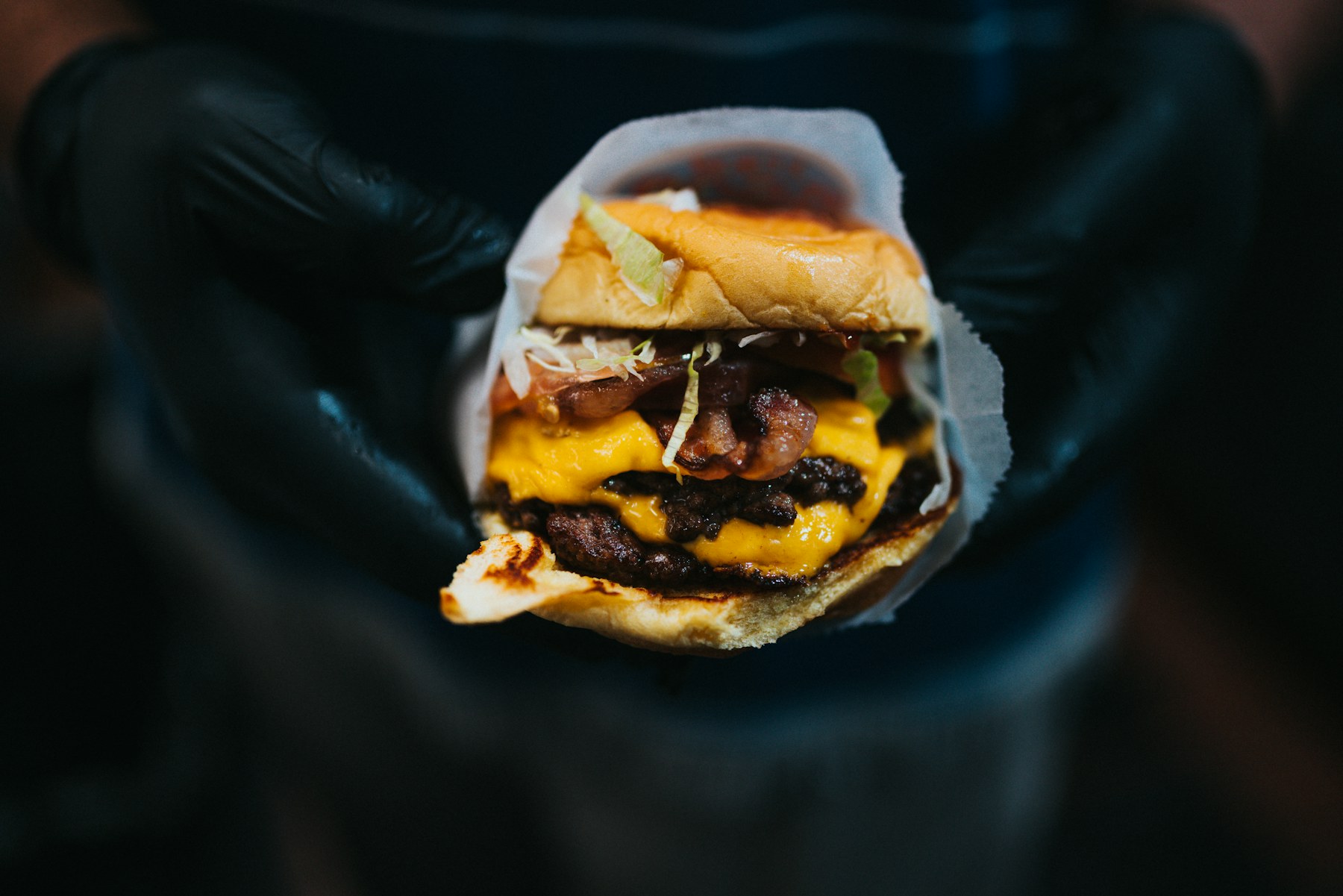
| Smokehouse Burger | Burgers | Bacon, BBQ, honey mustard, rings |
| Hot Ham-N-Cheese | Po’boys | The standard dressing |
| Chicken Bacon Club | Po’boys | Bacon and ranch |
| Hamburger Po’boy | Po’boys | The standard dressing |
A pattern is visible in that table. American cheese is used wherever there is a lot else going on — bacon, sauces, dressing — because it melts cleanly and does not compete. A strongly flavoured cheese in any of those five would be one more thing arguing.
When to pick something else
When the cheese is meant to be noticed. On a plain Cheese Steak with nothing else in it, provolone gives you something to taste; American gives you texture and richness but little character of its own.
- Plain Cheese Steak — provolone, if you want to taste the cheese
- A loaded build — American, so it binds rather than competes
- Anything with tomato — mozzarella, which is what the Pizza Steak uses
- You want an edge — pepper jack
- The Philadelphia answer — Cheese Whiz, once, deliberately
Ordering a cheesesteak to take home? American cheese is the better choice for the journey. It stays smooth as it cools where an aged cheese sets firm, so a reheated sandwich is closer to how it started.
Why it is sliced rather than grated
Small thing, real reason. Because American cheese is reformed rather than pressed from curd, it can be made in uniform sheets — and a sheet is the right format for the job it does.
On a burger, one slice covers the patty exactly and melts down over the edges. On a cheesesteak, slices laid across chopped meat melt through it evenly as it is folded. Grated cheese would clump in both cases before it melted, leaving some bites cheesy and others not.
That uniformity is the whole argument for the product. It is not trying to be a better cheese than cheddar; it is trying to be a more predictable one, and predictability is what a fast griddle needs.
Does it keep?
Better than most cheeses, which is another consequence of the processing. It does not dry out or crack the way an aged cheese does, and it does not need wrapping with the same care. On a sandwich that is sitting in a bag for twenty minutes, that is one less thing degrading.
The snobbery question
Worth addressing since it comes up. American cheese is often dismissed as not real cheese, which is not quite right: it is made from real cheese, and the processing is a technique rather than a substitution.
What is fair to say is that it is engineered for a job. It is not trying to be interesting on a cheeseboard; it is trying to melt evenly into hot food and stay there. Judged on that, it does something no aged cheese can, and the fact that Philadelphia has spent decades arguing about Whiz versus provolone rather than dismissing processed cheese outright tells you the argument was settled a long time ago.
The short version
American cheese is real cheese reprocessed with emulsifying salts so it melts smooth instead of splitting. That makes it the right answer wherever a lot else is happening and the cheese needs to bind rather than lead. White and yellow behave identically. Both are on the Philly cheese list.
Seven cheeses, two of them American
White American and yellow American, on any of the nine builds.
Frequently asked questions
What is American cheese?
Real cheese — usually cheddar or colby — melted down with emulsifying salts and reformed, so it melts smoothly instead of separating.
Why does it melt so well?
The emulsifying salts stop the fat and protein separating under heat. Aged cheeses split into stringy solids and oil; this does not.
Is white or yellow better?
They behave identically. Yellow is coloured and often very slightly sweeter; the difference is smaller than people expect.
Which sandwiches come with it as standard?
The Double Cheeseburger, Smokehouse Burger, Hot Ham-N-Cheese, Chicken Bacon Club and Hamburger po’boy.
When should I pick a different cheese?
When you want to taste the cheese. On a plain Cheese Steak, provolone gives you more character.
More From the Kitchen