CHEESESTEAKS • 5 min read
What Is Ribeye?
Every Philly starts with the same two words. Here is what that cut is, and why the sandwich does not work without it.
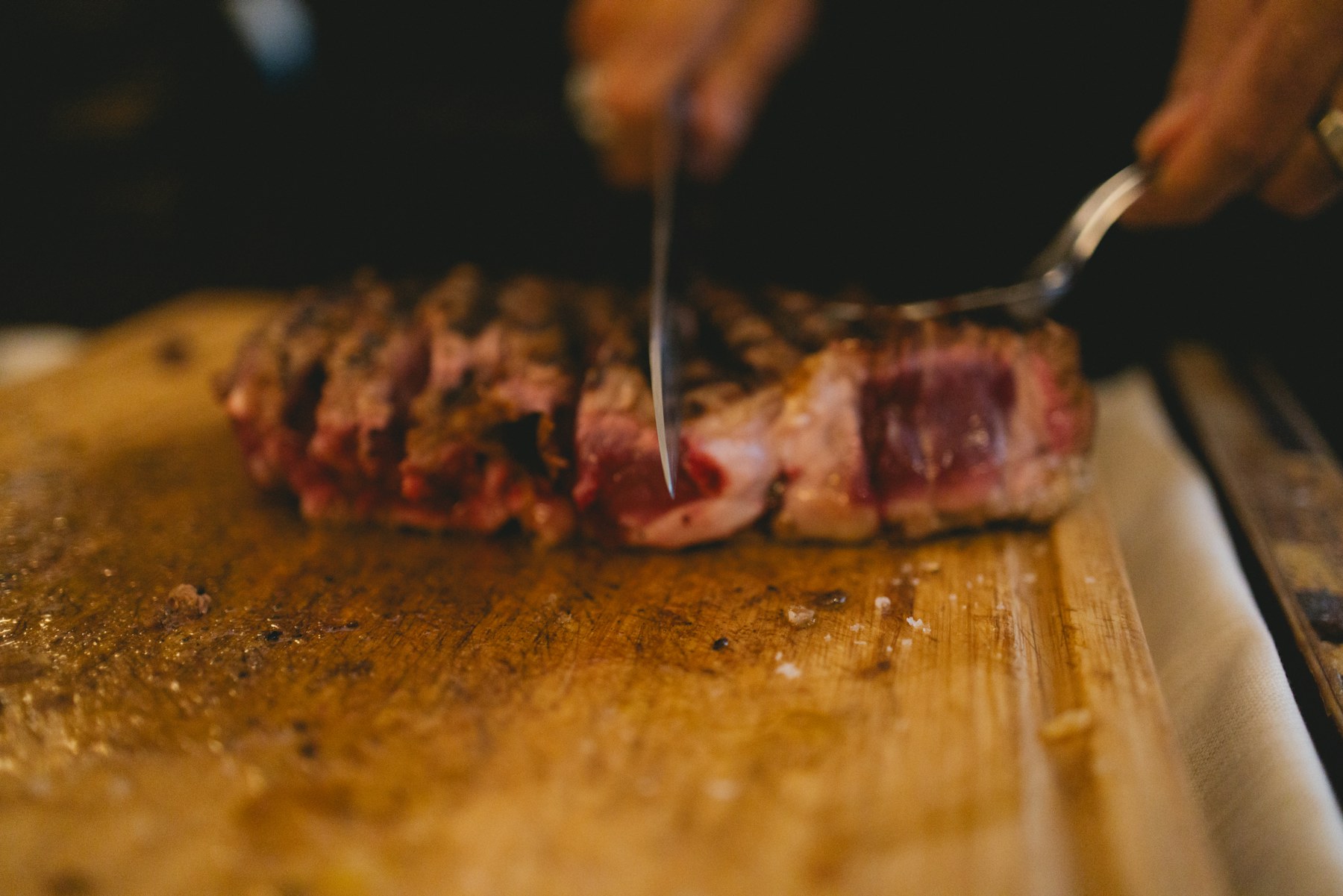
Ribeye comes from the rib section, which does little work, so it is tender — and it is heavily marbled, meaning fat runs through the muscle. On a griddle that fat renders into the onions, cheese and roll, which is why a cheesesteak tastes richer than the sum of its parts.
Every Philly on this menu starts with the same two words: freshly sliced ribeye. It is the single most consequential decision in the sandwich, and it is made before anything reaches the griddle.
Here is what ribeye actually is, and why cheesesteaks are built on it rather than on something cheaper.
What the cut is
Ribeye comes from the rib section, along the upper back of the animal — a part that does relatively little work. Muscles that work hard develop tough connective tissue; muscles that do not stay tender. That is most of the story of why some cuts of beef cost what they do.
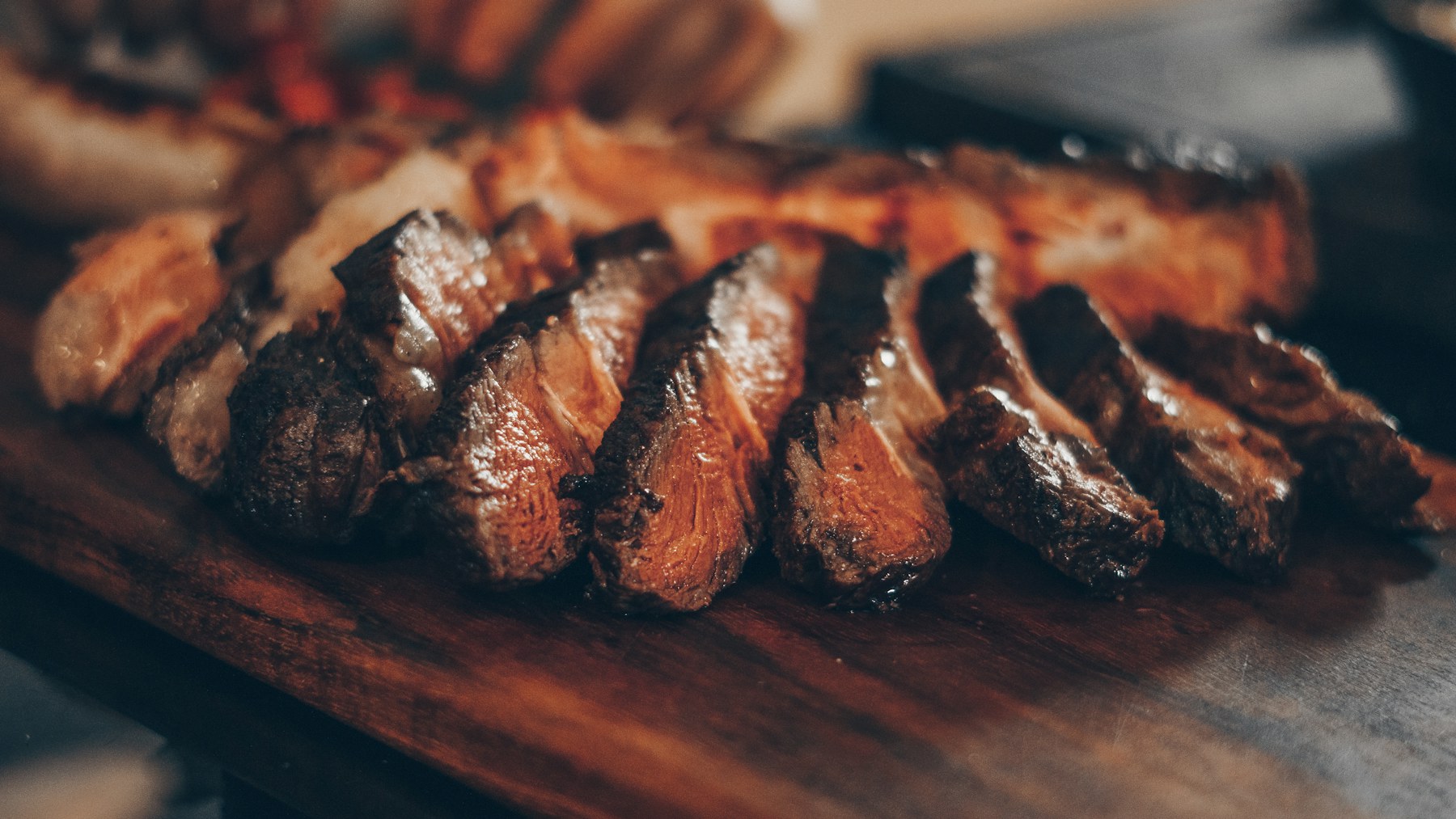
The rest of the story is fat. Ribeye is heavily marbled — fat runs through the muscle in fine threads rather than sitting around the edge. That marbling is what separates it from a lean cut, and it is the whole reason it suits this sandwich.
Why marbling matters on a griddle
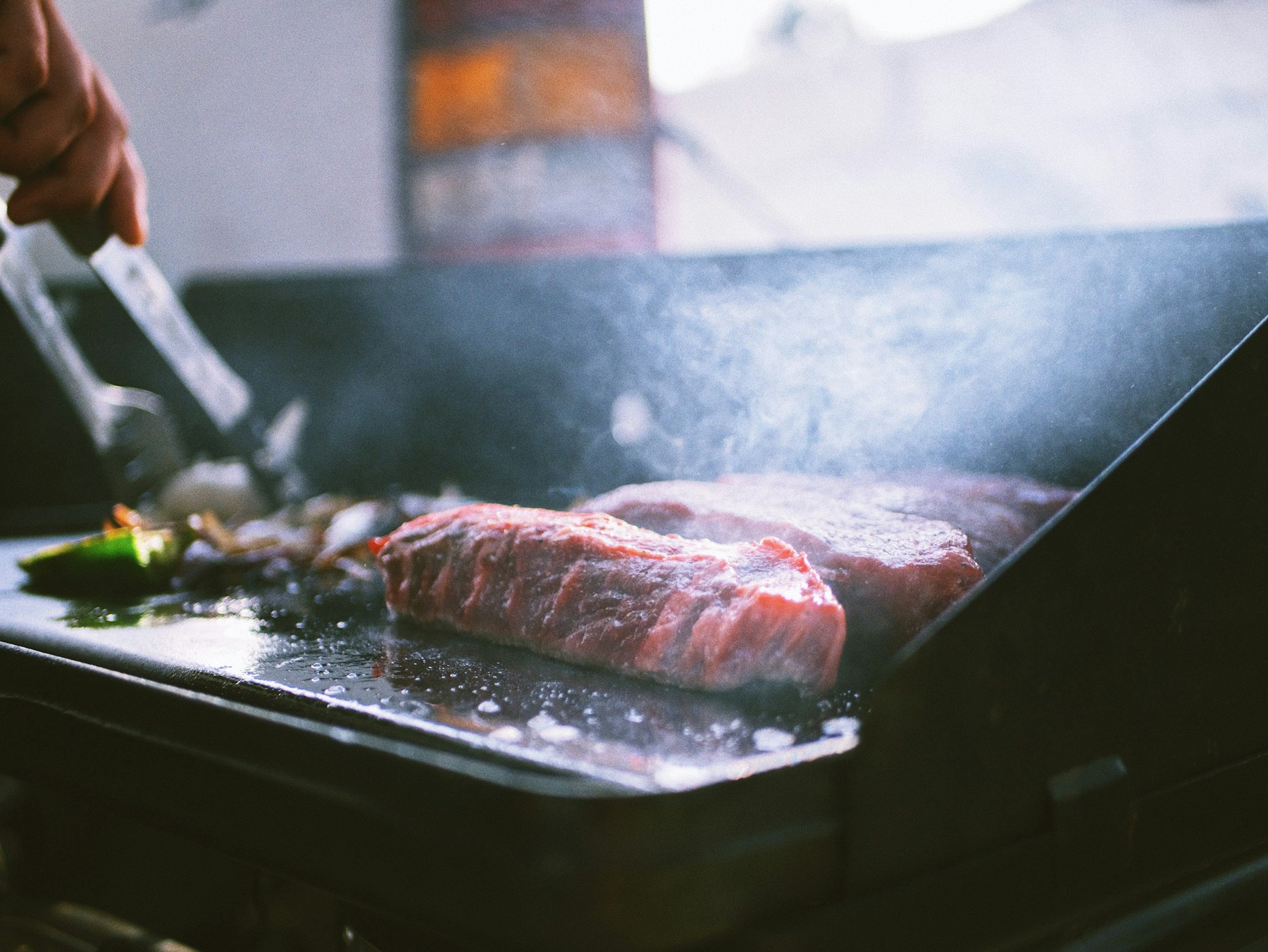
When ribeye hits a hot flat top, the marbling renders — the fat melts out of the muscle and into everything around it. In a cheesesteak, “everything around it” means the onions, the cheese and the inside face of the roll.
That is why a cheesesteak tastes richer than the sum of its parts, and why a lean cut makes a noticeably drier sandwich even when it is cooked identically. The fat is not an accident of the cut; it is the cooking medium.
- Marbling melts into the filling rather than needing to be trimmed off
- It keeps thin-sliced meat moist through very fast cooking
- It carries flavour to the onions, cheese and roll
- It is why a cheesesteak needs no added oil on the griddle
Why it is sliced so thin
Two reasons, and they compound. Thin slices cook through in seconds, so the meat never sits on the heat long enough to toughen. And thin slices have far more surface area touching the griddle, which is where browning happens — more surface means more of the flavour that browning creates.
Chopping it as it cooks does the same thing again, exposing new surfaces. The technique is covered properly in our guide to what philly style means; the point here is that thin slicing and a marbled cut are a matched pair. Slice a lean cut that thin and it dries out; cook a marbled cut thick and you are eating a steak rather than a sandwich.
Ribeye against the alternatives
| Cut | Marbling | In a cheesesteak |
|---|---|---|
| Ribeye | High, fine and even | What the sandwich is built for |
| Sirloin | Moderate | Leaner and drier; workable, not the same |
| Round | Low | Tough at any thickness; a false economy |
| Chuck | High but coarse | Better slow-cooked than griddled |
| Chicken breast | Almost none | A different sandwich, and a good one — see below |
Chicken is the interesting row, because every Philly here comes with it as an option. It is not a lesser version, it is a lighter one: with almost no fat to render, the sandwich tastes cleaner and lets the peppers, sauce and cheese through instead. Our comparison of the two goes through it properly.
Where else it turns up
All nine Philly builds, since ribeye is the base of every one of them — from the plain Cheese Steak to the Surf and Turf with shrimp on top and the Tiger Steak with its blackened beer sauce. There is also a Philly Steak Roll on the appetizer menu, which is the same filling wrapped and fried, two to a portion.
Extra meat is a listed add-on, which is worth knowing if you want a 7-inch that eats like a bigger sandwich rather than moving up to the 12-inch. The full list of builds is in the nine Phillys compared.
Want to taste what the ribeye is actually doing? Order the plain Cheese Steak with provolone and nothing else on it. Every other build adds something that competes, and the plain one is the only place the meat and the roll are the whole sandwich.
Why “freshly sliced” is on the menu at all
It is not filler wording. Pre-sliced beef, particularly the frozen sheeted kind a lot of places use, behaves differently on a griddle: it releases water before it browns, so it steams rather than sears, and steamed beef is grey and slack rather than browned and firm.
Slicing fresh avoids that. It also means the thickness can be judged for the meat rather than fixed by a supplier, which matters more with a marbled cut than a lean one — too thick and the fat has not finished rendering by the time the meat is done.
Does the cheese fight it?
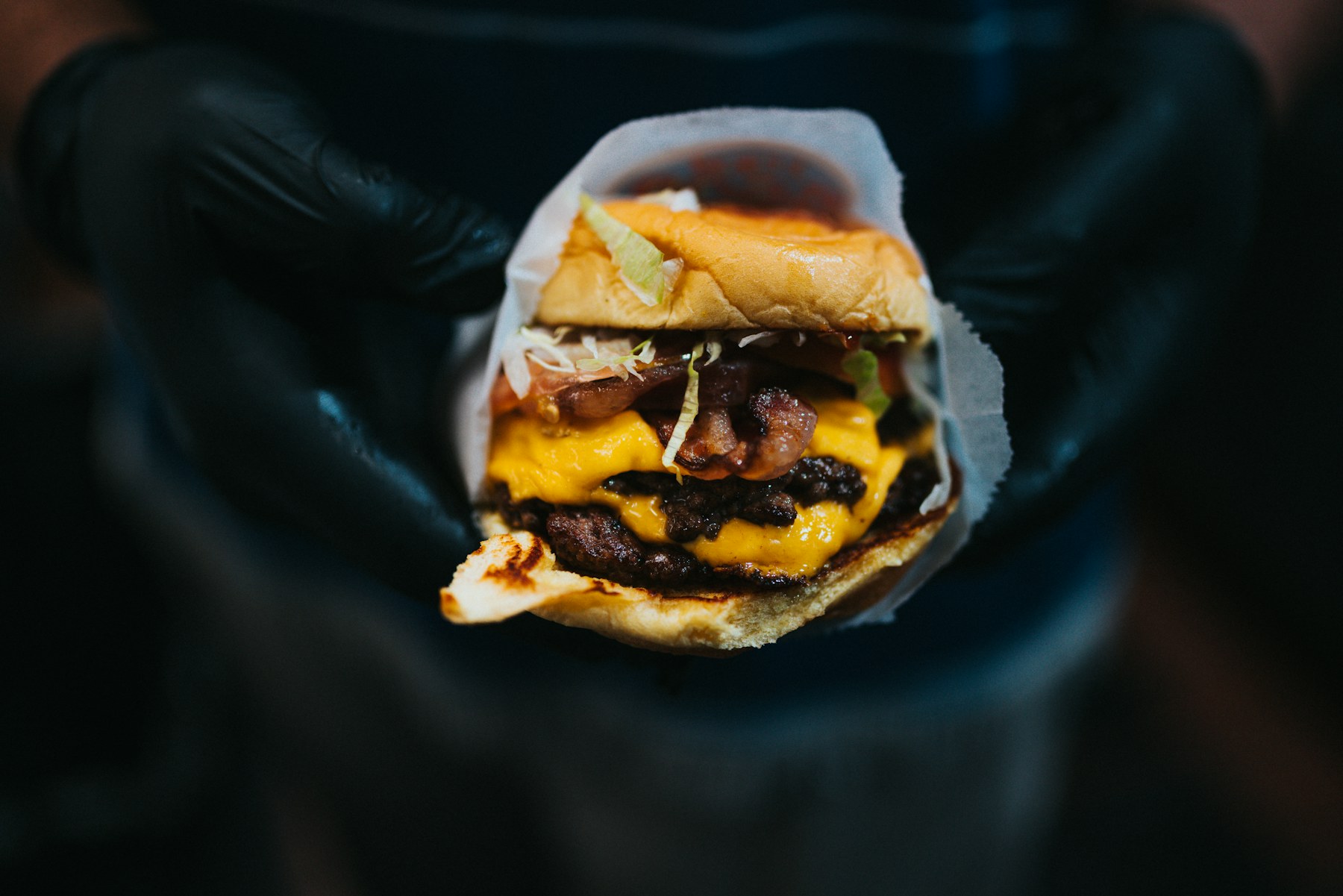
It can, which is why the cheese choice matters more on a ribeye sandwich than it would on a leaner one. Seven cheeses are on offer, and the useful principle is that a rich cut wants a cheese that cuts through rather than adds.
Provolone is slightly sharp and does that well. White American is milder and melts further into the filling. Cheese Whiz is the traditional Philadelphia answer and behaves more like a sauce than a cheese. All three work; a heavy hand with mozzarella on top of well-marbled beef is the combination that tends to flatten out.
The short version
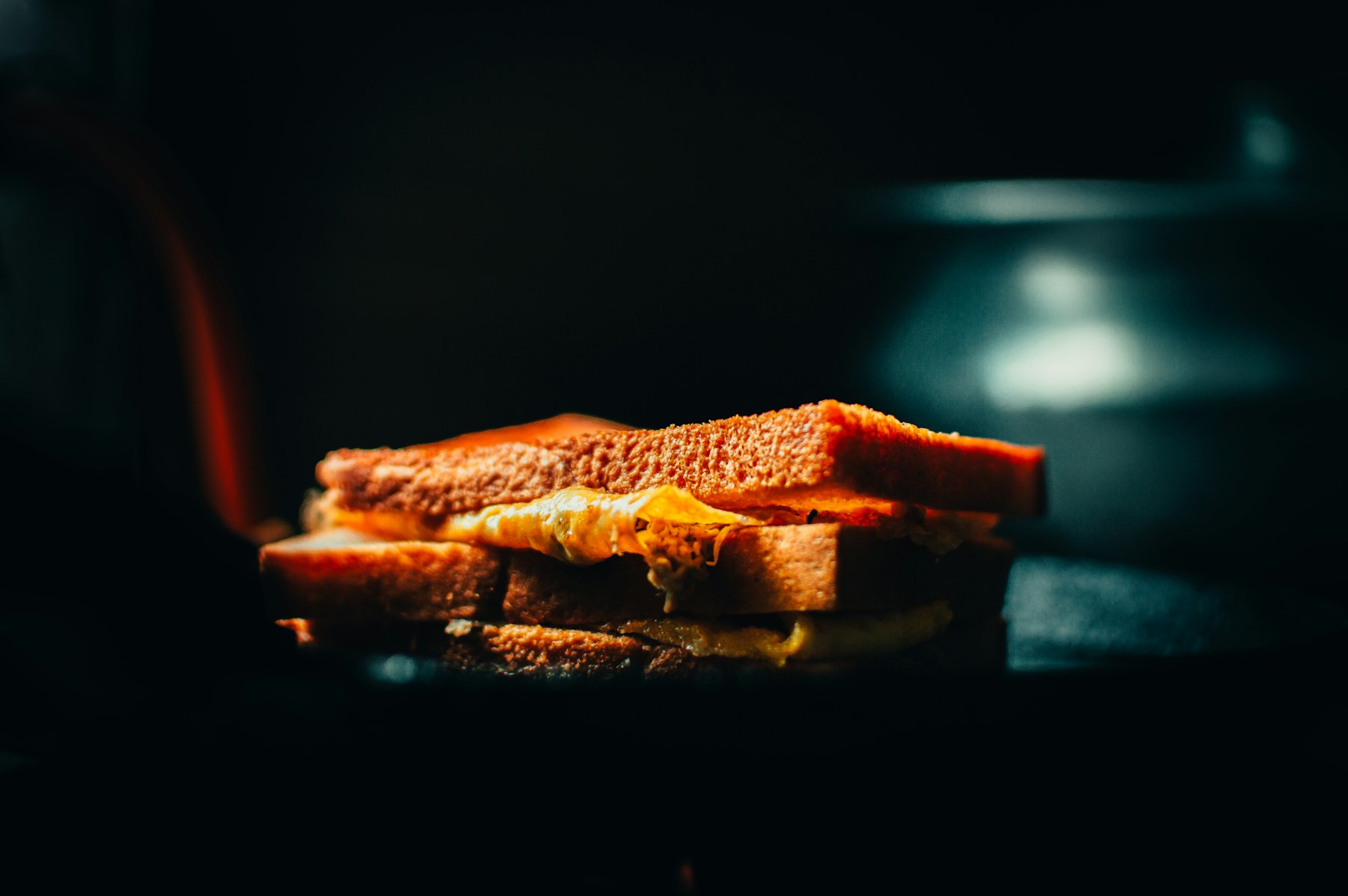
Ribeye comes from a part of the animal that does little work, so it is tender, and it is heavily marbled, so it renders fat into everything around it on the griddle. Thin slicing and a marbled cut are a matched pair — neither works without the other. It is the base of all nine builds on the Philly menu.
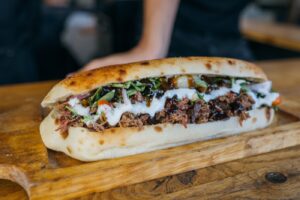
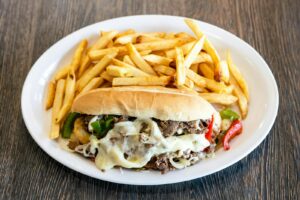
Ribeye, nine ways
Every Philly starts from the same cut, sliced fresh.
Frequently asked questions
What cut of beef is in a cheesesteak?
Ribeye, sliced thin. It comes from the rib section, which does little work, so it is tender and heavily marbled.
What does marbling mean?
Fat running through the muscle in fine threads rather than sitting around the edge. On a griddle it melts into the onions, cheese and roll.
Why is the meat sliced so thin?
So it cooks in seconds without toughening, and so more of it touches the griddle, which is where browning and flavour come from.
Is chicken a downgrade from ribeye?
No, a different sandwich. With almost no fat to render it tastes cleaner and lets the peppers, sauce and cheese through.
Which cheese goes best with ribeye?
Provolone, which is slightly sharp and cuts through the richness. White American melts further in, and Cheese Whiz is the traditional choice.
More From the Kitchen